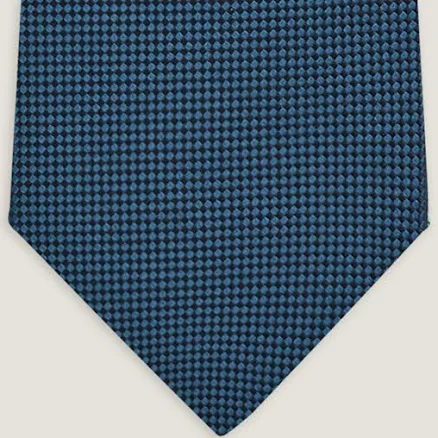
Hermès Saint- Honore Tie
Lower PFAS concern for untreated silk necktie; Hermès makes no water-repellent coating or stain-resist claims.
This silk twill necktie shows no disclosed water-repellent, stain-resistant, or Teflon-family coating treatments. Hermès does not publicly disclose PFAS use in this product line.
The better-graded swap
Hermès
H-mors Twillbi Tie 7cm
85/100 safety
Same rubric that flunked this product. The swap earned Excellent.
Still want this one anyway? Check the price on Amazon. We’d swap it.
Material
Silk twill
Brand disclosure
Brand is silent on PFAS
Lab data
No public lab test
You may also be interested in
Top-graded picks in the categories readers replace first, every one scored on the same rubric.

- polypropylene filter housing, carbon/sediment cartridge
- We found no PFAS statement from the brand
- Bacterial growth in spent cartridges
3 hazards checked on this product, all on its full breakdown.

Aquasure
Premier Series 75 GPD Under Sink Reverse Osmosis Water Filtration System
- RO membrane, carbon filters, stainless steel housing
- We found no PFAS statement from the brand
- Bacterial and microbial growth in housing and filters
4 hazards checked on this product, all on its full breakdown.

Avocado
Vegan Mattress
- organic cotton, natural latex, coconut coir, recycled steel coils
- The brand calls it PFAS-free, which we have not verified
- Heavy metals
2 hazards checked on this product, all on its full breakdown.
What Hermès Saint- Honore Tie is made of, ingredients and materials
Hermès Saint-Honoré ties are silk twill, a tightly woven fabric that resists fraying and wrinkles without chemical finishes. Silk itself is a natural protein fiber with low chemical burden compared to synthetics. Twill weave provides durability without reliance on stain-resistance or water-repellent coatings that would introduce PFAS or other surface treatments. The absence of synthetic fibers or marketed performance features means fewer processing chemicals overall.
What’s concerning
Category baseline
The starting point for this type of product, before anything specific to this product is counted.
No PFAS disclosure
No public statement from the brand about PFAS in this product.
Heavy metals
Silk dyes may contain trace heavy metals (lead, cadmium, chromium) if sourced from uncontrolled suppliers. Hermès' luxury positioning and EU manufacturing reduce but do not eliminate this risk; no independent testing published for this product line.
Source, FDA ↗What’s reassuring
Base material not linked to PFAS
The main material recorded for this product is not one associated with PFAS.
Azo dyes and synthetic dye hazards
Silk ties use acid dyes rather than azo dyes; no reports of banned azo dye carcinogens in Hermès silk neckwear. Hermès production standards and price point suggest regulated dye suppliers.
Formaldehyde / VOCs
Silk twill does not require formaldehyde-based wrinkle-resistance or shrink-control finishes. Natural silk properties obviate need for these chemical treatments.
Source, ATSDR ↗Fragrance allergens (if scented finishing applied)
Hermès silk ties show no evidence of fragrance or scent-finish treatment. Natural silk smell is faint and from the fiber itself.
Antimony in polyester (not applicable to this product)
100% silk construction eliminates antimony catalyst risk present in synthetic polyester neckties.
How is this PFAS grade calculated?
The brand's record and disclosure
Hermès does not publicly disclose detailed chemical testing or certifications for individual accessories. The brand maintains silent stance on PFAS despite producing textiles across apparel and home categories. However, Hermès' luxury positioning and manufacturing standards (primarily produced in Europe) suggest tighter quality control than mass-market neckties. No established recalls, dye hazard reports, or formaldehyde contamination cases are on record for Hermès silk ties.
How it compares in its category
Silk neckties occupy a lower-risk tier than synthetic (polyester, nylon) alternatives, which may contain antimony catalysts or azo dyes. Untreated silk ties avoid the water-repellent coating (water-repellent coating) finishes common in performance or casual neckwear. Hermès silk ties are indistinguishable in chemical hazard profile from other high-end silk necktie makers (Hermès, Gucci, Tom Ford) that do not market stain or water resistance.
If you buy it
Dry-clean only, as recommended on care labels; water and home washing risk color bleeding if dyes are not fully set. Store away from direct sunlight to prevent UV fading (natural dye instability, not a safety issue). Inspect seams and fabric annually for fraying or wear; neckties have indefinite functional lifespan with proper care. No heat exposure or chemical solvents needed beyond professional dry cleaning; home ironing on low-silk setting poses lower concern if necessary.
What is not known about PFAS in this product?
- Basis
- Model estimate, 72% confidence, not a lab result
- Lab test
- None on record for this exact product
- Brand statement
- Hermès has made none
Formulations change between production runs, so check the current label. How we grade.
What are the PFAS-free alternatives to Hermès Saint- Honore Tie?
- silk twill
- We found no PFAS statement from the brand
- Heavy metals
5 hazards checked on this product, all on its full breakdown.
- metal, twill textile blend
- We found no PFAS statement from the brand
- Metal hardware leaching (tie clip or bar)
2 hazards checked on this product, all on its full breakdown.
- Silk twill, 7cm width necktie
- We found no PFAS statement from the brand
- Dye migration or crocking during wear or washing
More neckties grades
How we score, every product runs through the same public 0-100 rubric based on materials, coatings, brand disclosure, lab findings, and recalls. See the full methodology → Spotted a mistake? Report an error.