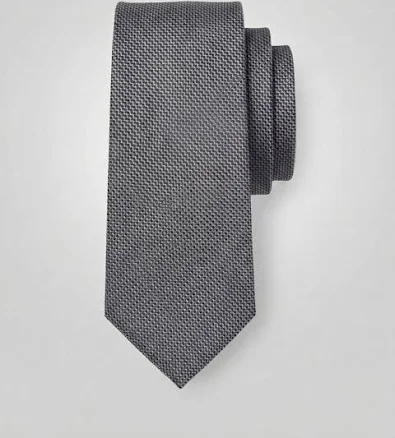
Perry Ellis Men's Paddon Micro Slim Necktie
Lower PFAS concern for untreated silk necktie; no evidence of water-repellent coating or stain-resist coating.
This silk or silk-blend necktie shows no claimed water or stain treatment typical of PFAS use. Perry Ellis provides no public PFAS disclosure or avoidance statement.
The better-graded swap
Hermès
Metal en Vrac Twillbi Tie
85/100 safety
Same rubric that flunked this product. The swap earned Excellent.
Still want this one anyway? Check the price on Amazon. We’d swap it.
Material
silk or silk-blend woven tie, no water/stain treatment claimed
Brand disclosure
Brand is silent on PFAS
Lab data
No public lab test
You may also be interested in
Top-graded picks in the categories readers replace first, every one scored on the same rubric.

- polypropylene filter housing, carbon/sediment cartridge
- We found no PFAS statement from the brand
- Bacterial growth in spent cartridges
3 hazards checked on this product, all on its full breakdown.

Aquasure
Premier Series 75 GPD Under Sink Reverse Osmosis Water Filtration System
- RO membrane, carbon filters, stainless steel housing
- We found no PFAS statement from the brand
- Bacterial and microbial growth in housing and filters
4 hazards checked on this product, all on its full breakdown.

Avocado
Vegan Mattress
- organic cotton, natural latex, coconut coir, recycled steel coils
- The brand calls it PFAS-free, which we have not verified
- Heavy metals
2 hazards checked on this product, all on its full breakdown.
What Perry Ellis Men's Paddon Slim Necktie is made of, ingredients and materials
Perry Ellis Paddon ties are woven from silk or silk-blend fibers without applied water or stain resistance coatings. Silk is a protein fiber that does not leach synthetic chemicals when worn or dry-cleaned under normal conditions. The weave structure and pigment-based dyes used in neckties are the primary exposure pathway, not the fiber itself.
What’s concerning
Category baseline
The starting point for this type of product, before anything specific to this product is counted.
No PFAS disclosure
No public statement from the brand about PFAS in this product.
Azo dyes and colorant toxicity
Silk neckties use acid and reactive dyes; some vintage and budget dye batches may contain azo compounds linked to amine release. No test data published for Perry Ellis ties specifically, but untreated silk poses lower risk than synthetic fibers with heavy dye loads.
Heavy metals
Dyes and pigments in colored silk can contain trace cadmium, lead, or chromium depending on dye chemistry and supplier. Perry Ellis does not disclose pigment sourcing or testing; risk is low in normal wear but nonzero in a tie worn daily at the neck.
Source, FDA ↗Fragrance allergens or dye transferability
Untreated silk may shed dye onto skin or clothing in early washes or with perspiration. Allergic contact dermatitis from dyes is rare but documented in sensitive individuals. Dry-cleaning helps lock in dyes; hand-washing increases minor bleed risk.
What’s reassuring
Base material not linked to PFAS
The main material recorded for this product is not one associated with PFAS.
Formaldehyde / VOCs
No evidence that this untreated necktie includes formaldehyde-based finish resins. Silk ties sold without water-repellent or wrinkle-resist claims typically skip this processing step, making residual formaldehyde unlikely.
Source, ATSDR ↗Coating degradation and fiber shedding
Silk without synthetic coatings does not degrade into microplastics. The weave may fray and shed short fibers over years of use, but this is normal wear and poses no chemical hazard.
How is this PFAS grade calculated?
The brand's record and disclosure
Perry Ellis does not publish detailed chemical disclosure or sustainability certifications for neckwear. No recalls or regulatory actions specific to this tie model are on record. The brand's parent company (BCBG Max Azria Group) has not issued public statements on formaldehyde resins or azo dye testing in accessories, leaving dye safety unverified but not contradicted.
How it compares in its category
Untreated silk neckties carry lower chemical risk than synthetic microfiber ties or those with water-repellent coating (water-repellent coating) coatings, which often contain PFAS. Premium silk ties without stain treatment avoid the antimony and formaldehyde resin burden of polyester blends. Perry Ellis sits in the mid-market segment where chemical transparency is inconsistent across the category.
If you buy it
Dry-clean this tie or hand-wash in cool water with mild detergent; avoid hot water and bleach. Store flat or loosely rolled to prevent permanent creasing. Do not expose to direct heat sources. Replace when the weave frays, the knot becomes permanently creased, or color fades noticeably. Inspect the tie regularly for loose threads or coating degradation.
What is not known about PFAS in this product?
- Basis
- Model estimate, 72% confidence, not a lab result
- Lab test
- None on record for this exact product
- Brand statement
- Perry Ellis has made none
Formulations change between production runs, so check the current label. How we grade.
What are the PFAS-free alternatives to Perry Ellis Men's Paddon Micro Slim Necktie?
- silk twill
- We found no PFAS statement from the brand
- Heavy metals
5 hazards checked on this product, all on its full breakdown.
- metal, twill textile blend
- We found no PFAS statement from the brand
- Metal hardware leaching (tie clip or bar)
2 hazards checked on this product, all on its full breakdown.
- Silk twill, 7cm width necktie
- We found no PFAS statement from the brand
- Dye migration or crocking during wear or washing
More neckties grades
How we score, every product runs through the same public 0-100 rubric based on materials, coatings, brand disclosure, lab findings, and recalls. See the full methodology → Spotted a mistake? Report an error.