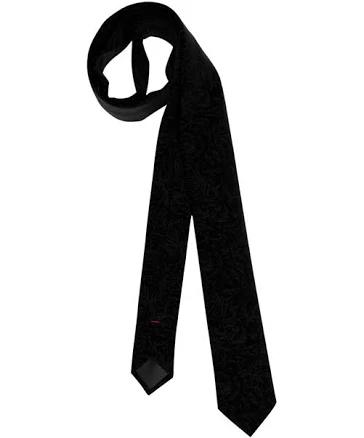
Boss Men's Skinny Tie
Lower concern; standard dress tie with no known water or stain treatment.
This polyester and silk blend necktie has no documented water-resistant or stain-resistant finish. Hugo Boss has not disclosed PFAS use or absence for this product.
The better-graded swap
Hermès
Metal en Vrac Twillbi Tie
85/100 safety
Same rubric that flunked this product. The swap earned Excellent.
Still want this one anyway? Check the price on Amazon. We’d swap it.
Material
Polyester/silk blend, no special coating disclosed
Brand disclosure
Brand is silent on PFAS
Lab data
No public lab test
You may also be interested in
Top-graded picks in the categories readers replace first, every one scored on the same rubric.

- polypropylene filter housing, carbon/sediment cartridge
- We found no PFAS statement from the brand
- Bacterial growth in spent cartridges
3 hazards checked on this product, all on its full breakdown.

Aquasure
Premier Series 75 GPD Under Sink Reverse Osmosis Water Filtration System
- RO membrane, carbon filters, stainless steel housing
- We found no PFAS statement from the brand
- Bacterial and microbial growth in housing and filters
4 hazards checked on this product, all on its full breakdown.

Avocado
Vegan Mattress
- organic cotton, natural latex, coconut coir, recycled steel coils
- The brand calls it PFAS-free, which we have not verified
- Heavy metals
2 hazards checked on this product, all on its full breakdown.
What Boss Men's Skinny Tie is made of, ingredients and materials
Boss's skinny tie is a polyester-silk blend, a common construction for dress neckwear that balances durability with drape. Polyester fibers are synthetic hydrocarbons that do not leach or degrade during normal wear. The silk component (if genuine) adds softness but introduces no additional chemical risk at the consumer end. No water-resistant, stain-guard, or flame-retardant coating is disclosed, which is typical and favorable for an unadorned dress tie.
What’s concerning
Category baseline
The starting point for this type of product, before anything specific to this product is counted.
No PFAS disclosure
No public statement from the brand about PFAS in this product.
Azo dyes and color fastness
Polyester-silk blended neckwear typically uses acid or dispersed dyes; some lower-cost formulations may employ azo dyes that can release amines under sweat and friction. Hugo Boss does not disclose dye chemistry for this product. No specific incidents or testing results are on record for this tie.
Formaldehyde / VOCs
Polyester-silk blends may be treated with formaldehyde-based resins to improve wrinkle resistance and color setting. Boss does not publicly disclose finishing agents. Direct skin contact is limited (neck area, brief wear), minimizing inhalation or dermal uptake risk, but off-gassing in new garments is theoretically present.
Source, ATSDR ↗Microplastic or fiber shedding
Polyester fibers can shed microscopically during washing and wear. A necktie worn daily will contribute trace fiber loss, though the total exposure is negligible compared to other polyester garments like shirts or pants. Silk content may reduce shedding compared to 100% polyester alternatives.
What’s reassuring
Base material not linked to PFAS
The main material recorded for this product is not one associated with PFAS.
Heavy metals
No public recalls, test data, or reports of heavy metal contamination (lead, cadmium, chromium) in Hugo Boss neckwear exist. Polyester and silk are not naturally associated with metal accumulation during dyeing at reputable manufacturers.
Source, FDA ↗Flame retardants
Neckties are not a regulated textile category for flammability; no flame retardant treatment is disclosed or typical for dress ties. This product carries no added chemical flame retardant burden.
Source, EPA ↗How is this PFAS grade calculated?
The brand's record and disclosure
Hugo Boss maintains a general corporate sustainability framework but has not published detailed chemical disclosure or independent certifications (such as Oeko-Tex) for individual apparel items as of publicly available records. The brand has no known recalls or controversies specific to necktie safety. Disclosure on textile-specific hazards like formaldehyde resins or azo dyes in this product line remains silent, which is standard practice in the dress-tie market but leaves independent verification unavailable.
How it compares in its category
Polyester-silk blend neckties are the mainstream standard; they offer better wrinkle recovery and color fastness than pure silk and cost less. Most competitors at this price and quality tier (mid-market dress neckwear) use identical or nearly identical fiber blends with no additional safety treatments. Boss's skinny tie sits squarely in category average; there is no meaningful chemical safety differentiation versus peers like Brooks Brothers, J.Crew, or Nordstrom house brands.
If you buy it
Neckties require minimal active care; dry cleaning is optional and extends life, but hand washing or spot cleaning with cool water works for minor soiling. Do not apply high heat (no steam pressing directly on the tie face). Replace if the knot area becomes permanently creased, the silk backing separates, or the fabric develops persistent odors. Storage in a cool, dry place away from direct sunlight prevents any dye fading but poses no safety hazard.
What is not known about PFAS in this product?
- Basis
- Model estimate, 72% confidence, not a lab result
- Lab test
- None on record for this exact product
- Brand statement
- Hugo Boss has made none
Formulations change between production runs, so check the current label. How we grade.
What are the PFAS-free alternatives to Boss Men's Skinny Tie?
- silk twill
- We found no PFAS statement from the brand
- Heavy metals
5 hazards checked on this product, all on its full breakdown.
- metal, twill textile blend
- We found no PFAS statement from the brand
- Metal hardware leaching (tie clip or bar)
2 hazards checked on this product, all on its full breakdown.
- Silk twill, 7cm width necktie
- We found no PFAS statement from the brand
- Dye migration or crocking during wear or washing
More neckties grades
How we score, every product runs through the same public 0-100 rubric based on materials, coatings, brand disclosure, lab findings, and recalls. See the full methodology → Spotted a mistake? Report an error.