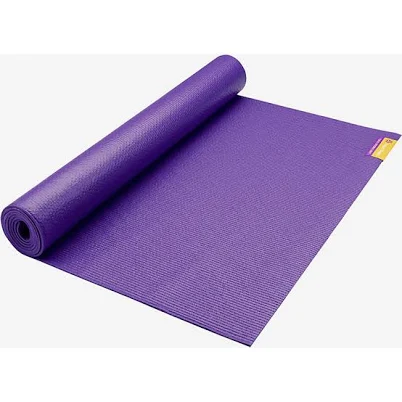
Hugger Mugger · Yoga & Exercise Mats
Hugger Mugger YOGA MAT 68
Lower concern yoga mat, but no PFAS disclosure from brand.
Hugger Mugger yoga mats typically use PVC foam and natural rubber, materials not inherently requiring PFAS. Brand provides no public PFAS statement, leaving uncertainty about any surface treatments or coatings applied.
We flunk more products than we pass. This one earned its grade. How we grade
Material
Closed-cell PVC foam base, natural rubber top surface
Brand disclosure
Brand is silent on PFAS
Lab data
No public lab test
You may also be interested in
Top-graded picks in the categories readers replace first, every one scored on the same rubric.

- polypropylene filter housing, carbon/sediment cartridge
- We found no PFAS statement from the brand
- Bacterial growth in spent cartridges
3 hazards checked on this product, all on its full breakdown.

Aquasure
Premier Series 75 GPD Under Sink Reverse Osmosis Water Filtration System
- RO membrane, carbon filters, stainless steel housing
- We found no PFAS statement from the brand
- Bacterial and microbial growth in housing and filters
4 hazards checked on this product, all on its full breakdown.

Avocado
Vegan Mattress
- organic cotton, natural latex, coconut coir, recycled steel coils
- The brand calls it PFAS-free, which we have not verified
- Heavy metals
2 hazards checked on this product, all on its full breakdown.
What Hugger Mugger YOGA MAT 68 is made of, ingredients and materials
The Hugger Mugger 68-inch mat combines a closed-cell PVC foam base with a natural rubber top layer. Closed-cell PVC foam is inherently non-absorbent and resists odor and bacterial growth better than open-cell alternatives, reducing microbiome concerns. Natural rubber provides grip without synthetic adhesives; the closed-cell structure below minimizes chemical leaching into skin contact areas during use.
What’s concerning
Category baseline
The starting point for this type of product, before anything specific to this product is counted.
No PFAS disclosure
No public statement from the brand about PFAS in this product.
Volatile Organic Compounds (VOC) off-gassing
New PVC foam mats may release trace VOCs during initial use. Airing the mat outdoors for 24-48 hours before first use and maintaining ventilation during practice can minimize inhalation exposure.
Microplastic shedding from foam degradation
Closed-cell PVC foam is less prone to microplastic release than open-cell foams, but surface wear and UV exposure can eventually fragment the material. This is a slow process with routine use and does not pose acute risk.
Mold and bacterial colonization
Natural rubber surface can support mold growth if the mat is stored wet or in high-humidity environments. Regular drying and dry storage prevent this risk; it is a maintenance issue rather than an inherent material hazard.
What’s reassuring
Base material not linked to PFAS
The main material recorded for this product is not one associated with PFAS.
Heavy metals
No documented cases of lead, cadmium, or other heavy metal contamination in Hugger Mugger yoga mats. Closed-cell PVC formulations for fitness products typically avoid toxic pigments, though the brand does not publish material safety data.
Source, FDA ↗Flame retardants
Standard yoga mats are not required to meet flame retardant standards, and no flame retardant chemicals have been reported in PVC foam yoga mat formulations. This hazard class is not applicable to this product category.
Source, EPA ↗How is this PFAS grade calculated?
The brand's record and disclosure
Hugger Mugger is a long-established yoga equipment manufacturer with no public safety recalls or regulatory actions documented for this product line. The brand has not disclosed PFAS mitigation strategies or third-party testing certifications (e.g., OEKO-TEX, Greenguard), which represents a transparency gap but not evidence of contamination. No formaldehyde, azo dye, or antimony concerns have been reported for this mat model in public databases.
How it compares in its category
PVC foam yoga mats occupy the mid-range of safety. They outperform cheaper rubber-blend mats (which may contain recycled tire compounds with heavy metals) and comparable TPE alternatives in durability and microplastic resistance. Natural rubber topings are generally preferred over synthetic polyurethane coatings because they avoid volatile organic compound (VOC) off-gassing, though natural rubber can carry mold growth risk if stored in damp conditions.
If you buy it
Store the mat in a dry, well-ventilated space and clean it regularly with mild soap and water to prevent bacterial and mold colonization, especially if used in humid environments. Avoid prolonged exposure to direct sunlight, which can degrade the natural rubber layer and cause surface cracking over time. Replace the mat if the top surface becomes visibly worn, tears appear, or grip diminishes (typically after 3-5 years of regular use). Do not use solvents or harsh chemicals that may degrade the foam base.
What is not known about PFAS in this product?
- Basis
- Model estimate, 72% confidence, not a lab result
- Lab test
- None on record for this exact product
- Brand statement
- Hugger Mugger has made none
Formulations change between production runs, so check the current label. How we grade.
What are the PFAS-free alternatives to Hugger Mugger YOGA MAT 68?
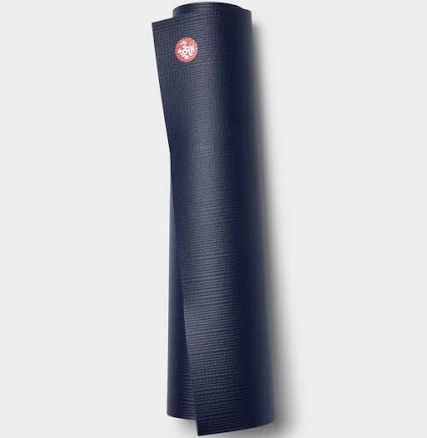
- closed-cell PVC-free foam, rubber top
- A third party reports verifying it as PFAS-free
- Formaldehyde / VOCs
3 hazards checked on this product, all on its full breakdown.
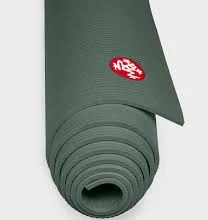
Manduka
Almost Perfect PROlite Yoga Mat
- Natural rubber and PVC, no Teflon-family coating
- A third party reports verifying it as PFAS-free
- Volatile organic compounds (VOCs) from natural rubber
More yoga & exercise mats grades
How we score, every product runs through the same public 0-100 rubric based on materials, coatings, brand disclosure, lab findings, and recalls. See the full methodology → Spotted a mistake? Report an error.