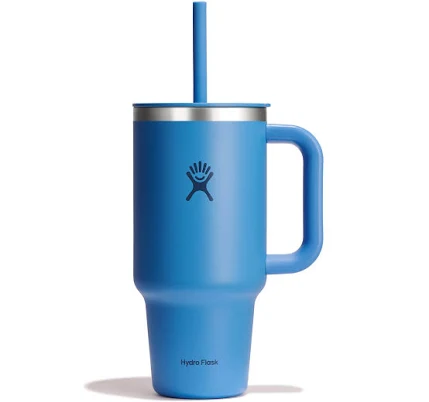
Hydro Flask · Insulated Travel Mugs
32 oz Travel Tumbler
Stainless steel body carries minimal PFAS risk.
Stainless steel with food-grade gasket seal. No PFAS disclosure available, lid seals may warrant verification but core material presents lower risk than coated alternatives.
The better-graded swap
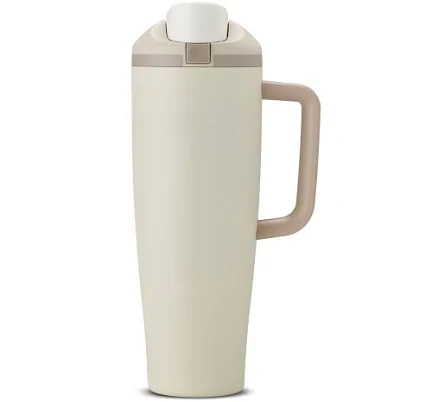
Owala
Owala FreeSip Stainless Steel Tumbler
80/100 safety
Same rubric that flunked this product. The swap earned Excellent.
Still want this one anyway? Check the price on Amazon. We’d swap it.
Material
Double-wall stainless steel, proprietary lid gasket
Lab data
No public lab test
What 32 oz Travel Tumbler is made of, ingredients and materials
The 32 oz Travel Tumbler uses food-grade 18/8 stainless steel (both inner and outer walls) with a vacuum seal between them, eliminating the leaching pathways that plague ceramic or non-stick coatings. The proprietary lid gasket is typically silicone-based, a thermally stable elastomer that does not off-gas or degrade at normal use temperatures. Stainless steel itself is chemically inert and does not shed lead, cadmium, or aluminum into beverages when intact. No non-stick or enamel coating means no Teflon-type coating fume risk or glaze degradation concerns inherent to other drinkware.
What’s concerning
No PFAS disclosure
No public statement from the brand about PFAS in this product.
Category baseline
The starting point for this type of product, before anything specific to this product is counted.
Silicone gasket degradation and bacterial growth
The proprietary lid gasket is not replaceable by the consumer according to most product literature, and silicone can accumulate mold, biofilm, or off-gas sulfurous compounds if not dried completely after washing. No field reports of this causing illness are on record, but maintenance is critical.
Lid housing material and manufacturing residues
Hydro Flask does not disclose the lid housing material (likely polypropylene or ABS plastic) or whether it undergoes cleaning after molding. No specific reports of off-gassing or migration, but the lack of transparency limits assessment.
What’s reassuring
Base material not linked to PFAS
The main material recorded for this product is not one associated with PFAS.
Stainless steel corrosion and leaching (chromium, nickel)
18/8 stainless steel is highly corrosion-resistant; leaching of chromium or nickel is negligible under normal beverage use. Risk arises only if the steel is damaged (dents, rust pitting) or exposed to acidic liquids (vinegar, citrus) for extended storage, which is not typical for this product.
Microplastic shedding from internal coatings
The double-wall stainless steel construction has no internal polymer coating, eliminating the microplastic risk present in plastic-lined or coated metal alternatives. Vacuum sealing keeps the walls completely separate.
Thermal runaway or lid seal failure under extreme heat
No documented failures of the vacuum seal or lid locking mechanism due to heat exposure are on public record. Standard use (room-temperature to 140F liquids) poses no known risk.
The full breakdown
The brand's record and disclosure
Hydro Flask has maintained a low-profile stance on PFAS and does not publish detailed material safety documentation or third-party certifications (NSF, California Prop 65 clearance) that some competitors provide. The brand has no documented recalls specific to chemical leaching or lid gasket failures affecting this product line. Hydro Flask is owned by Helen of Troy Limited and sells under a general lifestyle/durability brand positioning rather than a health-first transparency positioning, which may explain limited public disclosure.
How it compares in its category
Travel tumblers in this price range ($35-$50) often use stainless steel as the baseline, placing Hydro Flask at parity with competitors like YETI and Contigo on material safety. However, Hydro Flask does not publicly certify materials against NSF or BPA-free standards (though stainless steel is inherently BPA-free), while some competitors actively market such certifications. The vacuum-seal design is standard in this category and avoids the plastic-lined or coated alternatives that carry microplastics or degradation risks.
If you buy it
Inspect the silicone gasket on the lid before first use; replace it every 12-18 months or if visibly cracked, discolored, or smelly, as gaskets can harbor bacteria or off-gas faintly over time. Stainless steel is not a material linked to PFAS for hot and cold beverages and dishwasher-safe; do not submerge the lid mechanism excessively or expose it to extreme heat (above 140F for prolonged periods). If the inner or outer wall shows rust or pitting, discontinue use, though this is rare with 18/8 grade. Hand-wash the lid and gasket separately with mild soap to extend gasket life and prevent mold growth in crevices.
What we don’t know
- Basis
- Model estimate, 72% confidence, not a lab result
- Lab test
- None on record for this exact product
- Brand statement
- Hydro Flask has made a specific claim
Formulations change between production runs, so check the current label. How we grade.
Better-graded alternatives in Insulated Travel Mugs
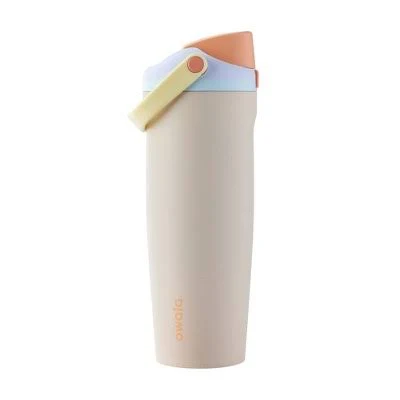
Owala
FreeSip Sway Stainless Steel
- Stainless steel body, no interior coating disclosed
- Silicone and plastic lid/valve leachables
3 hazards checked on this product. See all of them.
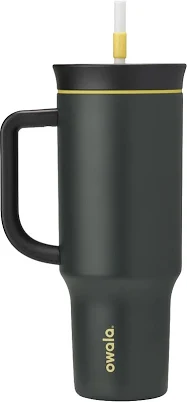
Owala
Stainless Steel Straw Tumbler Route 66
- Stainless steel tumbler, bare uncoated
- Coating degradation and microplastic shedding from exterior print
3 hazards checked on this product. See all of them.
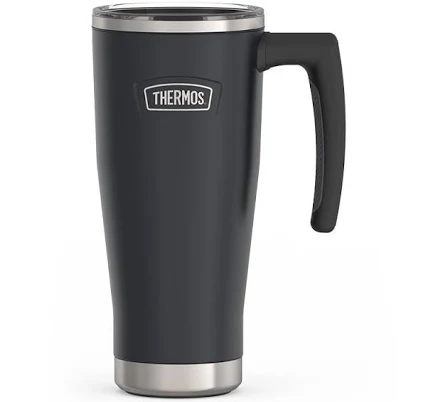
Thermos
18 oz. Icon Vacuum Insulated Stainless Steel Mug
- stainless steel exterior, vacuum insulation, stainless steel interior
- We found no PFAS statement from the brand
- Nickel leaching from stainless steel
3 hazards checked on this product. See all of them.
More insulated travel mugs grades
How we score, every product runs through the same public 0-100 rubric based on materials, coatings, brand disclosure, lab findings, and recalls. See the full methodology → Spotted a mistake? Report an error.