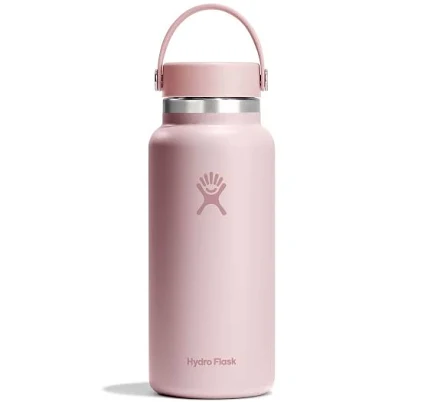
Hydro Flask 32 oz Wide Mouth Water Bottle
Lower PFAS concern for the core product; verify lid material if PFAS-sensitive.
Hydro Flask's 32 oz bottle uses food-grade stainless steel for the main vessel, which carries lower PFAS risk. The plastic lid and gasket materials are not publicly disclosed by the brand, and no lab testing or PFAS claims are available.
We flunk more products than we pass. This one earned its grade. How we grade
Material
Stainless steel body, plastic lid (unspecified polymer)
Lab data
No public lab test
What Hydro Flask 32 oz Wide Mouth Water Bottle is made of, ingredients and materials
The Hydro Flask 32 oz Wide Mouth uses a stainless steel double-wall body, which is chemically inert and does not leach metals or BPA into beverages. The lid is plastic (polymer type not publicly disclosed by Hydro Flask), which is the only potential exposure point in this product. Stainless steel construction eliminates the coating-degradation and metal-leaching risks common in ceramic-glazed or aluminum drinkware.
What’s concerning
No PFAS disclosure
No public statement from the brand about PFAS in this product.
BPA & bisphenols
Hydro Flask does not publicly specify the lid polymer type or confirm BPA/BPS absence. Exposure risk is low during normal use with cold or lukewarm water but increases if hot liquids are stored for extended periods. Requesting material specification from the manufacturer is advisable if BPA sensitivity is a concern.
Source, FDA ↗Microplastics
Unknown lid material (no public data on internal coating or polymer durability) means long-term microplastic shedding cannot be ruled out. Cracks or discoloration may indicate degradation; replacement cycles are prudent every 1-2 years of daily use.
Source, EPA ↗Bacterial growth in seal or lid gasket
The lid seal and gasket are potential sites for bacterial biofilm if not regularly cleaned. This is a use-maintenance hazard, not a product-material hazard; proper care eliminates it.
What’s reassuring
Bare uncoated material
Recorded as a bare, uncoated material with no surface coating or treatment.
Stainless steel nickel content
Hydro Flask's stainless steel bodies are food-grade and do not show documented nickel leaching under normal use. Nickel migration is rare from stainless steel bottles used for water storage at typical drinking temperatures.
Volatile organic compounds from lid assembly
No documented VOC off-gassing complaints or test results for Hydro Flask lids are available. Initial odor after unboxing is typical of new plastic and typically dissipates within days of use.
The full breakdown
The brand's record and disclosure
Hydro Flask does not publicly disclose material certifications, third-party testing, or specific polymer sourcing for the lid, which limits transparency. The brand has not faced major recalls or documented chemical-safety controversies in published records. No formal statement on PFAS avoidance or alternatives has been identified in available materials, representing a passive rather than proactive stance on emerging hazards.
How it compares in its category
In the reusable water bottle category, stainless steel construction places this product in a lower-risk tier compared to plastic-body bottles or unlined aluminum bottles. Glass-body alternatives (e.g., Lifefactory, S'well with certified lid materials) offer greater chemical transparency but trade durability. Most competitor brands in the stainless steel segment (Yeti, Contigo) similarly do not disclose lid polymer type, making Hydro Flask typical rather than exceptional in this regard.
If you buy it
Hand-wash the lid separately to prevent prolonged plastic contact with hot water or acidic liquids. Do not microwave or place in the dishwasher at temperatures above 140F, as heat may stress the lid seal or cause plastic off-gassing. Replace the lid if it shows cracks, discoloration, or odor development, as these indicate material breakdown. Clean the interior monthly with white vinegar if used for anything other than water to prevent bacterial biofilm on the steel walls.
What we don’t know
- Basis
- Model estimate, 72% confidence, not a lab result
- Lab test
- None on record for this exact product
- Brand statement
- Hydro Flask has made a specific claim
Formulations change between production runs, so check the current label. How we grade.
More water filters grades
How we score, every product runs through the same public 0-100 rubric based on materials, coatings, brand disclosure, lab findings, and recalls. See the full methodology → Spotted a mistake? Report an error.