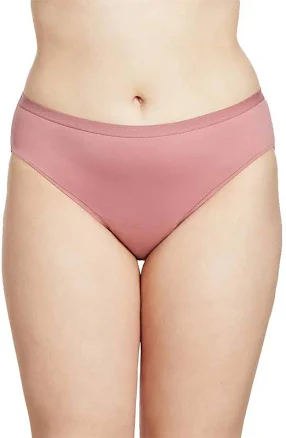
Icon Underwear · Period Underwear
Icon By Thinx Speax Bikini Women Ladies Underwear Bladder Moderate
Moderate bladder protection likely requires water-resistant treatment; coating chemistry unclear.
Thinx does not disclose PFAS or coating details for this product. Moderate absorbency underwear often uses water-repellent coating finishes that may contain PFAS, but brand transparency is absent here.
The better-graded swap

Aisle
Aisle Best-Selling Leakproof Period Boxer Brief - Essential Boxer Essential Boxer Eucalyptus / 2X
90/100 safety
Same rubric that flunked this product. The swap earned Excellent.
Still want this one anyway? Check the price on Amazon. We’d swap it.
Material
Fabric with moisture-wicking and waterproof coating
Brand disclosure
Brand is silent on PFAS
Lab data
No public lab test
You may also be interested in
Top-graded picks in the categories readers replace first, every one scored on the same rubric.

- polypropylene filter housing, carbon/sediment cartridge
- We found no PFAS statement from the brand
- Bacterial growth in spent cartridges
3 hazards checked on this product, all on its full breakdown.

Aquasure
Premier Series 75 GPD Under Sink Reverse Osmosis Water Filtration System
- RO membrane, carbon filters, stainless steel housing
- We found no PFAS statement from the brand
- Bacterial and microbial growth in housing and filters
4 hazards checked on this product, all on its full breakdown.

Avocado
Vegan Mattress
- organic cotton, natural latex, coconut coir, recycled steel coils
- The brand calls it PFAS-free, which we have not verified
- Heavy metals
2 hazards checked on this product, all on its full breakdown.
What Icon By Thinx Speax Bladder Moderate is made of, ingredients and materials
Icon Speax uses a fabric blend with moisture-wicking (likely polyester or nylon base) and an applied waterproof coating to contain fluid. The coating chemistry is not disclosed by the brand; waterproof textiles typically use either Teflon-family coating (Teflon-type coating-family) or polyurethane-based systems. For moderate bladder protection, the waterproof layer is essential, but its composition directly affects both durability and potential leachable chemistry. Without transparency, the specific resin system and any chemical hardeners or surfactants remain unknown.
What’s concerning
Waterproof / stain-resistant treatment
Water-repellent coating treatments have historically used PFAS.
Category baseline
The starting point for this type of product, before anything specific to this product is counted.
No PFAS disclosure
No public statement from the brand about PFAS in this product.
Waterproof coating leaching (Teflon-family coating or polyurethane-based)
Icon does not disclose the waterproof resin system. If Teflon-family coating-based, potential for PFAS or Teflon-type coating monomer shedding in sweat and moisture; if polyurethane, potential for unreacted isocyanate or plasticizer leaching, especially under prolonged skin contact and warm/damp conditions.
Coating microparticle shedding during washing
Waterproof textile coatings, particularly polyurethane and some Teflon-family coating, shed microparticles into wastewater with repeated laundering. Icon's coating durability and shedding profile are not tested publicly; typical lifespan of 1-2 years suggests moderate cumulative shedding.
Inadequate rinsing of residual coating chemicals
Manufacturing residues from waterproof coating application (unreacted monomers, catalysts, surfactants) may persist if initial processing and rinsing are insufficient. Icon does not specify manufacturing wash protocols or final residue testing.
What’s reassuring
Formaldehyde / VOCs
No formaldehyde-based dye fixers or wrinkle-resistant resins are documented for this product, but Icon does not publish finish specifications. Moisture-wicking fabrics sometimes use formaldehyde-releasing cross-linkers; risk is low but unverified.
Source, ATSDR ↗Heavy metals
No specific dye hazards are on record for Icon Speax, and the product appears to use neutral colors unlikely to require heavy-metal pigments. No independent testing or certification (e.g., Oeko-Tex) confirms absence of restricted azo compounds.
Source, FDA ↗How is this PFAS grade calculated?
The brand's record and disclosure
Icon Underwear has not publicly disclosed material certifications, coating chemistry, or PFAS testing status on this product line. The brand maintains a largely silent stance on hazardous substance policies, with no visible commitment to GOTS, Oeko-Tex, or similar textile safety standards. No major product recalls or independent test results are on record for this specific model. This lack of transparency is a notable gap for a product category where skin contact and moisture trapping create potential for leaching.
How it compares in its category
Moderate bladder-protection underwear sits between light-flow panty liners and heavy-flow briefs. Competitors (Knix, Thinx, Dear Kab) increasingly disclose waterproof coating systems and pursue third-party certification; Icon does not. Most category leaders now publish PFAS testing or commitments to reduce PFAS, making Icon's lack of public information on this topic a relative weakness. Price point is typically competitive, but lack of material transparency is less common among established direct-to-consumer brands in this space.
If you buy it
Wash in cold water before first use to reduce any residual coating-related offgassing. Machine wash cold with mild detergent; avoid fabric softeners and high heat, which can degrade waterproof coatings and potentially increase leaching. Inspect the coating for cracks, peeling, or discoloration every 6-12 months; discontinue use if the barrier is visibly compromised. Replace every 1-2 years or sooner if absorbency declines, as degraded coatings may shed microparticles into soil when laundered.
What is not known about PFAS in this product?
- Basis
- Model estimate, 35% confidence, not a lab result
- Lab test
- None on record for this exact product
- Brand statement
- Icon Underwear has made none
Formulations change between production runs, so check the current label. How we grade.
What are the PFAS-free alternatives to Icon By Thinx Speax Bikini Women Ladies Underwear Bladder Moderate?

- organic cotton, waterproof backing layer
- A third party reports verifying it as PFAS-free
- Coating degradation and microparticle shedding
2 hazards checked on this product, all on its full breakdown.
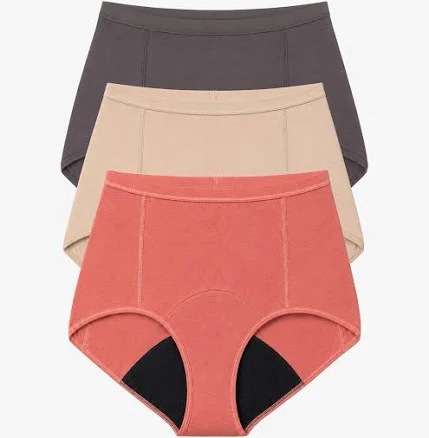
- organic cotton blend, water-resistant gusset
- The brand calls it PFAS-free, which we have not verified
- Microplastic shedding from water-resistant barrier

- Organic cotton, wood pulp fiber
- The brand calls it PFAS-free, which we have not verified
- Azo dyes and synthetic dyes
2 hazards checked on this product, all on its full breakdown.
More period underwear grades
How we score, every product runs through the same public 0-100 rubric based on materials, coatings, brand disclosure, lab findings, and recalls. See the full methodology → Spotted a mistake? Report an error.