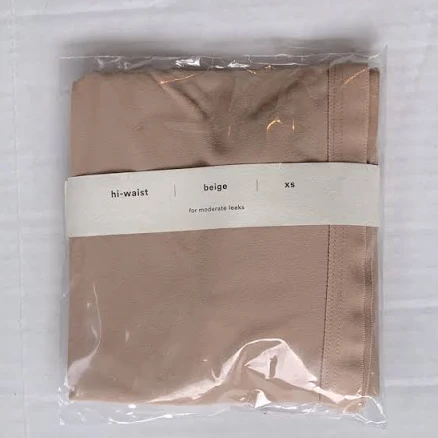
Icon Underwear · Period Underwear
Icon Intimates & Sleepwear Icon Undies Hi-Waist Period Underwear Panties Size Xs Beige (For Moderate Leaks)
Period underwear likely contains water-resistant coating; PFAS status unclear from brand.
Icon does not disclose PFAS or material treatment details. Moderate-leak period underwear typically uses water-repellent coating finishes that may contain PFAS, though some brands now use PFAS-free alternatives. No independent certification available.
The better-graded swap
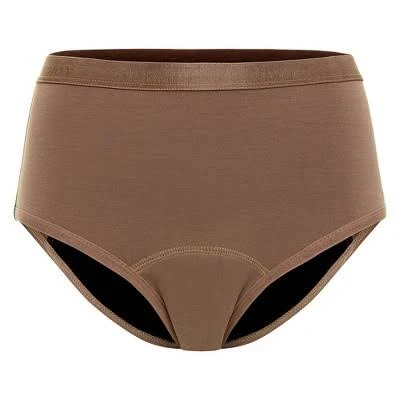
Lunam Hipster Brief Light Flow
100/100 safety
Same rubric that flunked this product. The swap earned Excellent.
Still want this one anyway? Check the price on Amazon. We’d swap it.
Material
Cotton blend with water-resistant treatment (likely water-repellent coating finish)
Brand disclosure
Brand is silent on PFAS
Lab data
No public lab test
You may also be interested in
Top-graded picks in the categories readers replace first, every one scored on the same rubric.

- polypropylene filter housing, carbon/sediment cartridge
- We found no PFAS statement from the brand
- Bacterial growth in spent cartridges
3 hazards checked on this product, all on its full breakdown.

Aquasure
Premier Series 75 GPD Under Sink Reverse Osmosis Water Filtration System
- RO membrane, carbon filters, stainless steel housing
- We found no PFAS statement from the brand
- Bacterial and microbial growth in housing and filters
4 hazards checked on this product, all on its full breakdown.

Avocado
Vegan Mattress
- organic cotton, natural latex, coconut coir, recycled steel coils
- The brand calls it PFAS-free, which we have not verified
- Heavy metals
2 hazards checked on this product, all on its full breakdown.
What Icon Intimates & Sleepwear Moderate Leaks) is made of, ingredients and materials
This product is a cotton-blend fabric with a water-resistant (likely water-repellent coating, or water-repellent coating) finish applied to create the leak-barrier function. water-repellent coating finishes historically used Teflon-type coating or fluorocarbon-based chemistry, though some manufacturers have shifted to fluorine-free alternatives; Icon's silence on this choice is the core concern. The absorbent layer underneath is typically cotton or a cotton-synthetic mix, which itself poses minimal chemical risk if not treated with formaldehyde resins or problematic dyes.
What’s concerning
Waterproof / stain-resistant treatment
Water-repellent coating treatments have historically used PFAS.
Category baseline
The starting point for this type of product, before anything specific to this product is counted.
No PFAS disclosure
No public statement from the brand about PFAS in this product.
Fluorocarbon-based water-resistant coating (water-repellent coating finish)
Water-resistant intimates almost certainly use a water-repellent coating finish; Icon does not disclose whether it is Teflon-type coating/fluorocarbon or fluorine-free. Fluorocarbon-based finishes are known persistent bioaccumulative substances, though dermal absorption from fabric is lower than ingestion risk.
Coating degradation and microfiber shedding over time
Water-repellent coating coatings degrade with washing and wear, potentially releasing microparticles. With frequent laundering typical of period underwear, coating breakdown is expected within 12 months, though risk to wearer is minor compared to environmental persistence of released PFAS.
What’s reassuring
Azo dyes in colored textile
No public record of Icon using problematic azo dyes or failing dyeing standards. Beige colorant is typically low-risk, but undisclosed material sourcing means compliance with textile dye safety limits (EU standard limits, formaldehyde) is unverified.
Formaldehyde / VOCs
Some cotton blends receive formaldehyde-based wrinkle-resist or antimicrobial finishes. Icon does not disclose whether a formaldehyde resin is present. This is distinct from the water-repellent coating and is typically low-concentration in intimate wear but unconfirmed here.
Source, ATSDR ↗Synthetic fiber component in blend
If the blend includes polyester or nylon, these materials present lower concern unless treated with antimony catalysts or flame retardants; neither is documented for Icon's products, and period underwear does not typically use flame retardants.
How is this PFAS grade calculated?
The brand's record and disclosure
Icon Underwear does not publicly disclose material sourcing, water-repellent coating chemistry, or chemical testing results on their website or product labels. No third-party certifications (Oeko-Tex, GOTS, bluesign) appear on this product. The brand has not published a stance on PFAS or fluorocarbon use. This silence is typical of smaller intimate-apparel brands but leaves consumers without transparency on the exact formulation of the water-resistant layer.
How it compares in its category
Period underwear as a category has exploded in recent years; competitors like Thinx, Knix, and Modibodi vary widely in transparency and material choice. Thinx faced lawsuits over PFAS concerns but has since published testing results and shifted formulations. Icon's lack of public testing or reformulation claims places it in the middle-to-lower transparency tier. Most period-underwear brands still use some form of water-resistant coating, making Icon not an outlier, but also not a leader in disclosure.
If you buy it
Wash in cold water and avoid fabric softeners or bleach, which can degrade the water-resistant coating and potentially mobilize any residual coating chemicals. Hang-dry or tumble-dry on low; high heat can degrade synthetic fibers and any finish. Replace every 6-12 months, as the coating degrades with wear and washing. If possible, request material specification or testing documentation from Icon before purchase; consumer pressure for transparency can drive brand accountability.
What is not known about PFAS in this product?
- Basis
- Model estimate, 45% confidence, not a lab result
- Lab test
- None on record for this exact product
- Brand statement
- Icon Underwear has made none
Formulations change between production runs, so check the current label. How we grade.
What are the PFAS-free alternatives to Icon Intimates & Sleepwear Icon Undies Hi-Waist Period Underwear Panties Size Xs Beige (For Moderate Leaks)?

- organic cotton, waterproof backing layer
- A third party reports verifying it as PFAS-free
- Coating degradation and microparticle shedding
2 hazards checked on this product, all on its full breakdown.
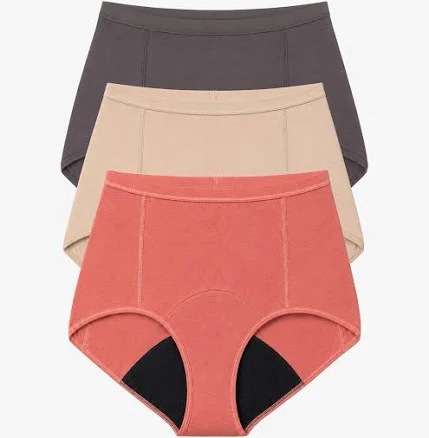
- organic cotton blend, water-resistant gusset
- The brand calls it PFAS-free, which we have not verified
- Microplastic shedding from water-resistant barrier

- Organic cotton, wood pulp fiber
- The brand calls it PFAS-free, which we have not verified
- Azo dyes and synthetic dyes
2 hazards checked on this product, all on its full breakdown.
More period underwear grades
How we score, every product runs through the same public 0-100 rubric based on materials, coatings, brand disclosure, lab findings, and recalls. See the full methodology → Spotted a mistake? Report an error.