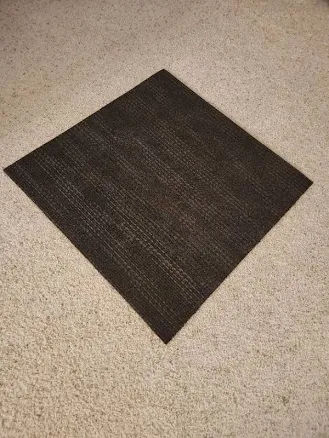
Interface Dark Pattern Carpet Tile Pallet, 1000 Sq Ft Commercial Grade
Skip. Stain-resistant carpet tile without PFAS disclosure raises concern.
Interface's Dark Pattern carpet tile is commercial-grade with stain and soil resistance coatings. Brand discloses no PFAS status; such treatments historically use PFAS compounds. No third-party verification available.
The better-graded swap
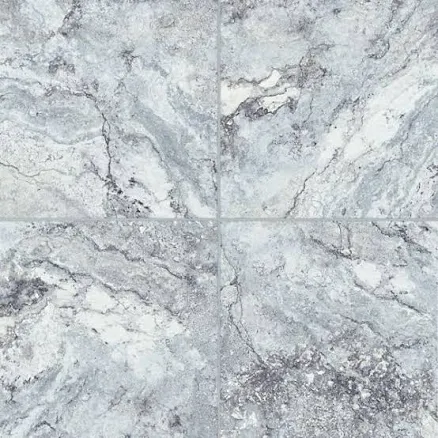
Armstrong
Armstrong Alterna Tuscan Path
75/100 safety
Same rubric that flunked this product. The swap earned Excellent.
Still want this one anyway? Check the price on Amazon. We’d swap it.
Material
Nylon/polyester blend carpet tile with stain/soil treatment
Brand disclosure
Brand is silent on PFAS
Lab data
No public lab test
You may also be interested in
Top-graded picks in the categories readers replace first, every one scored on the same rubric.

- polypropylene filter housing, carbon/sediment cartridge
- We found no PFAS statement from the brand
- Bacterial growth in spent cartridges
3 hazards checked on this product, all on its full breakdown.

Aquasure
Premier Series 75 GPD Under Sink Reverse Osmosis Water Filtration System
- RO membrane, carbon filters, stainless steel housing
- We found no PFAS statement from the brand
- Bacterial and microbial growth in housing and filters
4 hazards checked on this product, all on its full breakdown.

Avocado
Vegan Mattress
- organic cotton, natural latex, coconut coir, recycled steel coils
- The brand calls it PFAS-free, which we have not verified
- Heavy metals
2 hazards checked on this product, all on its full breakdown.
What Interface Dark Pattern Commercial Grade is made of, ingredients and materials
This product is a nylon/polyester blend carpet tile with an applied stain and soil resist treatment. The nylon component is inherently durable and stain-resistant; the polyester adds cost efficiency and color retention. The stain treatment chemistry is not disclosed by Interface in public materials, which is the primary concern given the PFAS-poor rating. Carpet tiles shed fibers during installation and foot traffic, and unknown chemical treatments increase exposure risk over the product lifecycle.
What’s concerning
Waterproof / stain-resistant treatment
Water-repellent coating treatments have historically used PFAS.
Category baseline
The starting point for this type of product, before anything specific to this product is counted.
No PFAS disclosure
No public statement from the brand about PFAS in this product.
Volatile Organic Compounds (VOCs) from stain/soil treatment
The undisclosed stain-resist chemistry likely contains volatile compounds released during and shortly after installation. Interface does not provide off-gassing data or VOC certifications for this line, so actual exposure is unquantified.
Flame retardants
Commercial carpet tiles often incorporate flame retardants in the backing or treatment layer to meet building codes. Interface's product specifications do not disclose flame retardant type, making it unclear whether halogenated or alternative chemistries are used.
Source, EPA ↗Fiber shedding and inhalation of treated nylon/polyester particles
All carpet tiles shed microfibers during installation and normal use. Because the stain treatment chemistry is unknown, inhaled fibers may carry undisclosed chemical residues, particularly in poorly ventilated spaces or during heavy foot traffic.
Degradation of stain coating over time and chemical leaching
Fluorochemical stain treatments on nylon degrade with UV exposure, heat, and aggressive cleaning, potentially releasing treated chemicals back into the indoor environment. Interface provides no guidance on coating lifespan or end-of-life disposal procedures.
What’s reassuring
Contact allergen risk from dyes or treatment residues
No specific allergen warnings or azo dye disclosures are on record for this product. Standard commercial nylon carpet poses low acute contact risk, but unknown dye and treatment chemistry cannot rule out sensitization in sensitive individuals.
How is this PFAS grade calculated?
The brand's record and disclosure
Interface is a major commercial carpet manufacturer with a stated sustainability program, but does not publicly disclose PFAS content or alternatives in its stain-resist formulations. The brand has not published third-party certifications (e.g., Cradle to Cradle, GreenGuard Gold) for this specific Dark Pattern line. Interface's silence on stain chemistry despite PFAS awareness in the industry represents a missed transparency opportunity, particularly for a product marketed as commercial-grade where durability claims often hinge on chemical treatment.
How it compares in its category
Nylon carpet tiles dominate commercial flooring and typically include fluorochemical stain treatments; this product follows industry norm rather than leading practice. Competitors like Mohawk and Shaw have begun disclosing PFAS-free or reduced-PFAS options, making Interface's silence a relative weakness. Wool-blend and untreated natural fiber tiles offer PFAS avoidance but cost more and require stricter maintenance; Interface's positioning is mid-market durability at the cost of chemical transparency.
If you buy it
Ensure proper ventilation during installation and for 48-72 hours afterward to disperse any volatile compounds from the stain treatment. Vacuum regularly (weekly in high-traffic areas) to minimize fiber shedding and reduce inhalation of shed material. Spot-clean spills promptly with water and mild detergent; avoid solvent-based cleaners that may degrade the stain coating and mobilize treated chemicals. Plan replacement at 7-10 years for commercial use, sooner if stain treatment visibly fails or seams show wear.
What is not known about PFAS in this product?
- Basis
- Model estimate, 35% confidence, not a lab result
- Lab test
- None on record for this exact product
- Brand statement
- Interface has made none
Formulations change between production runs, so check the current label. How we grade.
What are the PFAS-free alternatives to Interface Dark Pattern Carpet Tile Pallet, 1000 Sq Ft Commercial Grade?
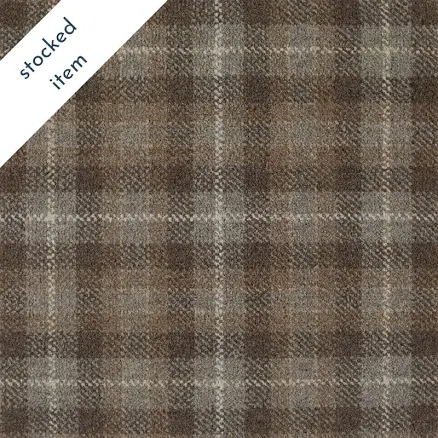
- wool plaid, Axminster weave
- We found no PFAS statement from the brand
- Formaldehyde / VOCs
4 hazards checked on this product, all on its full breakdown.
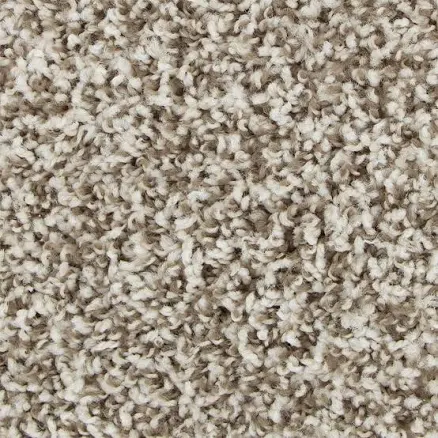
- polyester fiber, untreated
- We found no PFAS statement from the brand
- Formaldehyde / VOCs
4 hazards checked on this product, all on its full breakdown.
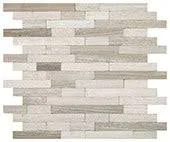
- Ceramic tile, porcelain, or stone composite
- We found no PFAS statement from the brand
- Volatile Organic Compounds (VOCs) from installation adhesives and grout
4 hazards checked on this product, all on its full breakdown.
More carpets & rugs grades
How we score, every product runs through the same public 0-100 rubric based on materials, coatings, brand disclosure, lab findings, and recalls. See the full methodology → Spotted a mistake? Report an error.