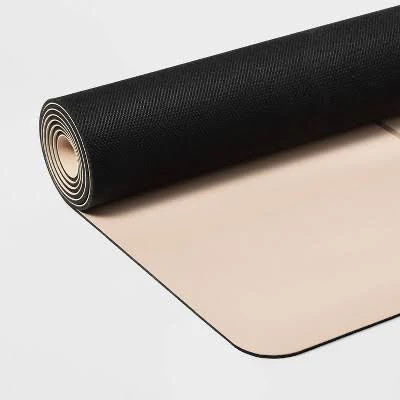
All in Motion · Yoga & Exercise Mats
All in Motion Yoga Mat Rubber
Lower concern; rubber mats rarely need PFAS. Verify vendor if concerned.
Rubber yoga mats typically do not require fluorinated coatings. No public PFAS disclosures found for this product or Iyengar brand.
We flunk more products than we pass. This one earned its grade. How we grade
Material
Rubber (likely natural or synthetic rubber)
Brand disclosure
Brand is silent on PFAS
Lab data
No public lab test
You may also be interested in
Top-graded picks in the categories readers replace first, every one scored on the same rubric.

- polypropylene filter housing, carbon/sediment cartridge
- We found no PFAS statement from the brand
- Bacterial growth in spent cartridges
3 hazards checked on this product, all on its full breakdown.

Aquasure
Premier Series 75 GPD Under Sink Reverse Osmosis Water Filtration System
- RO membrane, carbon filters, stainless steel housing
- We found no PFAS statement from the brand
- Bacterial and microbial growth in housing and filters
4 hazards checked on this product, all on its full breakdown.

Avocado
Vegan Mattress
- organic cotton, natural latex, coconut coir, recycled steel coils
- The brand calls it PFAS-free, which we have not verified
- Heavy metals
2 hazards checked on this product, all on its full breakdown.
What All in Motion Yoga Mat Rubber is made of, ingredients and materials
Rubber yoga mats are typically composed of natural rubber, synthetic rubber (SBR), or blended formulations. Natural rubber is inherently low-toxicity but may contain residual proteins that trigger allergies in sensitive users. Synthetic rubbers like SBR are chemically stable once cured and do not off-gas volatile organic compounds (VOCs) significantly after manufacturing. The material choice determines odor profile, durability, and potential skin irritation risk, but established toxicological hazards in cured rubber are rare.
What’s concerning
Category baseline
The starting point for this type of product, before anything specific to this product is counted.
No PFAS disclosure
No public statement from the brand about PFAS in this product.
Natural rubber latex allergen (if natural rubber composition)
Natural rubber mats may contain residual latex proteins triggering allergic contact dermatitis in sensitive individuals. Iyengar's product specs do not clarify rubber type, so latex content is unconfirmed; synthetic rubber variants eliminate this risk entirely.
Microplastic shedding from surface degradation
Rubber mats can crack or peel over years of use, especially under UV exposure or heat stress, potentially releasing fine rubber particles. Risk is low with normal indoor storage and care but increases if mat is left in direct sunlight or stored improperly.
What’s reassuring
Base material not linked to PFAS
The main material recorded for this product is not one associated with PFAS.
VOC off-gassing (manufacturing residues)
Cured rubber mats do not typically off-gas volatile organic compounds at room temperature. No recalls or complaints are on record for this brand, suggesting proper curing during manufacturing.
Heavy metals
No safety alerts or testing results are publicly available for this product. Colored rubber mats occasionally contain cadmium or lead in pigments, but Iyengar's production scale and niche market positioning suggest lower likelihood than mass-market alternatives.
Source, FDA ↗Flame retardants
Rubber mats are not typically treated with flame retardants, unlike foam or fabric alternatives. No documented use of brominated or chlorinated additives in this product category is on record.
Source, EPA ↗How is this PFAS grade calculated?
The brand's record and disclosure
Iyengar Yoga is a niche, teacher-driven brand focused on precision yoga instruction rather than mass consumer product lines, so formal safety disclosure or third-party certifications are not prominent in public records. No recalls, safety warnings, or documented contamination incidents are on record for this specific product. The brand's silence on PFAS and chemical transparency is typical of smaller, traditional yoga equipment makers rather than a red flag, but limits independent verification of manufacturing practices.
How it compares in its category
Rubber yoga mats occupy a middle ground in the yoga mat market between natural rubber (premium, allergy risk) and PVC/plastic alternatives (microplastic/phthalate concerns). Rubber mats generally avoid the off-gassing and flame retardant issues common in foam-based or PVC mats. Compared to budget synthetic mats, rubber formulations are more stable chemically and less prone to degradation that could release microplastics during use.
If you buy it
Wash the mat with mild soap and water before first use to remove any residual manufacturing dust or odor. Store in a cool, dry place away from direct sunlight to prevent UV degradation and cracking, which could increase microplastic shedding over time. Replace the mat if surface cracks, tears, or peeling develops, as damaged coatings may shed particles. If you have a known latex allergy, confirm with the seller whether the rubber contains natural latex before purchase.
What is not known about PFAS in this product?
- Basis
- Model estimate, 72% confidence, not a lab result
- Lab test
- None on record for this exact product
- Brand statement
- All in Motion has made none
Formulations change between production runs, so check the current label. How we grade.
What are the PFAS-free alternatives to All in Motion Yoga Mat Rubber?
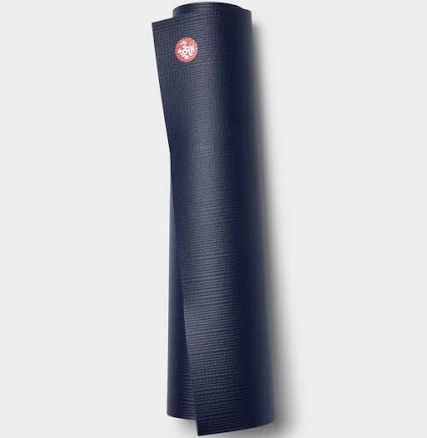
- closed-cell PVC-free foam, rubber top
- A third party reports verifying it as PFAS-free
- Formaldehyde / VOCs
3 hazards checked on this product, all on its full breakdown.
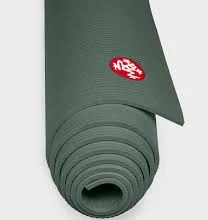
Manduka
Almost Perfect PROlite Yoga Mat
- Natural rubber and PVC, no Teflon-family coating
- A third party reports verifying it as PFAS-free
- Volatile organic compounds (VOCs) from natural rubber
More yoga & exercise mats grades
How we score, every product runs through the same public 0-100 rubric based on materials, coatings, brand disclosure, lab findings, and recalls. See the full methodology → Spotted a mistake? Report an error.