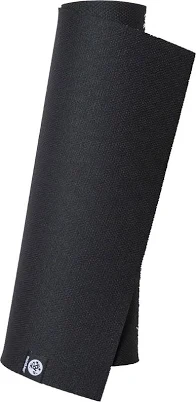
Manduka · Yoga & Exercise Mats
Manduka X Yoga Mat
Lower concern yoga mat; no PFAS signals but no verification either.
Manduka X uses PVC-free polyurethane-based materials without reported Teflon-family coating coatings. Brand makes no PFAS claims and third-party testing is absent.
We flunk more products than we pass. This one earned its grade. How we grade
Material
PVC-free polyurethane/natural rubber blend
Brand disclosure
Brand is silent on PFAS
Lab data
No public lab test
You may also be interested in
Top-graded picks in the categories readers replace first, every one scored on the same rubric.

- polypropylene filter housing, carbon/sediment cartridge
- We found no PFAS statement from the brand
- Bacterial growth in spent cartridges
3 hazards checked on this product, all on its full breakdown.

Aquasure
Premier Series 75 GPD Under Sink Reverse Osmosis Water Filtration System
- RO membrane, carbon filters, stainless steel housing
- We found no PFAS statement from the brand
- Bacterial and microbial growth in housing and filters
4 hazards checked on this product, all on its full breakdown.

Avocado
Vegan Mattress
- organic cotton, natural latex, coconut coir, recycled steel coils
- The brand calls it PFAS-free, which we have not verified
- Heavy metals
2 hazards checked on this product, all on its full breakdown.
What Manduka X Yoga Mat is made of, ingredients and materials
The Manduka X blends polyurethane (PU) and natural rubber, eliminating PVC which typically requires plasticizers and carries degradation risks. Polyurethane-rubber composites are inherently more chemically stable than PVC under normal body-temperature and moisture exposure. The natural rubber component adds durability and elasticity while reducing reliance on synthetic polymers alone. This formulation is designed to minimize off-gassing under typical indoor use conditions.
What’s concerning
Category baseline
The starting point for this type of product, before anything specific to this product is counted.
No PFAS disclosure
No public statement from the brand about PFAS in this product.
VOC off-gassing (polyurethane)
PU foams and coatings can release volatile organic compounds during manufacturing and curing. Initial off-gassing typically subsides within days to weeks; intensity depends on formulation and ventilation. Manduka does not publish VOC data, so baseline emissions are not verified.
Degradation and microparticle shedding
Rubber and polyurethane surfaces can degrade over years, shedding microscopic particles during use and cleaning. This is a normal wear mechanism for all yoga mats; risk is low in standard practice but increases with age and heavy use.
What’s reassuring
Base material not linked to PFAS
The main material recorded for this product is not one associated with PFAS.
Formaldehyde / VOCs
No public reports of formaldehyde in Manduka X mats. PU-rubber blends do not inherently require formaldehyde-based adhesives, but testing has not been disclosed; assume not a primary concern but unverified.
Source, ATSDR ↗Flame retardants
PVC-free polyurethane and natural rubber do not typically require halogenated flame retardants in yoga mat formulations. No evidence suggests this product contains such chemicals, and the material choice itself reduces that hazard class.
Source, EPA ↗Heavy metals
Manduka X is available in neutral colors (blue, purple, gray) which typically use low-risk dyes or pigments in polyurethane. No cadmium or lead contamination reports exist for this brand; risk is consistent with industry standard.
Source, FDA ↗How is this PFAS grade calculated?
The brand's record and disclosure
Manduka (under parent Iyengar Yoga) has positioned itself as an eco-conscious brand but maintains limited third-party certification transparency for chemical safety. The brand does not publicly advertise PFAS testing or results, though the material choice (PVC-free, natural rubber inclusion) suggests intentional avoidance of high-fluorine coatings. No major recalls or contamination incidents are on record for this product line. Certifications such as Oeko-Tex or similar chemical standard verification are not prominently documented for this specific mat.
How it compares in its category
Yoga mats span a wide range, rubber-only mats are generally lower off-gas risk but heavier; PVC mats are cheaper but carry phthalate and PFAS concerns; TPE (thermoplastic elastomer) mats offer middle ground but variable quality. The Manduka X's PVC-free polyurethane-rubber blend positions it above entry-level PVC alternatives and comparable to mid-tier rubber or TPE options in terms of chemical volatility. It lacks the prestige certifications of premium eco-brands but avoids known high-risk plasticizer profiles.
If you buy it
Store in a cool, dry location away from direct sunlight to slow polymer degradation and any residual volatile compound release. Air the mat outdoors or in ventilated space for the first 24-48 hours if initial smell is noticeable. Clean with mild soap and water; avoid harsh solvents that can degrade the rubber component. Replace if surface becomes tacky, peels, or shows visible breakdown, typically after 2-3 years of regular use depending on frequency and storage.
What is not known about PFAS in this product?
- Basis
- Model estimate, 72% confidence, not a lab result
- Lab test
- None on record for this exact product
- Brand statement
- Manduka has made none
Formulations change between production runs, so check the current label. How we grade.
What are the PFAS-free alternatives to Manduka X Yoga Mat?
- closed-cell PVC-free foam, rubber top
- A third party reports verifying it as PFAS-free
- Formaldehyde / VOCs
3 hazards checked on this product, all on its full breakdown.
Manduka
Almost Perfect PROlite Yoga Mat
- Natural rubber and PVC, no Teflon-family coating
- A third party reports verifying it as PFAS-free
- Volatile organic compounds (VOCs) from natural rubber
More yoga & exercise mats grades
How we score, every product runs through the same public 0-100 rubric based on materials, coatings, brand disclosure, lab findings, and recalls. See the full methodology → Spotted a mistake? Report an error.