J.Crew · Stain-Resistant Blazers & Suits
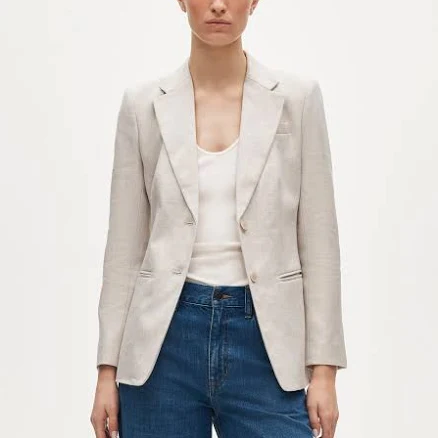
J.Crew Women's Tall Margeaux Stretch Linen Blend Blazer
Lower concern. Uncoated natural fiber blend, no known PFAS triggers.
This linen-cotton blend lacks water-resistant or stain-resistant treatment. J.Crew makes no PFAS claims, though natural fibers alone carry lower risk than treated textiles.
Still want this one anyway? Check the price on Amazon. We’d swap it.
Material
linen blend (linen/cotton mix, no identified coating)
Brand disclosure
Brand is silent on PFAS
Lab data
No public lab test
You may also be interested in
Top-graded picks in the categories readers replace first, every one scored on the same rubric.

- polypropylene filter housing, carbon/sediment cartridge
- We found no PFAS statement from the brand
- Bacterial growth in spent cartridges
3 hazards checked on this product, all on its full breakdown.

Aquasure
Premier Series 75 GPD Under Sink Reverse Osmosis Water Filtration System
- RO membrane, carbon filters, stainless steel housing
- We found no PFAS statement from the brand
- Bacterial and microbial growth in housing and filters
4 hazards checked on this product, all on its full breakdown.

Avocado
Vegan Mattress
- organic cotton, natural latex, coconut coir, recycled steel coils
- The brand calls it PFAS-free, which we have not verified
- Heavy metals
2 hazards checked on this product, all on its full breakdown.
What J.Crew Women's Tall Margeaux Blend Blazer is made of, ingredients and materials
This blazer is a linen/cotton blend without applied coatings, dyes, or finishes that typically introduce chemical risk. Linen and cotton are cellulose fibers that do not inherently leach toxic substances into skin or wash water. The blend construction suggests the linen provides wrinkle resistance and structure while cotton adds breathability and softness, a low-chemical approach compared to synthetic blends or heavily finished fabrics.
What’s concerning
Category baseline
The starting point for this type of product, before anything specific to this product is counted.
No PFAS disclosure
No public statement from the brand about PFAS in this product.
Heavy metals
All dyed textiles carry theoretical azo-dye and heavy-metal pigment risk if sourced from unregulated suppliers. J.Crew does not publicly disclose dye-source vetting, but no specific safety issues are documented for this product line.
Source, FDA ↗Skin sensitization or allergic reaction to dyes or finishes
Any dyed textile carries a small risk of contact dermatitis in sensitive individuals. Pre-wash or spot-testing is prudent for those with known dye sensitivities, though J.Crew blazers are not flagged as problematic in this regard.
What’s reassuring
Base material not linked to PFAS
The main material recorded for this product is not one associated with PFAS.
Formaldehyde / VOCs
Uncoated linen-cotton blends do not require formaldehyde-releasing finishes. No recalls or complaints on record for J.Crew tailored basics in this material class.
Source, ATSDR ↗Antimony in polyester or synthetic components
This is a linen-cotton blend with no identified polyester; antimony risk is not applicable to this product.
Flame retardants
Linen-cotton blazers do not typically require flame-retardant finishing. No application of brominated or phosphorus-based retardants is evident in the material description or brand practice for this category.
Source, EPA ↗How is this PFAS grade calculated?
The brand's record and disclosure
J.Crew does not maintain a public chemical disclosure or restricted substances list comparable to fast-fashion competitors like H&M or Zara. The brand has no documented major textile chemical safety recalls or public complaints linking their apparel to formaldehyde, heavy metals, or azo dye issues in recent years. Absence of disclosure is not a red flag for this specific product, given the material class, but reflects J.Crew's limited transparency rather than exceptional safety commitment.
How it compares in its category
Uncoated natural-fiber blazers sit in the lower-risk tier of tailored wear. Synthetic blazers (polyester blends) and those with water-resistant or wrinkle-free coatings carry higher PFAS and flame-retardant exposure; linen blends avoid those trade-offs. This product is representative of conventional tailored apparel with no identified coating or chemical engineering linked to PFAS concerns.
If you buy it
Wash in warm water with standard detergent; linen wrinkles naturally and do not require chemical finishing sprays or heavy pressing. No known heat limits apply. Inspect seams and dyes for color bleeding in first wash if concerned about dye migration, though azo-dye issues are not documented for J.Crew basics. Standard garment lifespan and care apply; no special precautions needed.
What is not known about PFAS in this product?
- Basis
- Model estimate, 72% confidence, not a lab result
- Lab test
- None on record for this exact product
- Brand statement
- J.Crew has made none
Formulations change between production runs, so check the current label. How we grade.
More stain-resistant blazers & suits grades
How we score, every product runs through the same public 0-100 rubric based on materials, coatings, brand disclosure, lab findings, and recalls. See the full methodology → Spotted a mistake? Report an error.