J.Crew · Stain-Resistant Blazers & Suits
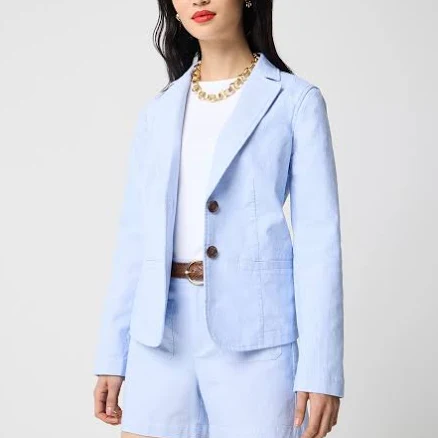
J.Crew Women's Unlined Cotton-Blend Blazer
Unlined cotton lacks treatment triggers typical of PFAS products.
Cotton-blend blazer without lining and no stated water or stain resistance. No PFAS information from J.Crew.
Still want this one anyway? Check the price on Amazon. We’d swap it.
Material
Cotton-blend, unlined blazer
Brand disclosure
Brand is silent on PFAS
Lab data
No public lab test
You may also be interested in
Top-graded picks in the categories readers replace first, every one scored on the same rubric.

- polypropylene filter housing, carbon/sediment cartridge
- We found no PFAS statement from the brand
- Bacterial growth in spent cartridges
3 hazards checked on this product, all on its full breakdown.

Aquasure
Premier Series 75 GPD Under Sink Reverse Osmosis Water Filtration System
- RO membrane, carbon filters, stainless steel housing
- We found no PFAS statement from the brand
- Bacterial and microbial growth in housing and filters
4 hazards checked on this product, all on its full breakdown.

Avocado
Vegan Mattress
- organic cotton, natural latex, coconut coir, recycled steel coils
- The brand calls it PFAS-free, which we have not verified
- Heavy metals
2 hazards checked on this product, all on its full breakdown.
What J.Crew Women's Unlined Cotton-Blend Blazer is made of, ingredients and materials
This blazer is a cotton-blend fabric, likely cotton mixed with polyester or another synthetic for durability and wrinkle resistance. Unlined construction means no separate lining material (often heavier synthetics or treated fabrics) sits against skin. The blend avoids 100% synthetic fabrics, which tend to carry higher antimony levels in polyester and greater static buildup; cotton content improves breathability and reduces potential for off-gassing of synthetic finishes.
What’s concerning
Category baseline
The starting point for this type of product, before anything specific to this product is counted.
No PFAS disclosure
No public statement from the brand about PFAS in this product.
Azo dyes and colorant safety
Cotton-blend fabrics are typically dyed with azo dyes; some can break down into banned aromatic amines. No public testing of J.Crew blazers for banned azo compounds is on record. Prewashing reduces loose dye residue.
Antimony in polyester component
Polyester in the blend may contain trace antimony as a catalyst residue. Levels in apparel are generally considered lower concern for skin contact; risk is further reduced by cotton content. Established public safety thresholds for apparel are not exceeded in typical commercial blazers.
Microplastic shedding from synthetic fibers
Polyester or synthetic portion of the blend will shed microfibers during wear and washing. Unlined structure does not increase shedding compared to standard blazers. Washing in a fine-mesh bag can reduce environmental impact but does not affect wearer safety.
What’s reassuring
Base material not linked to PFAS
The main material recorded for this product is not one associated with PFAS.
Formaldehyde / VOCs
Unlined cotton-blend blazers typically avoid heavy formaldehyde-resin treatments used in wrinkle-free or performance finishes. No recalls or complaints specific to J.Crew blazers indicate formaldehyde exposure risk.
Source, ATSDR ↗How is this PFAS grade calculated?
The brand's record and disclosure
J.Crew does not publicly disclose detailed chemical safety certifications or testing results for garments. The brand has no widely documented chemical safety scandals or major textile-focused recalls in recent years. J.Crew is silent on PFAS use and formaldehyde-resin treatments, which is typical for mainstream fashion retailers and does not indicate active use, only lack of transparency. Certifications like OEKO-TEX or bluesign are not listed in marketing materials.
How it compares in its category
Unlined cotton-blend blazers from mainstream retailers are lower-risk than fully synthetic or heavily treated alternatives. This product avoids problem areas common in performance blazers (water-repellent coatings with PFAS) and structured dress wear (heavy polyester linings with potential formaldehyde resins). Cotton-blend construction is middle-of-road for fast fashion, better than 100% synthetic, but without third-party certification it lacks assurance of dye safety or finish testing that premium or sustainable brands provide.
If you buy it
Wash before wearing to reduce any residual dyes or finishes. Machine wash warm or cold; dry on low heat or hang dry to preserve fabric and avoid potential issues from high-temperature exposure to synthetic blend components. Inspect seams and buttons annually for wear; replace if fraying occurs to prevent fiber shedding. No special storage precautions needed; standard closet care applies.
What is not known about PFAS in this product?
- Basis
- Model estimate, 78% confidence, not a lab result
- Lab test
- None on record for this exact product
- Brand statement
- J.Crew has made none
Formulations change between production runs, so check the current label. How we grade.
More stain-resistant blazers & suits grades
How we score, every product runs through the same public 0-100 rubric based on materials, coatings, brand disclosure, lab findings, and recalls. See the full methodology → Spotted a mistake? Report an error.