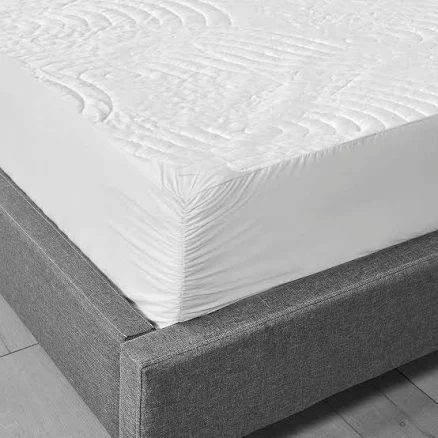
Sealy Clean Protection Waterproof Full Size Mattress Protector
Skip until Sealy discloses coating chemistry or secures third-party verification.
Clean Protection's waterproof layer remains chemically undefined by Sealy, leaving PFAS risk unquantified despite the coating's PFAS-typical purpose.
The better-graded swap
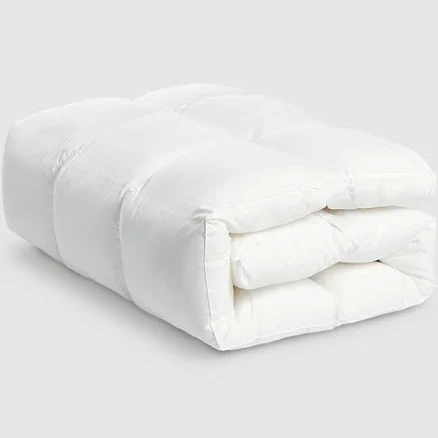
Coop Home Goods
Coop Sleep Goods Essence Down Alternative Mattress Topper
75/100 safety
Same rubric that flunked this product. The swap earned Excellent.
Still want this one anyway? Check the price on Amazon. We’d swap it.
Material
Polyurethane/polyester blend with waterproof coating (composition unspecified)
Brand disclosure
Brand is silent on PFAS
Lab data
No public lab test
Is Sealy Clean Protection Waterproof Full non-toxic? What it is made of
This protector combines polyester and polyurethane with an unspecified waterproof coating. Polyester itself is inert when intact, but the waterproof layer is the critical unknown, if it contains legacy fluorochemicals (PFAS) or other durable water repellents, it could off-gas or migrate into bedding over years. The polyurethane foam layer may also release volatile organic compounds (VOCs) during initial use, though typically in declining amounts over the first few weeks.
What’s concerning
Category baseline
The starting point for this type of product, before anything specific to this product is counted.
No PFAS disclosure
No public statement from the brand about PFAS in this product.
Waterproof / stain-resistant treatment
Water-repellent coating treatments have historically used PFAS.
PFAS
Sealy does not disclose whether this protector uses fluorinated durable water repellents, which are PFAS sources, or lower-concern alternatives. Off-gassing and long-term migration into bedding are plausible but unquantified.
Source, ATSDR ↗Polyurethane foam VOC off-gassing
Polyurethane layers commonly release volatile organic compounds (aldehydes, isocyanates) in the first weeks to months after production. Airing the protector before use and maintaining ventilation mitigates acute exposure.
Coating degradation over time
Waterproof coatings degrade with laundering, heat, and age. As the barrier breaks down, trapped moisture can promote mold or bacterial growth in the protector or beneath it if not replaced promptly.
Microplastic shedding from polyester weave
Polyester textiles shed microfibers when washed. While most remain in the washer, repeated laundering may eventually erode the protector integrity and contribute fibers to the household dust environment.
What’s reassuring
Formaldehyde / VOCs
Formaldehyde resins are occasionally used to finish polyester for wrinkle resistance or stiffness. No data on record for this specific Sealy product, but polyester apparel and textiles sometimes contain residual formaldehyde; inquiry with Sealy would clarify.
Source, ATSDR ↗The full breakdown
The brand's record and disclosure
Sealy is part of Tempur Sealy International and does not publicly disclose waterproof coating chemistry for this product line. The brand has not obtained third-party certifications (OEKO-TEX, GOTS, or GREENGUARD) that would warrant transparency on chemical inputs. No major recalls or contamination incidents specific to this protector model are on record, but the silence on PFAS use is a red flag in an industry where fluorinated coatings remain common.
How it compares in its category
Most mattress protectors use either Teflon-type coating-based coatings (known PFAS source), polyester microfilms (variable chemistry), or wax/silicone blends (generally lower concern). Sealy does not market this as PFAS-free or low-chemical, placing it in the middle-to-lower transparency tier of the market. Alternatives from brands like Naturepedic or Avocado explicitly avoid fluorochemicals, whereas budget options often match Sealy's opacity.
If you buy it
Air the protector in sunlight for 24-48 hours before first use to reduce off-gassing. Machine wash in cool water on gentle cycle; avoid high heat dryers, which can degrade polyurethane and potentially accelerate coating breakdown. Do not bleach or dry-clean. Replace if waterproofing visibly fails (seeping through seams or surface), as a compromised barrier may allow moisture and microbes to reach the mattress. Store in a dry, well-ventilated space.
What we don’t know
- Basis
- Model estimate, 55% confidence, not a lab result
- Lab test
- None on record for this exact product
- Brand statement
- Sealy has made none
Formulations change between production runs, so check the current label. How we grade.
Better-graded alternatives in Mattress Protectors
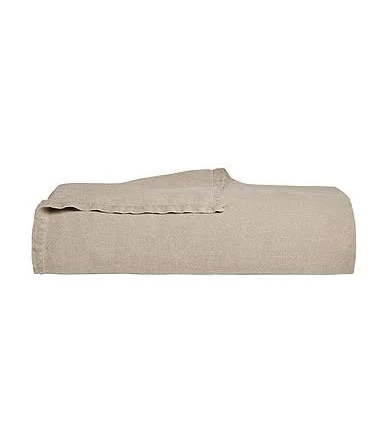
Parachute
Vintage Linen Bed Cover
- 100% linen, no reported coating
- We found no PFAS statement from the brand
- Heavy metals
3 hazards checked on this product. See all of them.
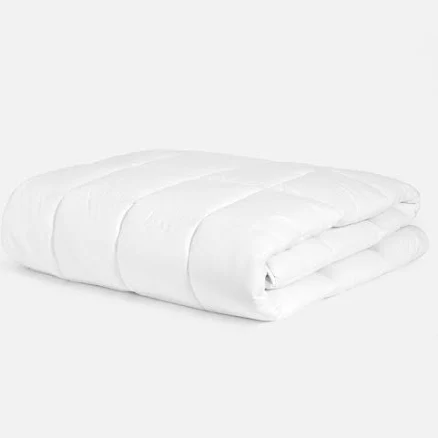
Brooklinen
Down Alternative Mattress Topper
- polyester down-alternative filling
- We found no PFAS statement from the brand
- Azo dyes and colorant migration
4 hazards checked on this product. See all of them.
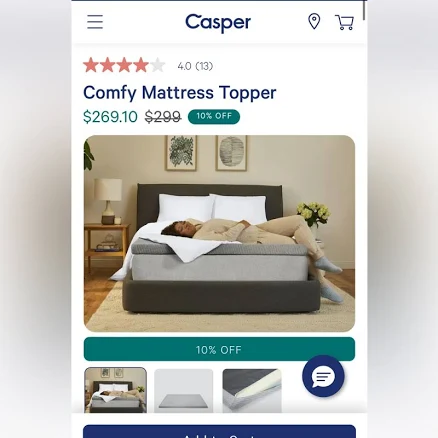
Casper
Sleep Comfy Mattress Topper
- Polyurethane foam, cotton/polyester blend cover
- We found no PFAS statement from the brand
- Volatile Organic Compound (VOC) off-gassing
3 hazards checked on this product. See all of them.
More mattress protectors grades
How we score, every product runs through the same public 0-100 rubric based on materials, coatings, brand disclosure, lab findings, and recalls. See the full methodology → Spotted a mistake? Report an error.