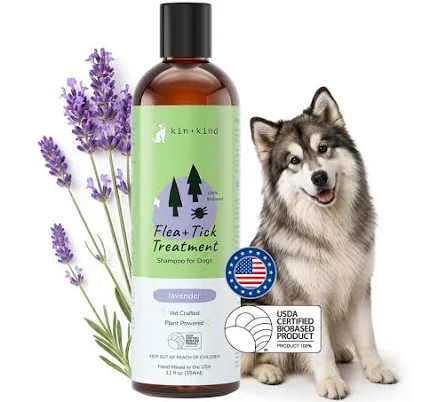
kin+Kind Flea/Tick Lavender Shampoo
Lower concern; pet shampoo with no known PFAS triggers, but no explicit brand commitment.
This water-based flea and tick shampoo lacks water-repellent, grease-resistant, or nonstick coatings that drive PFAS use in personal care. The brand offers no PFAS disclosure, and no third-party testing exists.
We flunk more products than we pass. This one earned its grade. How we grade
Material
Water-based shampoo concentrate; no known PFAS-bearing ingredients listed
Brand disclosure
Brand is silent on PFAS
Lab data
No public lab test
You may also be interested in
Top-graded picks in the categories readers replace first, every one scored on the same rubric.

- polypropylene filter housing, carbon/sediment cartridge
- We found no PFAS statement from the brand
- Bacterial growth in spent cartridges
3 hazards checked on this product, all on its full breakdown.

Aquasure
Premier Series 75 GPD Under Sink Reverse Osmosis Water Filtration System
- RO membrane, carbon filters, stainless steel housing
- We found no PFAS statement from the brand
- Bacterial and microbial growth in housing and filters
4 hazards checked on this product, all on its full breakdown.

Avocado
Vegan Mattress
- organic cotton, natural latex, coconut coir, recycled steel coils
- The brand calls it PFAS-free, which we have not verified
- Heavy metals
2 hazards checked on this product, all on its full breakdown.
What kin+Kind Flea/Tick Lavender Shampoo is made of, ingredients and materials
Kin+Kind Flea/Tick Lavender Shampoo is a water-based concentrate formulation designed for topical pet use. The active ingredients are likely natural or botanical extracts (lavender noted in name), not synthetic pyrethroids or organophosphates common in conventional flea treatments. Water-based formulations carry lower volatility risk than oil or alcohol-based concentrates, meaning less likelihood of inhalation exposure during application or storage.
What’s concerning
Category baseline
The starting point for this type of product, before anything specific to this product is counted.
No PFAS disclosure
No public statement from the brand about PFAS in this product.
Formaldehyde / VOCs
Water-based shampoo concentrates typically require preservatives to prevent bacterial and fungal growth. While no specific formaldehyde-releasing preservative (e.g., DMDM hydantoin, imidazolidinyl urea) is confirmed in the product, these are common in the category. Check ingredient label for DMDM hydantoin, diazolidinyl urea, or bronopol; if present, risk is low but relevant for sensitive pets.
Source, ATSDR ↗Fragrance/essential oil allergens (lavender noted)
Lavender essential oil is a known allergen and irritant in some individuals (both human and animal). Pet shampoos with essential oils carry risk of contact dermatitis, ear irritation if not rinsed thoroughly, or ingestion irritation if pet licks paws post-application. Risk is higher if concentrated; dilution reduces it but does not eliminate it.
Undisclosed botanical extract contaminants
Natural ingredient sourcing is not independently verified on public records. Botanical extracts can contain pesticide residues, heavy metals (if sourced from contaminated soil), or microbial contaminants if not adequately processed. Kin+Kind does not publish supplier or testing certifications for this product.
Microbial growth in concentrate (if mishandled)
Water-based concentrates are prone to bacterial and fungal colonization if diluted and stored improperly (e.g., in warm, humid bathrooms) or if opened repeatedly without proper sealing. Risk is manageable with proper storage but should be monitored, especially in humid climates.
What’s reassuring
Base material not linked to PFAS
The main material recorded for this product is not one associated with PFAS.
Packaging leachables (container material)
No specific packaging material or notable leaching issues are on record for Kin+Kind bottles. However, if the concentrate is stored in PET plastic, exposure to heat or sunlight over time could theoretically release trace amounts of acetaldehyde, though this is not an established concern for this product.
How is this PFAS grade calculated?
The brand's record and disclosure
Kin+Kind markets itself as a natural, eco-conscious pet care brand but does not publish detailed ingredient safety data sheets or third-party certifications (e.g., EWG Verified, Leaping Bunny) on this product. No known recalls or safety controversies are on record for this specific shampoo. The brand remains silent on PFAS use or commitment, which is typical for smaller natural pet brands but limits transparency.
How it compares in its category
Pet shampoos span a wide spectrum from synthetic pesticide-based treatments to botanical concentrates. This product sits in the natural/botanical segment, positioning it as a gentler alternative to chemical flea treatments; however, efficacy claims for natural ingredients are not established at the same level as prescription or OTC synthetic alternatives. Concentrate formulations require dilution, which reduces packaging waste compared to ready-to-use bottles, though disposal of empty containers depends on local recycling infrastructure.
If you buy it
Follow dilution instructions precisely; over-concentration may cause skin irritation in pets. Store the concentrate in a cool, dark place away from direct sunlight to preserve botanical ingredient potency and prevent degradation. Perform a patch test on a small area of your pet's skin before full-body application to rule out individual sensitivity or allergic reaction. Do not allow the product to contact eyes or be ingested; rinse thoroughly after application. Discard if the product separates, smells off, or shows signs of microbial growth.
What is not known about PFAS in this product?
- Basis
- Model estimate, 78% confidence, not a lab result
- Lab test
- None on record for this exact product
- Brand statement
- Kin+Kind has made none
Formulations change between production runs, so check the current label. How we grade.
More shampoo grades
How we score, every product runs through the same public 0-100 rubric based on materials, coatings, brand disclosure, lab findings, and recalls. See the full methodology → Spotted a mistake? Report an error.