King Arthur Baking · Parchment Paper & Baking Liners
Amazon.com : King Arthur, Pre-Cut Natural & Unbleached Baking Parchment Paper, Heavy Duty, Nonstick, Reusable, Resealabl
Lower concern; bare parchment unlikely to contain PFAS but no brand disclosure.
Natural, unbleached parchment paper is generally lower risk for PFAS than coated nonstick alternatives. No brand statement on PFAS found; traditional parchment does not require fluorinated treatments.
We flunk more products than we pass. This one earned its grade. How we grade
Material
unbleached parchment paper
Brand disclosure
Brand is silent on PFAS
Lab data
No public lab test
You may also be interested in
Top-graded picks in the categories readers replace first, every one scored on the same rubric.

- polypropylene filter housing, carbon/sediment cartridge
- We found no PFAS statement from the brand
- Bacterial growth in spent cartridges
3 hazards checked on this product, all on its full breakdown.

Aquasure
Premier Series 75 GPD Under Sink Reverse Osmosis Water Filtration System
- RO membrane, carbon filters, stainless steel housing
- We found no PFAS statement from the brand
- Bacterial and microbial growth in housing and filters
4 hazards checked on this product, all on its full breakdown.

Avocado
Vegan Mattress
- organic cotton, natural latex, coconut coir, recycled steel coils
- The brand calls it PFAS-free, which we have not verified
- Heavy metals
2 hazards checked on this product, all on its full breakdown.
What Amazon.com : King Arthur Resealabl is made of, ingredients and materials
King Arthur's parchment is cellulose paper treated with silicone to create a nonstick surface; unbleached means no chlorine-based whitening agents were used during manufacture. Parchment paper does not leach like plastics or coated metals because silicone is chemically inert at typical baking temperatures (up to ~420°F) and does not migrate into food under normal use. The material itself has no known concern for BPA, phthalates, or microplastics.
What’s concerning
Category baseline
The starting point for this type of product, before anything specific to this product is counted.
No PFAS disclosure
No public statement from the brand about PFAS in this product.
Silicone coating degradation at high heat
Silicone surface can break down above 420, 450°F, potentially shedding microparticles; this is more a functional failure than acute toxicity, but the product is not rated for oven broiler use or direct flame.
Bacterial or mold growth if stored wet
Cellulose paper can support microbial growth if stored in humid conditions or after contact with wet ingredients; this is a storage and handling issue, not inherent to the material.
What’s reassuring
Base material not linked to PFAS
The main material recorded for this product is not one associated with PFAS.
Chlorine residue in bleached parchment
This product is unbleached, so no chlorine-based whitening agents are present. Bleached parchment alternatives carry this concern; this product avoids it by design.
Mineral oil or wax contamination in pulp
No public record of mineral oil, wax, or recycled fiber contaminants in King Arthur or similar commodity unbleached parchment. Standard food-grade parchment uses virgin pulp or certified recycled fiber.
How is this PFAS grade calculated?
The brand's record and disclosure
King Arthur Baking Company does not publish specific PFAS testing or disclosure for this parchment product, which is standard industry silence rather than a red flag. The brand has no recorded recalls or safety controversies tied to this product line. No third-party certification (e.g., FDA clearance beyond baseline food-contact standards) is claimed, but parchment paper typically meets FDA food-contact material rules as a commodity item.
How it compares in its category
Unbleached parchment paper sits at the lower end of chemical concern compared to bleached parchment (which may retain chlorine residues) or plastic-coated alternatives (silicone-lined or Teflon-type coating). Reusability claims are marketing; parchment degrades with repeated use and should be discarded when it yellows, tears, or loses nonstick grip. Most competitors in this category offer similar unbleached formulations with no meaningful safety differentiation.
If you buy it
Use parchment below 420°F; do not use at broiler temperatures where silicone can degrade. Replace the sheet every 8-12 uses or when it becomes brittle or discolored. Store in a cool, dry place away from direct heat or solvents, which can accelerate degradation. Do not reuse for savory cooking if previously used for sweet items, as residue may impart flavor.
What is not known about PFAS in this product?
- Basis
- Model estimate, 72% confidence, not a lab result
- Lab test
- None on record for this exact product
- Brand statement
- King Arthur Baking has made none
Formulations change between production runs, so check the current label. How we grade.
What are the PFAS-free alternatives to Amazon.com : King Arthur, Pre-Cut Natural & Unbleached Baking Parchment Paper, Heavy Duty, Nonstick, Reusable, Resealabl?
- Steel with PFA-free nonstick coating
- The brand calls it PFAS-free, which we have not verified
- Nonstick coating degradation over time
3 hazards checked on this product, all on its full breakdown.
- plastic tube with replaceable hollow-fiber filter cartridge
- The brand calls it PFAS-free, which we have not verified
- Bacterial growth in filter and housing if unmaintained
2 hazards checked on this product, all on its full breakdown.
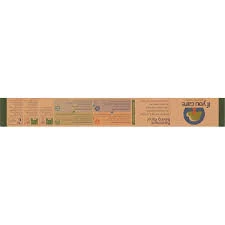
- silicone-coated parchment paper
- The brand calls it PFAS-free, which we have not verified
- Paper degradation and particulate shedding
More parchment paper & baking liners grades
How we score, every product runs through the same public 0-100 rubric based on materials, coatings, brand disclosure, lab findings, and recalls. See the full methodology → Spotted a mistake? Report an error.