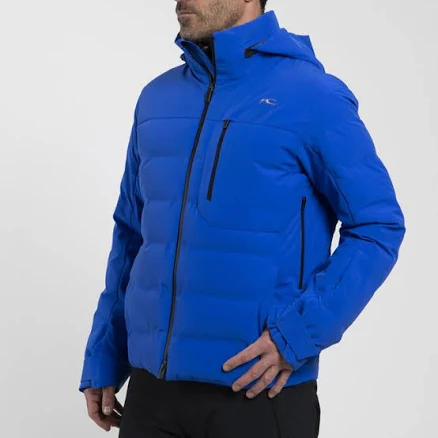
Kjus · Ski & Snowboard Jackets
Kjus Men's Capture Jacket
Skip until Kjus discloses water-repellent coating chemistry or switches to PFAS-free.
Kjus makes premium ski jackets typically finished with water-repellent coating coatings historically based on PFAS chemistry. The brand shares no public disclosure of water-repellent coating composition or PFAS policy.
Still want this one anyway? Check the price on Amazon. We’d swap it.
Material
polyester shell with water-repellent coating finish (unspecified chemistry)
Brand disclosure
Brand is silent on PFAS
Lab data
No public lab test
What Kjus Men's Capture Jacket is made of, ingredients and materials
The Kjus Capture Jacket uses a polyester shell with a water-repellent coating (water-repellent coating) finish. Polyester itself is chemically stable during wear and does not leach monomers under normal conditions. However, the water-repellent coating chemistry is not specified by Kjus. water-repellent coating finishes historically have used PFAS "forever chemicals" (PFAS) to achieve water resistance, though some manufacturers now offer alternatives with lower concern for PFAS. Without disclosure, the specific treatment cannot be assessed.
What’s concerning
Category baseline
The starting point for this type of product, before anything specific to this product is counted.
No PFAS disclosure
No public statement from the brand about PFAS in this product.
Waterproof / stain-resistant treatment
Water-repellent coating treatments have historically used PFAS.
Azo dyes and colorant contamination
The jacket uses synthetic dyes typical in polyester textiles. Kjus does not certify against restricted azo dyes (e.g., those producing carcinogenic amines). Most major ski jacket brands now test for banned azo dyes, but absence of certification means this cannot be ruled out.
Antimony in polyester fiber
Antimony trioxide is used as a catalyst in polyester fiber production. Finished polyester does not typically release antimony during normal wear, but unmaintained high-heat processing can leave residues. Kjus does not disclose antimony levels or removal steps.
water-repellent coating degradation and microplastic shedding
Water-repellent coating coatings on polyester jackets can flake or shed microscopically, especially after repeated washing or wear. This is a documented issue across the category; Kjus provides no guidance on durability or environmental impact of coating breakdown.
PFAS
Because Kjus does not disclose water-repellent coating formulation, traditional fluorocarbon-based PFAS treatments cannot be ruled out. This is the primary chemical concern for this product and why PFAS is graded 20/100 separately.
Source, ATSDR ↗What’s reassuring
Formaldehyde / VOCs
No formaldehyde-release finishing agents are standard in premium polyester ski shells, and Kjus does not flag this concern. Risk here is very low for this product category.
Source, ATSDR ↗The full breakdown
The brand's record and disclosure
Kjus does not publicly disclose water-repellent coating chemistry or provide certification (such as Oeko-Tex, bluesign, or PFAS-free commitments) for this jacket. The brand has not published a known position statement on PFAS phase-out or chemical transparency. This silence is notable in a market where premium ski brands increasingly compete on chemical safety credentials. No major recalls or safety controversies specific to Kjus outerwear are on record.
How it compares in its category
Premium ski jacket competitors vary widely in transparency. Brands like Patagonia, The North Face, and Arc'teryx publish specific water-repellent coating information and many offer PFAS-free lines. Kjus sits in the high-performance segment but lags in publicly available chemical disclosure compared to peers. Many mid-range ski jackets also lack specific water-repellent coating labeling, so this is not unusual, but it is a weakness relative to category leaders on sustainability claims.
If you buy it
Polyester jackets should not be machine-washed in hot water (use cold water and gentle cycle) as heat can stress synthetic fibers and any coatings, though standard washing will not damage the shell. Do not use fabric softeners or bleach, as these can degrade water-repellent treatments. Air dry only; tumble dryers accelerate coating breakdown. Expect water-repellent coating performance to diminish after 5-10 years or heavy use; professional re-treatment is available but adds cost and reintroduces the chemical disclosure issue.
What we don’t know
- Basis
- Model estimate, 35% confidence, not a lab result
- Lab test
- None on record for this exact product
- Brand statement
- Kjus has made none
Formulations change between production runs, so check the current label. How we grade.
Better-graded alternatives in Ski & Snowboard Jackets
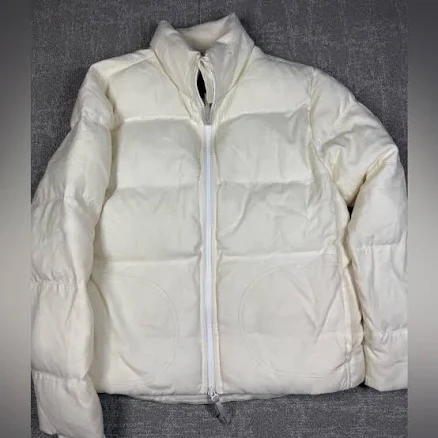
Allbirds
Jackets & Coats Allbirds Full Zip Wool Blend Puffer Jacket Women Size Small
- Wool blend with synthetic fill (likely polyester)
- We found no PFAS statement from the brand
- water-repellent coating (water-repellent coating) coating composition
3 hazards checked on this product. See all of them.
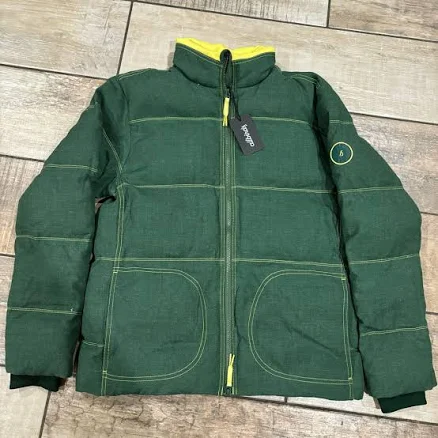
Allbirds
Jackets & Coats Allbirds Men's Trino Puffer Jacket Full Zip Wool Blend Forest Green Coat Size Sm
- wool blend (natural fiber dominant)
- We found no PFAS statement from the brand
- water-repellent coating (water-repellent coating) treatment - undisclosed chemistry
2 hazards checked on this product. See all of them.
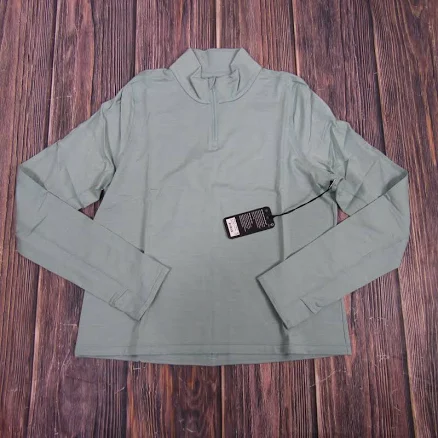
Allbirds
NWT Womens Medium Green Natural Run Mid Layer 1/4 Zip Jacket
- Merino wool blend (natural fiber)
- We found no PFAS statement from the brand
- Azo dyes and synthetic dye residue
3 hazards checked on this product. See all of them.
More ski & snowboard jackets grades
How we score, every product runs through the same public 0-100 rubric based on materials, coatings, brand disclosure, lab findings, and recalls. See the full methodology → Spotted a mistake? Report an error.