Kjus · Ski & Snowboard Jackets
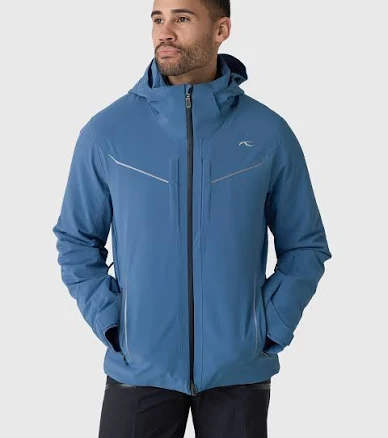
Kjus Men's Formula Jacket
Skip until Kjus clarifies its water-repellent coating chemistry; high-end ski wear often uses PFAS-based treatments.
This premium ski shell jacket features water-repellent coating, a category historically reliant on PFAS chemistry. Kjus does not publicly disclose its water-repellent coating formulation or any PFAS-free commitment.
Still want this one anyway? Check the price on Amazon. We’d swap it.
Material
Polyamide/nylon with water-repellent coating (unspecified)
Brand disclosure
Brand is silent on PFAS
Lab data
No public lab test
What Kjus Men's Formula Jacket is made of, ingredients and materials
The Kjus Formula Jacket is constructed from polyamide (nylon) with a water-repellent coating (water-repellent coating) finish. The specific water-repellent coating chemistry is not disclosed in publicly available product information. Most high-performance ski jackets in this price tier use either PFAS-based fluorocarbon coatings (highly water-resistant but persistent) or newer wax/silicone alternatives (less effective but non-fluorinated). Without disclosure, the water-repellent coating treatment remains the primary unknown hazard in this garment.
What’s concerning
Category baseline
The starting point for this type of product, before anything specific to this product is counted.
No PFAS disclosure
No public statement from the brand about PFAS in this product.
Waterproof / stain-resistant treatment
Water-repellent coating treatments have historically used PFAS.
water-repellent coating identity and leachability
Kjus does not disclose whether the polyamide jacket's water-repellent coating treatment is PFAS-based (fluorocarbon) or alternative (wax/silicone). PFAS-based treatments on textiles can leach into sweat and water during wear and washing; non-fluorinated alternatives carry lower leaching risk but are less durable.
Polyamide (nylon) degradation and microfiber shedding
Nylon polyamide, especially in high-wear zones (seams, cuffs), sheds microfibers during washing and wear. This is inherent to the material class, not specific to Kjus, but repeated laundering increases shedding rate. No evidence of additional stabilizers or coatings to reduce this in the Formula Jacket line.
What’s reassuring
Azo dyes and synthetic colorants
No public records of azo dye violations or problematic colorant use specific to Kjus Formula Jackets. Polyamide accepts synthetic dyes readily; standard EU/US apparel regulations apply. No independent testing of this product for restricted azo compounds is on record.
Formaldehyde / VOCs
Nylon apparel may incorporate formaldehyde-based resin finishes for shape retention or water-repellent coating boost, but this is uncommon in modern ski jackets and Kjus does not advertise such treatments. No recalls or reports of excess formaldehyde in Kjus garments are documented.
Source, ATSDR ↗Heavy metals
No public reports of cadmium, lead, or antimony contamination in Kjus Formula Jackets. Polyamide is not prone to heavy-metal leaching in normal use. Standard EU REACH/OEKO-TEX compliance is assumed but not explicitly certified for this product.
Source, FDA ↗The full breakdown
The brand's record and disclosure
Kjus, a premium Swiss-Norwegian ski apparel brand, does not maintain a publicly documented PFAS policy or commitment to fluorocarbon-phase-out comparable to major competitors like Patagonia or Arc'teryx. No independent certifications (such as Bluesign or similar) are prominently associated with this product line. The brand's silence on water-repellent coating chemistry is typical of older premium ski-wear manufacturers but falls short of current transparency standards in the category.
How it compares in its category
High-end ski jackets ($400+) from Kjus compete with brands that range widely, some (e.g., Patagonia H2No, Arc'teryx) explicitly use non-fluorinated or transitional water-repellent coating; others (e.g., The North Face ThermoBall, Salomon) remain silent on chemistry. Kjus jackets are not outliers in this opacity, but they occupy the mid-to-upper range of the market where transparency expectations are rising. Buyers seeking confirmed PFAS-free alternatives do have documented options in this price category.
If you buy it
Wash in cold water with mild detergent; avoid heat drying or high temperatures, which can degrade nylon and potentially volatilize any fluorinated coating. Store in a cool, dry place away from direct sunlight to prevent photodegradation of the polyamide base. Expect the water-repellent coating finish to diminish after 10-20 washes; reapply commercial water-repellent coating treatments only after confirming they are fluorocarbon-free. Contact Kjus directly before purchase to ask whether the Formula Jacket uses PFAS-based water-repellent coating; if they cannot confirm, consider it a semi-informed purchase.
What we don’t know
- Basis
- Model estimate, 35% confidence, not a lab result
- Lab test
- None on record for this exact product
- Brand statement
- Kjus has made none
Formulations change between production runs, so check the current label. How we grade.
Better-graded alternatives in Ski & Snowboard Jackets
Allbirds
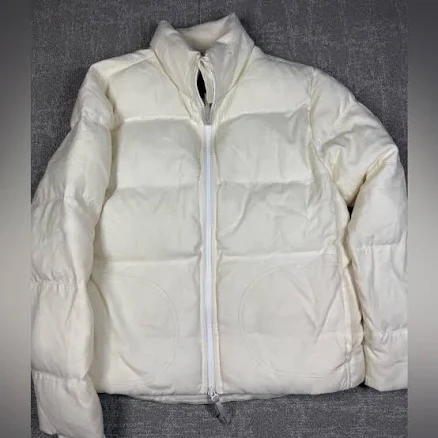
Jackets & Coats Allbirds Full Zip Wool Blend Puffer Jacket Women Size Small
- Wool blend with synthetic fill (likely polyester)
- We found no PFAS statement from the brand
- water-repellent coating (water-repellent coating) coating composition
3 hazards checked on this product. See all of them.
Allbirds
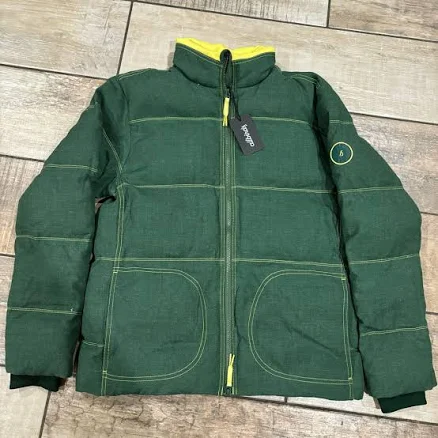
Jackets & Coats Allbirds Men's Trino Puffer Jacket Full Zip Wool Blend Forest Green Coat Size Sm
- wool blend (natural fiber dominant)
- We found no PFAS statement from the brand
- water-repellent coating (water-repellent coating) treatment - undisclosed chemistry
2 hazards checked on this product. See all of them.
Allbirds
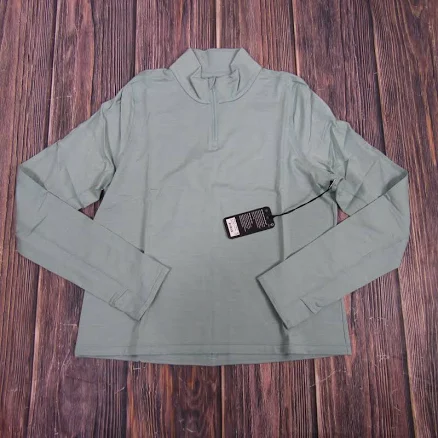
NWT Womens Medium Green Natural Run Mid Layer 1/4 Zip Jacket
- Merino wool blend (natural fiber)
- We found no PFAS statement from the brand
- Azo dyes and synthetic dye residue
3 hazards checked on this product. See all of them.
More ski & snowboard jackets grades
How we score, every product runs through the same public 0-100 rubric based on materials, coatings, brand disclosure, lab findings, and recalls. See the full methodology → Spotted a mistake? Report an error.