Kjus · Ski & Snowboard Jackets
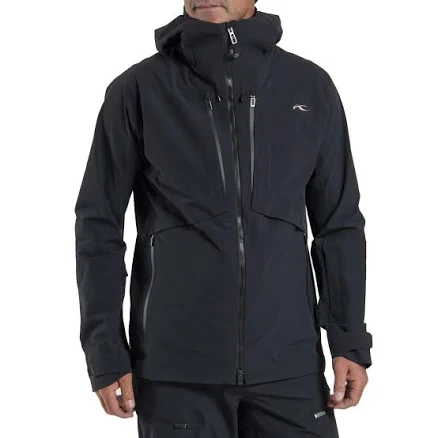
Kjus Men's Lucas FRX Shell Jacket
Skip until Kjus discloses water-repellent coating chemistry or commits to PFAS-free.
This technical ski shell includes water-repellent treatment, but Kjus doesn't specify the water-repellent coating's PFAS status. High-performance outerwear typically uses legacy fluorinated water-repellent coating or newer alternatives.
Still want this one anyway? Check the price on Amazon. We’d swap it.
Material
Synthetic shell with water-repellent coating water-repellent coating (unspecified chemistry)
Brand disclosure
Brand is silent on PFAS
Lab data
No public lab test
What Kjus Men's Lucas FRX Shell Jacket is made of, ingredients and materials
The Kjus Lucas FRX uses a synthetic shell (likely polyester or polyamide) with a water-repellent coating (water-repellent coating) coating applied to the exterior. water-repellent coating coatings are the primary source of PFAS in modern ski jackets, as fluorinated compounds provide the water-shedding performance that skiers expect. Kjus does not publicly specify whether this jacket uses legacy PFAS (like PFOA), newer PFAS alternatives, or fluorine-free options, which leaves the actual chemical exposure unclear.
What’s concerning
Category baseline
The starting point for this type of product, before anything specific to this product is counted.
No PFAS disclosure
No public statement from the brand about PFAS in this product.
Waterproof / stain-resistant treatment
Water-repellent coating treatments have historically used PFAS.
PFAS
Kjus does not disclose water-repellent coating chemistry; most ski jackets in this price and era still use legacy or newer PFAS compounds. Exposure risk is inhalation during heat-application or wear, and skin contact with coating residues.
Source, ATSDR ↗Microplastics
Polyester or polyamide shells with applied water-repellent coating coatings shed microfibers when washed or worn, especially if the coating delaminates. Risk is lowest with gentle care and cold water washing.
Source, EPA ↗What’s reassuring
Heavy metals
No specific recalls or testing results are publicly available for Kjus garments. Synthetic ski jackets typically use acid or disperse dyes that are regulated in EU markets; Kjus goods must meet EU/CE standards if marketed in Europe.
Source, FDA ↗Formaldehyde / VOCs
Synthetic ski shells rarely use formaldehyde-based finishes, as water resistance is achieved through water-repellent coating rather than resin treatments. No public evidence of formaldehyde use in Kjus jackets.
Source, ATSDR ↗Flame retardants
The Lucas FRX is described as a shell jacket without built-in insulation; linings are typically polyester or nylon and rarely treated with brominated flame retardants in ski apparel. No evidence of brominated FR chemicals in Kjus products.
Source, EPA ↗The full breakdown
The brand's record and disclosure
Kjus is a premium Swiss-Austrian ski apparel brand with limited public transparency on chemical content or supply chain sustainability. The company has not published a commitment to phase out PFAS or disclose water-repellent coating chemistry for this or other products. No major product recalls or chemical safety controversies are documented for Kjus, but the absence of disclosure on a known hazard class in this category is a red flag for informed consumers.
How it compares in its category
Most ski jacket brands in the luxury segment (Arc'teryx, Patagonia, The North Face) have begun labeling or phasing PFAS in water-repellent coating treatments; Kjus lags in transparency. Some brands now offer fluorine-free water-repellent coating alternatives (wax-based or silicone), though performance trade-offs exist. The Kjus Lucas occupies the mid-to-premium price tier without the chemical transparency that justifies premium positioning in an increasingly PFAS-conscious market.
If you buy it
Wash at low temperature (under 60C/140F) and air-dry to avoid heat-induced breakdown of the synthetic coating, which could accelerate shedding of microplastics or leaching of coating residues. Re-apply commercial water-repellent coating treatments (preferably fluorine-free) every 1-2 seasons depending on use intensity, rather than repeated laundering. Do not dry-clean, as solvents can degrade the shell and coating bond. Inspect seams and hem for tears; small abrasions are normal but leave the jacket less water-resistant and may require patching.
What we don’t know
- Basis
- Model estimate, 35% confidence, not a lab result
- Lab test
- None on record for this exact product
- Brand statement
- Kjus has made none
Formulations change between production runs, so check the current label. How we grade.
Better-graded alternatives in Ski & Snowboard Jackets
Allbirds
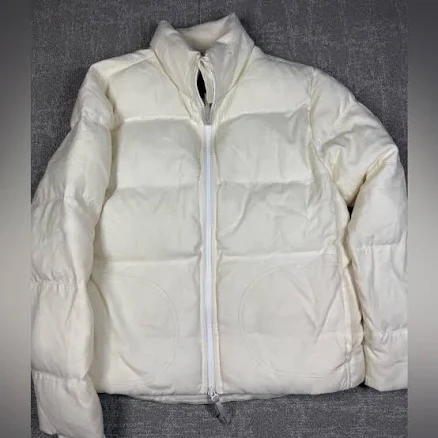
Jackets & Coats Allbirds Full Zip Wool Blend Puffer Jacket Women Size Small
- Wool blend with synthetic fill (likely polyester)
- We found no PFAS statement from the brand
- water-repellent coating (water-repellent coating) coating composition
3 hazards checked on this product. See all of them.
Allbirds
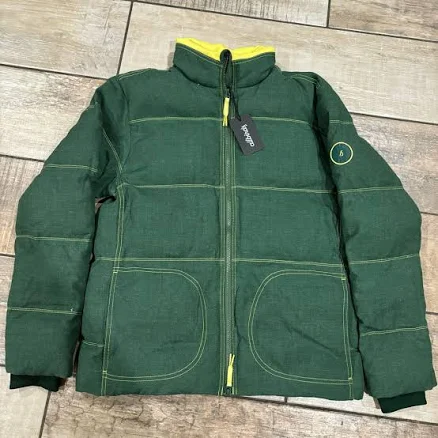
Jackets & Coats Allbirds Men's Trino Puffer Jacket Full Zip Wool Blend Forest Green Coat Size Sm
- wool blend (natural fiber dominant)
- We found no PFAS statement from the brand
- water-repellent coating (water-repellent coating) treatment - undisclosed chemistry
2 hazards checked on this product. See all of them.
Allbirds
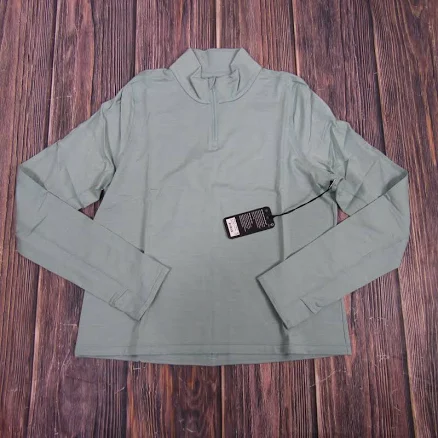
NWT Womens Medium Green Natural Run Mid Layer 1/4 Zip Jacket
- Merino wool blend (natural fiber)
- We found no PFAS statement from the brand
- Azo dyes and synthetic dye residue
3 hazards checked on this product. See all of them.
More ski & snowboard jackets grades
How we score, every product runs through the same public 0-100 rubric based on materials, coatings, brand disclosure, lab findings, and recalls. See the full methodology → Spotted a mistake? Report an error.