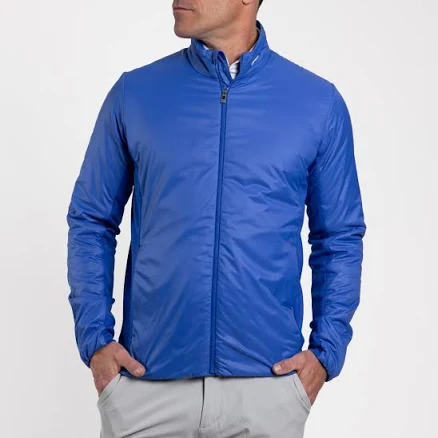
Kjus · Ski & Snowboard Jackets
Kjus Men's Radiation Jacket
water-repellent coating-treated ski jacket with no PFAS disclosure from Kjus.
This jacket has a water-repellent coating treatment applied to a synthetic shell. The chemistry of the water-repellent coating finish is not stated. Kjus has no PFAS statement on record for this product.
Still want this one anyway? Check the price on Amazon. We’d swap it.
Material
synthetic shell with water-repellent coating water-repellent treatment
Brand disclosure
Brand is silent on PFAS
Lab data
No public lab test
What Kjus Men's Radiation Jacket is made of, ingredients and materials
Kjus Radiation jackets use a synthetic shell (typically polyester or nylon) with a water-repellent coating (water-repellent coating) finish applied to the outer surface. water-repellent coating coatings are essential for snow and rain shedding but are the primary vector for PFAS in ski apparel. The shell itself is inert; the concern is entirely in the invisible treatment layer, which degrades with washing and abrasion, potentially releasing particles and chemicals over the garment's life.
What’s concerning
Category baseline
The starting point for this type of product, before anything specific to this product is counted.
No PFAS disclosure
No public statement from the brand about PFAS in this product.
Waterproof / stain-resistant treatment
Water-repellent coating treatments have historically used PFAS.
Synthetic fiber microparticles from degradation
Polyester and nylon shells shed microfibers during wear and washing, particularly at seams and high-friction zones. Inhalation risk is low during normal use, but washing machine discharge and landfill persistence are environmental concerns.
water-repellent coating degradation and residual chemical release
The fluorinated water-repellent coating treatment (composition undisclosed by Kjus) will degrade with repeated washing, weathering, and friction. Chemical leaching into skin or sweat is not documented at measurable levels in the literature, but degraded coating particles may be ingested via hand-to-mouth contact.
Formaldehyde / VOCs
Synthetic ski jackets often use formaldehyde-releasing resins for wrinkle resistance or color stabilization, though high-performance fabrics minimize this. Off-gassing is typically minimal after the first few washes, but new-garment odor warrants airing out before wearing.
Source, ATSDR ↗Thermal stress on synthetic shell during high heat exposure
Machine drying or proximity to heat sources (campfires, radiators, saunas) can soften or melt polyester/nylon and potentially accelerate water-repellent coating breakdown. This is a handling hazard, not an inherent material defect.
What’s reassuring
Azo dye contamination (color fastness)
No specific reports for Kjus Radiation jackets, but synthetic dark-colored ski jackets can harbor banned azo dyes depending on supplier. Standard bluesign or OEKO-TEX certification would rule this out; Kjus does not claim either.
The full breakdown
The brand's record and disclosure
Kjus is a premium Swiss-Italian alpine brand with no published commitment to PFAS-free water-repellent coating or third-party certification (such as OEKO-TEX or bluesign). The company does not disclose water-repellent coating chemistry on product labels or websites, which is standard silence in the high-performance ski market. No major recalls or safety controversies are on record for this product line, but the lack of transparency limits independent assessment.
How it compares in its category
Most high-end ski jackets in this price tier use legacy PFAS-based water-repellent coating (C8 or C6 compounds); newer alternatives like fluorine-free water-repellent coating or wax-based coatings exist but are rarer and often less durable in extreme conditions. Kjus sits in the conventional mainstream rather than the eco-conscious segment. Competitor brands like Arc'teryx and Patagonia have begun phasing PFAS; Kjus has not announced equivalent plans.
If you buy it
Wash sparingly in cold water using minimal detergent; every wash degrades the water-repellent coating and may mobilize residual treatment chemicals. Air-dry only; heat (tumble dryer, radiator) can degrade synthetic fibers and potentially accelerate chemical leaching. Expect to reapply water-repellent coating every 2-3 seasons of heavy use using commercial aerosol or liquid treatments (which carry their own chemical profile). Replace the jacket if the shell develops rips or if water stops beading off the surface.
What we don’t know
- Basis
- Model estimate, 45% confidence, not a lab result
- Lab test
- None on record for this exact product
- Brand statement
- Kjus has made none
Formulations change between production runs, so check the current label. How we grade.
Better-graded alternatives in Ski & Snowboard Jackets
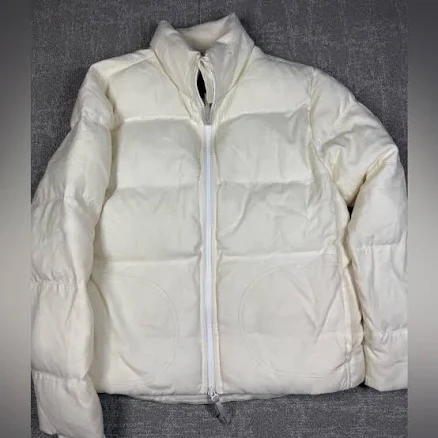
Allbirds
Jackets & Coats Allbirds Full Zip Wool Blend Puffer Jacket Women Size Small
- Wool blend with synthetic fill (likely polyester)
- We found no PFAS statement from the brand
- water-repellent coating (water-repellent coating) coating composition
3 hazards checked on this product. See all of them.
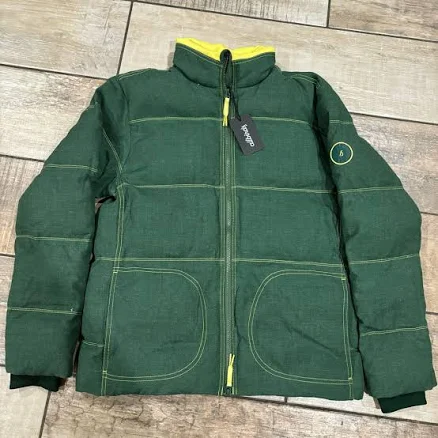
Allbirds
Jackets & Coats Allbirds Men's Trino Puffer Jacket Full Zip Wool Blend Forest Green Coat Size Sm
- wool blend (natural fiber dominant)
- We found no PFAS statement from the brand
- water-repellent coating (water-repellent coating) treatment - undisclosed chemistry
2 hazards checked on this product. See all of them.
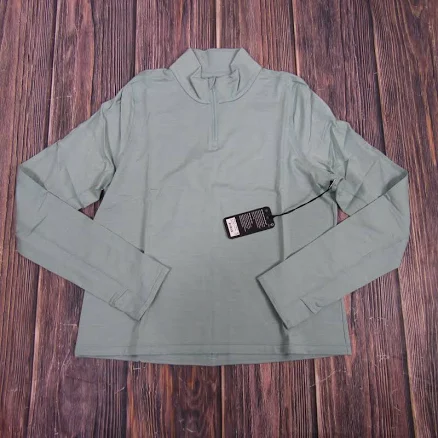
Allbirds
NWT Womens Medium Green Natural Run Mid Layer 1/4 Zip Jacket
- Merino wool blend (natural fiber)
- We found no PFAS statement from the brand
- Azo dyes and synthetic dye residue
3 hazards checked on this product. See all of them.
More ski & snowboard jackets grades
How we score, every product runs through the same public 0-100 rubric based on materials, coatings, brand disclosure, lab findings, and recalls. See the full methodology → Spotted a mistake? Report an error.