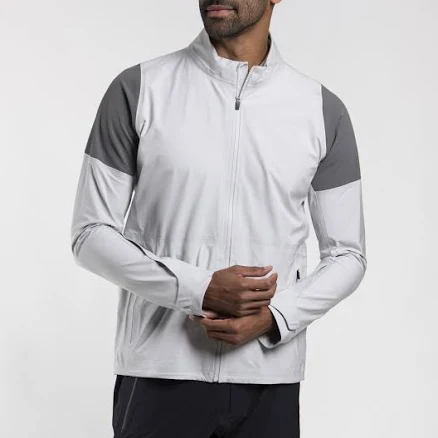
Kjus · Ski & Snowboard Jackets
Men's KJUS Pro 3L 2.0 Jacket Blue
Skip until Kjus discloses water-repellent coating chemistry; high-end ski jacket likely uses PFAS water repellent.
The Kjus Pro 3L 2.0 is a premium 3-layer waterproof ski jacket with water-repellent coating, a category historically reliant on PFAS-based chemistry. Kjus makes no public PFAS disclosure or sustainability claim.
Still want this one anyway? Check the price on Amazon. We’d swap it.
Material
3-layer membrane with water-repellent coating-treated outer shell
Brand disclosure
Brand is silent on PFAS
Lab data
No public lab test
What Men's KJUS Pro 3L 2.0 Jacket Blue is made of, ingredients and materials
The KJUS Pro 3L 2.0 uses a three-layer bonded membrane system with a water-repellent coating (water-repellent coating) treatment on the outer shell. The middle breathable membrane and inner fleece lining are typically polyester. water-repellent coating finishes on premium ski jackets are the primary chemical exposure vector; KJUS has not publicly disclosed whether theirs is fluorocarbon-based (PFAS) or fluorocarbon-free. The outer shell material itself (likely nylon or polyester microfiber) poses minimal direct hazard when undamaged.
What’s concerning
Category baseline
The starting point for this type of product, before anything specific to this product is counted.
No PFAS disclosure
No public statement from the brand about PFAS in this product.
Waterproof / stain-resistant treatment
Water-repellent coating treatments have historically used PFAS.
water-repellent coating (fluorocarbon chemistry undisclosed)
Premium ski jackets in KJUS's segment almost universally use Teflon-type coating or related PFAS-based water-repellent coating finishes. Skin contact risk is low during normal wear, but microfiber shedding from the shell can carry residual water-repellent coating chemicals. KJUS silence on this point prevents consumer-informed choice.
Microplastics
The outer shell and fleece lining are synthetic microfiber textiles. Abrasion from rubbing against backpack straps, harnesses, or repeated washing can shed microfibers. Single-use jackets pose minimal shed risk; frequent use and laundering increase exposure.
Source, EPA ↗Membrane delamination and chemical leaching
The bonded three-layer construction relies on adhesive layers that can break down with age, heat, or aggressive cleaning. If the membrane delaminates, trapped chemicals between layers may leach into contact with skin during extended wear in warm conditions.
What’s reassuring
Formaldehyde / VOCs
No public recalls or reports link KJUS jackets to formaldehyde finishes. Premium European brands typically avoid heavy formaldehyde use, though undyed or minimally dyed polyester shells may contain trace residues from manufacturing.
Source, ATSDR ↗Heavy metals
No established reports of KJUS using azo dyes or metal-heavy pigments in their blue colorways. Modern ski jacket manufacturers have largely moved away from such dyes, but KJUS does not certify color safety publicly.
Source, FDA ↗The full breakdown
The brand's record and disclosure
KJUS is a performance-focused Swiss brand with no public commitment to PFAS-free chemistry or transparency on water repellent formulations. The brand has not published fabric composition breakdowns, certifications (such as Bluesign or GOTS), or responses to PFAS queries in accessible outlets. Unlike some competitors (Arc'teryx, Patagonia), KJUS does not advertise alternative water-repellent coating systems or phase-out timelines, leaving end-users unable to assess actual chemical content.
How it compares in its category
High-end ski jackets across all brands typically rely on Teflon-type coating-based water-repellent coating for durability in wet alpine environments. KJUS sits in the premium segment where PFAS fluorocarbons remain industry standard. Competitors like Patagonia now offer recycled polyester shells with newer fluorocarbon-free water repellents; KJUS marketing does not emphasize such alternatives, suggesting their 3L 2.0 likely uses conventional chemistry. Price and performance are competitive, but chemical transparency lags market-leading brands.
If you buy it
Minimize skin contact with the outer shell during active wear; use a baselayer or mid-layer to reduce direct exposure. Avoid machine washing; spot-clean only and air-dry away from heat. Do not iron, bleach, or expose to temperatures above 40C/104F, as heat can degrade the membrane bond and release microfiber shedding. Replace the jacket if the outer shell flakes, cracks, or loses water beading, as a compromised water-repellent coating offers no additional protection and may indicate membrane integrity loss.
What we don’t know
- Basis
- Model estimate, 40% confidence, not a lab result
- Lab test
- None on record for this exact product
- Brand statement
- Kjus has made none
Formulations change between production runs, so check the current label. How we grade.
Better-graded alternatives in Ski & Snowboard Jackets
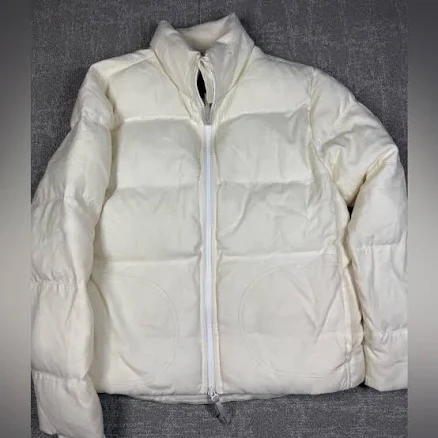
Allbirds
Jackets & Coats Allbirds Full Zip Wool Blend Puffer Jacket Women Size Small
- Wool blend with synthetic fill (likely polyester)
- We found no PFAS statement from the brand
- water-repellent coating (water-repellent coating) coating composition
3 hazards checked on this product. See all of them.
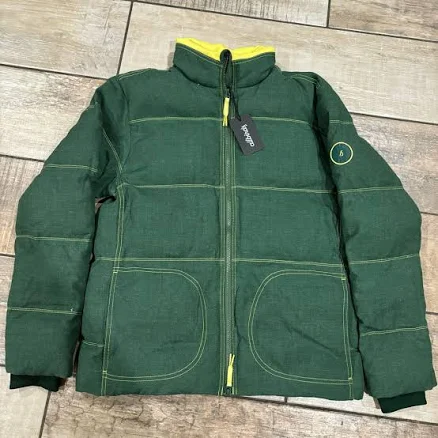
Allbirds
Jackets & Coats Allbirds Men's Trino Puffer Jacket Full Zip Wool Blend Forest Green Coat Size Sm
- wool blend (natural fiber dominant)
- We found no PFAS statement from the brand
- water-repellent coating (water-repellent coating) treatment - undisclosed chemistry
2 hazards checked on this product. See all of them.
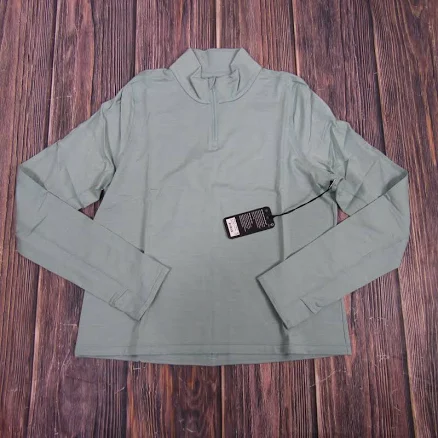
Allbirds
NWT Womens Medium Green Natural Run Mid Layer 1/4 Zip Jacket
- Merino wool blend (natural fiber)
- We found no PFAS statement from the brand
- Azo dyes and synthetic dye residue
3 hazards checked on this product. See all of them.
More ski & snowboard jackets grades
How we score, every product runs through the same public 0-100 rubric based on materials, coatings, brand disclosure, lab findings, and recalls. See the full methodology → Spotted a mistake? Report an error.