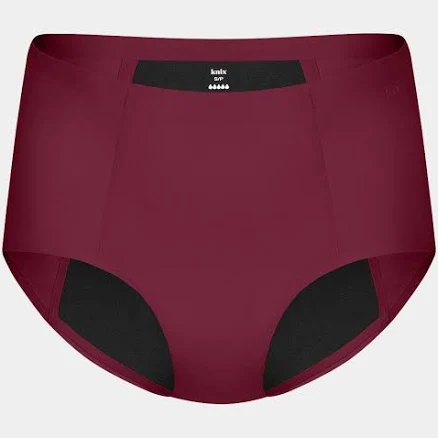
Knix Heavy Flow & Bladder Leak Protection Underwear
Unknown waterproof treatment; no PFAS transparency from brand.
Knix does not publicly disclose the waterproof coating composition or PFAS status. Moisture-barrier underwear typically requires water-repellent treatment, which historically may contain PFAS, but brand silence prevents confirmation.
The better-graded swap
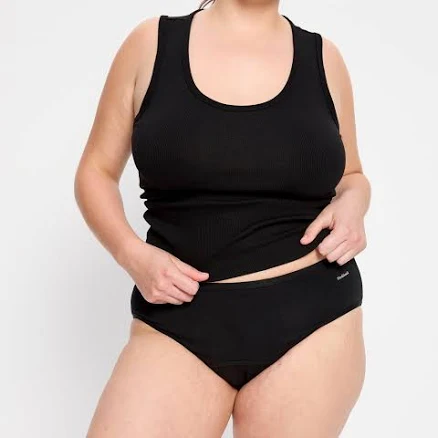
Modibodi
Modibodi Basic Mid-Rise Brief Black
90/100 safety
Same rubric that flunked this product. The swap earned Excellent.
Still want this one anyway? Check the price on Amazon. We’d swap it.
Material
Absorbent textile blend with waterproof backing coating, composition unspecified
Lab data
No public lab test
What Knix Heavy Flow & Bladder Leak Protection is made of, ingredients and materials
Knix Heavy Flow underwear uses a textile blend (likely cotton-synthetic mix) with an unspecified waterproof backing layer. The backing is the critical unknown, waterproof coatings in period underwear typically use either fluorochemical compounds (PFAS), polyurethane, or silicone-based treatments. Knix has not publicly disclosed which technology they use, making it impossible to rule out fluorinated treatments from available information. The absorbent core material composition is also proprietary and unspecified.
What’s concerning
Waterproof / stain-resistant treatment
Water-repellent coating treatments have historically used PFAS.
Category baseline
The starting point for this type of product, before anything specific to this product is counted.
No PFAS disclosure
No public statement from the brand about PFAS in this product.
Azo dyes in textiles
Conventional cotton-blend fabrics may use azo dyes, which can break down into aromatic amines under acidic conditions (menstrual environment) or after repeated washing. Knix does not specify dye chemistry; OEKO-TEX certification would rule this out but is not advertised.
Formaldehyde / VOCs
Textile finishing processes sometimes use formaldehyde-releasing resins for wrinkle resistance or to set dyes. No disclosure from Knix on finish chemistry; repeated skin contact with formaldehyde releasers can trigger contact dermatitis or sensitization.
Source, ATSDR ↗Coating degradation and leachables from waterproof backing
Polyurethane-coated textiles used in period/incontinence products can degrade over time with washing and sweat exposure, potentially releasing oligomers or other coating byproducts. If Knix uses fluorochemical coatings, degradation poses PFAS leaching risk (covered under PFAS grade separately). Material and longevity data are not public.
Skin irritation from synthetic backing or residual chemicals
Direct genital contact with synthetic coatings can cause irritation in sensitive individuals, especially during extended wear. Residual finishing chemicals or dyes not fully rinsed before sale increase this risk; Knix provides no wash instructions or hypoallergenic claims.
Microplastics
Repeated washing of synthetic-blend textiles sheds microplastics; while not a direct wearer hazard, this contributes to environmental contamination. Reusable period underwear reduces disposable waste but does not eliminate microfiber shedding.
Source, EPA ↗The full breakdown
The brand's record and disclosure
Knix markets itself as a direct-to-consumer brand with focus on comfort and sustainability, but provides minimal chemical transparency on their website or product labels. No third-party certifications (OEKO-TEX, GOTS, bluesign) are advertised for this product. The brand has not issued public statements about PFAS avoidance or use, and no independent testing results or recalls are on record. This silence on chemical safety is notable given increasing regulatory attention to PFAS in textiles.
How it compares in its category
Period underwear is a newer category with highly variable chemical practices. Some competitors (Thinx, Period Co.) have made limited PFAS disclosures or pursued certifications, while others remain opaque like Knix. Washable period underwear as a category avoids single-use plastic packaging waste but introduces potential chemical exposure through waterproof coatings on each garment worn repeatedly and washed frequently. Knix's pricing sits mid-market but does not correlate with transparency or certified safety testing.
If you buy it
Wash before first use to remove any residual finishes or dyes. Use cool to warm water (not hot) to preserve waterproof coating integrity; heat can degrade synthetic backings and potentially release volatiles. Replace every 1-2 years depending on wear frequency, as coating degradation increases leakage and may increase contact with worn material. If you experience skin irritation, discontinue use; consider patch testing on a less-sensitive area first, especially if you have contact sensitivities or eczema.
What we don’t know
- Basis
- Model estimate, 35% confidence, not a lab result
- Lab test
- None on record for this exact product
- Brand statement
- Knix has made a specific claim
Formulations change between production runs, so check the current label. How we grade.
Better-graded alternatives in Period Underwear

Ruby Love
Rubylove First Period Kit +teen Period Underwear
- organic cotton, waterproof backing layer
- A third party reports verifying it as PFAS-free
- Coating degradation and microparticle shedding
2 hazards checked on this product. See all of them.
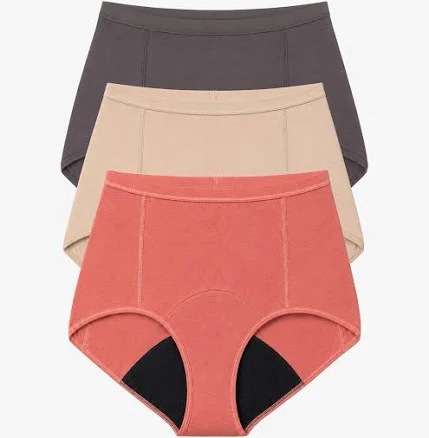
Lunapads
3-Pack BOOST Brief
- organic cotton blend, water-resistant gusset
- The brand calls it PFAS-free, which we have not verified
- Microplastic shedding from water-resistant barrier

Aisle
Super Hipster
- Organic cotton, wood pulp fiber
- The brand calls it PFAS-free, which we have not verified
- Azo dyes and synthetic dyes
2 hazards checked on this product. See all of them.
More period underwear grades
How we score, every product runs through the same public 0-100 rubric based on materials, coatings, brand disclosure, lab findings, and recalls. See the full methodology → Spotted a mistake? Report an error.