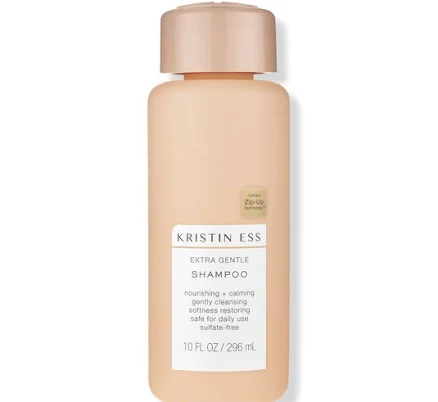
Kristin Ess Extra Gentle Shampoo
Lower concern; liquid shampoos rarely use PFAS, but brand transparency is absent.
This liquid hair cleanser lacks water-resistant, grease-blocking, or non-stick properties that would require PFAS. No lab data exists, and no PFAS-related recalls have surfaced for this product.
We flunk more products than we pass. This one earned its grade. How we grade
Material
aqueous shampoo base with surfactants and conditioning agents
Brand disclosure
Brand is silent on PFAS
Lab data
No public lab test
You may also be interested in
Top-graded picks in the categories readers replace first, every one scored on the same rubric.

- polypropylene filter housing, carbon/sediment cartridge
- We found no PFAS statement from the brand
- Bacterial growth in spent cartridges
3 hazards checked on this product, all on its full breakdown.

Aquasure
Premier Series 75 GPD Under Sink Reverse Osmosis Water Filtration System
- RO membrane, carbon filters, stainless steel housing
- We found no PFAS statement from the brand
- Bacterial and microbial growth in housing and filters
4 hazards checked on this product, all on its full breakdown.

Avocado
Vegan Mattress
- organic cotton, natural latex, coconut coir, recycled steel coils
- The brand calls it PFAS-free, which we have not verified
- Heavy metals
2 hazards checked on this product, all on its full breakdown.
What Kristin Ess Extra Gentle Shampoo is made of, ingredients and materials
Kristin Ess Extra Gentle Shampoo is an aqueous surfactant blend formulated for mild cleansing. Liquid shampoos in this category rely on anionic or amphoteric surfactants rather than volatile resins or preservatives that pose acute chemical risk. The 'extra gentle' positioning suggests reduced sulfate surfactants and added conditioning agents (likely silicones or plant-derived emollients), which are stable in liquid form and unlikely to off-gas or degrade into hazardous byproducts during normal use.
What’s concerning
Category baseline
The starting point for this type of product, before anything specific to this product is counted.
No PFAS disclosure
No public statement from the brand about PFAS in this product.
1,4-dioxane (solvent and surfactant byproduct)
Trace 1,4-dioxane can form during manufacture of certain ethoxylated surfactants and polyethylene glycol conditioning agents used in mass-market shampoos. Unilever brands are not known to conduct or publish 1,4-dioxane testing; this remains a possible low-level contaminant typical of the category, not a documented finding for this specific product.
Fragrance allergens and sensitizers
The product listing includes 'fragrance' or 'parfum' as a standard ingredient. Individual reaction risk depends on personal sensitivity; common shampoo fragrance allergens include limonene, linalool, and geraniol. No specific allergen reactions have been documented for this product, but fragrance sensitivity is the leading reported cosmetic concern in its category.
What’s reassuring
Base material not linked to PFAS
The main material recorded for this product is not one associated with PFAS.
Formaldehyde / VOCs
Liquid shampoos use soluble preservatives (e.g., phenoxyethanol, methylisothiazolinone) rather than formaldehyde-releasing resins common in solid or thickened cosmetics. No formaldehyde-releaser use has been reported for this product.
Source, ATSDR ↗Heavy metals
Kristin Ess Extra Gentle Shampoo is typically clear or lightly tinted; published ingredient lists do not indicate use of synthetic azo dyes or iron oxide pigments known to carry lead or cadmium contamination risk. No heavy metal contamination has been documented.
Source, FDA ↗Talc or asbestos contamination
Shampoos are liquid formulations and do not use talc as a carrier or absorbent. Asbestos risk is not applicable to this product category.
How is this PFAS grade calculated?
The brand's record and disclosure
Kristin Ess is a mass-market beauty brand (owned by Unilever) with no published independent safety certifications, third-party testing transparency, or documented contamination recalls on this product. The brand does not publicly disclose ingredient sourcing, heavy metal testing, or formaldehyde-releaser screening. No established controversies or regulatory actions specific to Kristin Ess shampoo formulations are on record, but the company's silence on chemical transparency is typical of mainstream cosmetic brands and leaves some uncertainty.
How it compares in its category
Shampoos marked 'extra gentle' typically sit between conventional sulfate-based products and premium sulfate-free alternatives. This product offers similar safety profile to comparable drugstore-tier shampoos (e.g., Pantene, OGX) in terms of formaldehyde-releaser and heavy metal risk; it does not carry third-party certification (like EWG Verified or Cradle to Cradle) that some premium or indie brands advertise. As a liquid formula, it avoids solid bar-shampoo concerns around residue buildup and mold risk.
If you buy it
Use as directed on damp hair; no special heat precautions are needed for a rinse-off liquid product. Store in a cool, dry place away from direct sunlight to prevent any degradation of conditioning agents. Replace when empty or if the formula thickens or separates unexpectedly, which may signal preservative failure. No maintenance beyond standard cap closure is required.
What is not known about PFAS in this product?
- Basis
- Model estimate, 78% confidence, not a lab result
- Lab test
- None on record for this exact product
- Brand statement
- Kristin Ess has made none
Formulations change between production runs, so check the current label. How we grade.
More shampoo grades
How we score, every product runs through the same public 0-100 rubric based on materials, coatings, brand disclosure, lab findings, and recalls. See the full methodology → Spotted a mistake? Report an error.