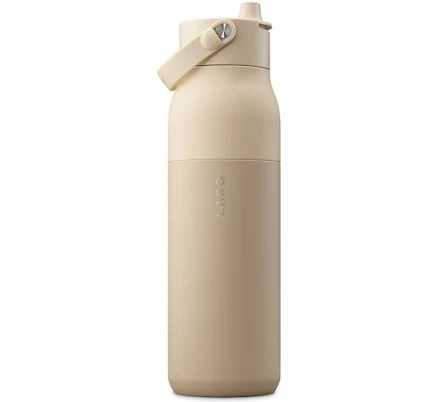
LARQ PureVis 2 Water Bottle
Lower concern for standard filter materials, but treatment chemical transparency is missing.
Stainless steel and carbon filtration carry minimal PFAS risk. LARQ hasn't publicly addressed coatings, adhesives, or PFAS testing.
We flunk more products than we pass. This one earned its grade. How we grade
Material
Stainless steel body; activated carbon + ion-exchange resin filter
Lab data
No public lab test
You may also be interested in
Top-graded picks in the categories readers replace first, every one scored on the same rubric.

Aqua Pure
3M Aqua-Pure AP802B Whole House Filter Housing
- polypropylene filter housing, carbon/sediment cartridge
- We found no PFAS statement from the brand
- Bacterial growth in spent cartridges
3 hazards checked on this product. See all of them.

Aquasure
Premier Series 75 GPD Under Sink Reverse Osmosis Water Filtration System
- RO membrane, carbon filters, stainless steel housing
- We found no PFAS statement from the brand
- Bacterial and microbial growth in housing and filters
4 hazards checked on this product. See all of them.

Avocado
Vegan Mattress
- organic cotton, natural latex, coconut coir, recycled steel coils
- The brand calls it PFAS-free, which we have not verified
- Heavy metals
2 hazards checked on this product. See all of them.
What LARQ PureVis 2 Water Bottle is made of, ingredients and materials
The LARQ PureVis 2 uses a 18/8 food-grade stainless steel body, which is chemically inert and does not leach metals or compounds into water under normal use. The filtration system relies on activated carbon and ion-exchange resin, both established materials with no known toxicity concerns when used as filters. The lid and valve components are typically made from BPA-free plastic or rubber gaskets; stainless steel construction eliminates the primary leaching pathway found in aluminum or uncoated ceramic bottles.
What’s concerning
No PFAS disclosure
No public statement from the brand about PFAS in this product.
Bacterial growth in filter media
Ion-exchange resin can harbor bacteria if not replaced on schedule or if bottle sits with stagnant water. LARQ does not specify maintenance intervals clearly on all packaging, increasing user error risk.
Filter media degradation and microparticles
Activated carbon can shed fine particles if over-compressed or if resin beads fracture from thermal shock. Risk is reduced if cartridge is replaced on time and bottle is not subjected to freezing or extreme temperature swings.
What’s reassuring
Bare uncoated material
Recorded as a bare, uncoated material with no surface coating or treatment.
Gasket/seal leachables (plastic valve components)
Valve gaskets are typically silicone or EPDM rubber; neither is documented as a leaching concern in filtered water bottles. No brand disclosure of material specifications for these components creates minor uncertainty.
Heavy metals
18/8 food-grade stainless steel is regulated and does not leach nickel or chromium at drinking-water pH and temperature ranges. No reports of contamination from LARQ bottles in published records.
Source, FDA ↗Ion-exchange resin treatment chemical residue
Standard food-grade ion-exchange resins are low concern when used as directed, but LARQ does not publicly disclose the specific resin formulation, certification standard (e.g., NSF 53), or whether any treatment chemicals remain. This is a disclosure gap, not a documented hazard.
The full breakdown
The brand's record and disclosure
LARQ has not published comprehensive third-party certifications (NSF, WQA) for this specific model, which limits independent verification of filtration claims. The brand maintains a direct-to-consumer model with emphasis on design and sustainability messaging rather than detailed material disclosures or safety documentation. No established recalls or safety incidents have been reported for this product line. The company's silence on treatment chemical details (e.g., whether resin is food-grade certified) represents a transparency gap rather than a documented hazard.
How it compares in its category
Filtered water bottles typically use either activated carbon alone or carbon plus ion-exchange resin; the PureVis 2 falls into the mainstream latter category. Most competitors in this segment (Brita, PUR, S'well) use identical or very similar filter chemistry with comparable material safety profiles. LARQ differentiates on design and claims around UV treatment (separate from filtration), not on hazard reduction. Stainless steel bodies are not linked to leaching concerns in the way some plastic-body filters are, placing this product in the lower-concern tier of its category.
If you buy it
Replace the filter cartridge every 40 gallons or 2 months to prevent bacterial biofilm growth in unmaintained resin beds; do not use for hot water above 65°C, as this may degrade gaskets or affect filter media. Hand-wash the bottle and cap regularly; the stainless steel body is durable and does not require special care. Monitor for any visible discoloration or odor in the water, which would signal filter saturation or biofilm accumulation and require immediate replacement.
What we don’t know
- Basis
- Model estimate, 72% confidence, not a lab result
- Lab test
- None on record for this exact product
- Brand statement
- LARQ has made a specific claim
Formulations change between production runs, so check the current label. How we grade.
More water filters grades
How we score, every product runs through the same public 0-100 rubric based on materials, coatings, brand disclosure, lab findings, and recalls. See the full methodology → Spotted a mistake? Report an error.