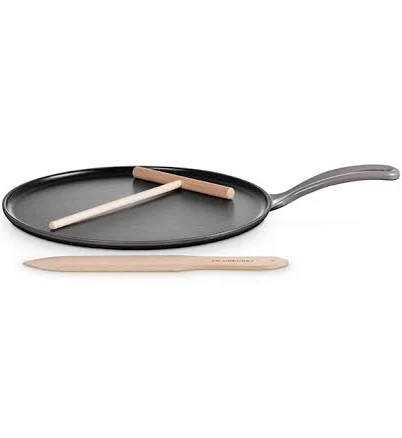
Le Creuset Traditional Round Crepe Pan, Is It Non-Toxic?
Low risk. Enameled cast iron avoids Teflon-type coating and Teflon-family coating coatings.
Le Creuset's traditional crepe pan uses enameled cast iron, a material with no established PFAS risk from the coating itself. No brand PFAS claims exist.
The better-graded swap
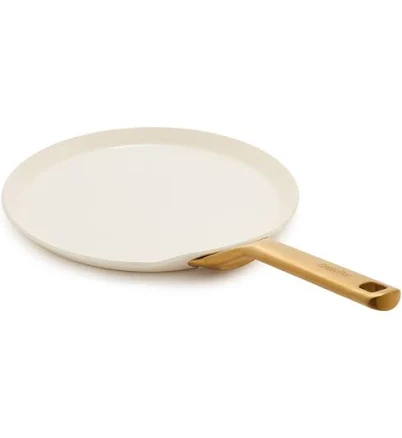
GreenPan
GreenPan Reserve Pro Crepe Frypan
70/100 safety
Same rubric that flunked this product. The swap earned Good.
Still want this one anyway? Check the price on Amazon. We’d swap it.
Material
enameled cast iron (enamel coating over cast iron base)
Lab data
No public lab test
You may also be interested in
Top-graded picks in the categories readers replace first, every one scored on the same rubric.

- polypropylene filter housing, carbon/sediment cartridge
- We found no PFAS statement from the brand
- Bacterial growth in spent cartridges
3 hazards checked on this product, all on its full breakdown.

Aquasure
Premier Series 75 GPD Under Sink Reverse Osmosis Water Filtration System
- RO membrane, carbon filters, stainless steel housing
- We found no PFAS statement from the brand
- Bacterial and microbial growth in housing and filters
4 hazards checked on this product, all on its full breakdown.

Avocado
Vegan Mattress
- organic cotton, natural latex, coconut coir, recycled steel coils
- The brand calls it PFAS-free, which we have not verified
- Heavy metals
2 hazards checked on this product, all on its full breakdown.
Is Le Creuset Traditional Round Crepe Pan non-toxic? What it is made of
Le Creuset Traditional crepe pans are cast iron with a vitreous enamel (glass-like) coating bonded to the metal surface. The enamel seals the iron, preventing direct iron leaching into food while avoiding synthetic nonstick polymers entirely. Cast iron conducts heat evenly and retains it well, which is why the brand has used this construction for decades. The enamel itself is inert when intact, though chipping or crazing can expose underlying iron.
What’s concerning
No PFAS disclosure
No public statement from the brand about PFAS in this product.
Category baseline
The starting point for this type of product, before anything specific to this product is counted.
Iron leaching from exposed cast iron
If the enamel coating chips or cracks significantly, bare cast iron underneath can leach iron into acidic foods. This is physiologically benign (iron is essential) but can affect taste and appearance. Risk is low during normal use but increases with age and impact damage.
Enamel crazing or flaking over time
Enameled cast iron cookware can develop fine crazing or microchips from thermal cycling or impact, though Le Creuset pans are known for durability. Flaking enamel is primarily a functional rather than toxicological concern, but large pieces entering food should be avoided.
What’s reassuring
Base material not linked to PFAS
The main material recorded for this product is not one associated with PFAS.
Lead
Le Creuset's enamel production is not documented to contain lead or cadmium, and no recalls or test results indicating contamination exist. Modern vitreous enamel formulations in premium cookware typically exclude these heavy metals, though brand does not publish composition data.
Source, ATSDR ↗Teflon-type coating or Teflon-family coating
This product does not use Teflon-type coating or Teflon-family coating nonstick; it is pure vitreous enamel over cast iron. This eliminates fume risk associated with overheating synthetic nonstick coatings.
Aluminum leaching
Le Creuset crepe pans are cast iron, not aluminum or aluminum-based. No aluminum leaching risk applies to this product.
How is this PFAS grade calculated?
The brand's record and disclosure
Le Creuset does not publicly disclose detailed composition data or third-party testing results for enamel coatings on its cookware. The brand has not faced major product recalls related to coating failures or leaching in recent years, and maintains ISO 9001 manufacturing certification. Le Creuset's reputation rests on longevity and multi-generational use rather than on transparency statements. No established controversies regarding enamel safety or heavy metals in glazes have been documented for this specific product line.
How it compares in its category
Most non-stick crepe pans rely on Teflon-type coating (Teflon) or ceramic coatings, both of which carry fume or wear concerns at high heat. Enameled cast iron crepe pans are less common but widely regarded as having lower concern because they avoid synthetic nonstick polymers. Le Creuset's enamel is thicker and more durable than budget enameled cast iron alternatives, reducing risk of premature chipping. The trade-off is weight and the need for seasoning-free maintenance compared to bare cast iron.
If you buy it
Crepe pans typically operate at 350-400°F on stovetops, well within enameled cast iron safety margins (enamel stable to 500°F+). Hand wash gently and avoid thermal shock (don't soak a hot pan in cold water), which is the primary cause of enamel crazing. Inspect the enamel annually for chips or cracks; small surface cracks are cosmetic, but deep exposures mean the pan should be retired. Avoid metal utensils and scouring pads to preserve the coating; use silicone or wooden tools.
What is not known about PFAS in this product?
- Basis
- Model estimate, 88% confidence, not a lab result
- Lab test
- None on record for this exact product
- Brand statement
- Le Creuset has made a specific claim
Formulations change between production runs, so check the current label. How we grade.
What are the PFAS-free alternatives to Le Creuset Traditional Round Crepe Pan?
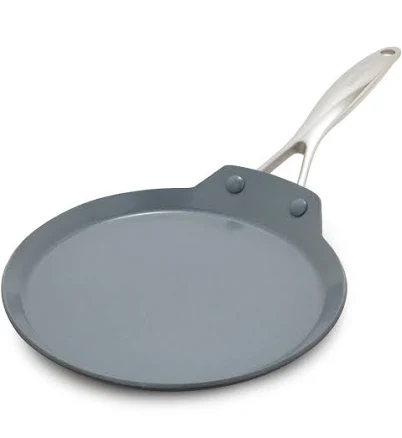
- Ceramic nonstick coating
- The brand calls it PFAS-free, which we have not verified
- Ceramic coating degradation over time
3 hazards checked on this product, all on its full breakdown.
- Thermolon™ ceramic nonstick coating (proprietary plant-derived composition)
- The brand calls it PFAS-free, which we have not verified
- Aluminum leaching
3 hazards checked on this product, all on its full breakdown.
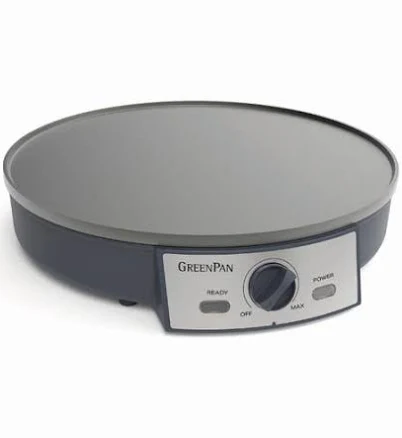
- Nonstick coating (unspecified type)
- The brand calls it PFAS-free, which we have not verified
- Teflon-type coating fume risk (if coating contains Teflon-type coating)
5 hazards checked on this product, all on its full breakdown.
Find an alternative on AmazonMore crepe pans grades
How we score, every product runs through the same public 0-100 rubric based on materials, coatings, brand disclosure, lab findings, and recalls. See the full methodology → Spotted a mistake? Report an error.