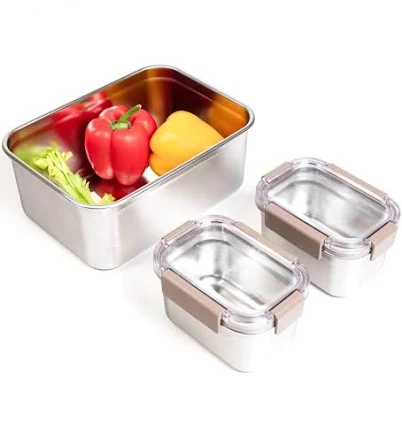
LocknLock Stainless Steel Food Storage Containers with Lids, Metal Lunch Boxes, Leak-Proof, Microwave, Freezer and Dishw
Lower concern. Bare stainless steel and metal containers carry minimal PFAS risk.
Lock & Lock stainless steel containers are bare metal without non-stick or water-resistant coatings, presenting lower PFAS concern. No PFAS-related claims or third-party verification available.
We flunk more products than we pass. This one earned its grade. How we grade
Material
Stainless steel and metal
Brand disclosure
Brand is silent on PFAS
Lab data
No public lab test
What LocknLock Stainless Steel Food Storage is made of, ingredients and materials
Lock & Lock's stainless steel containers use food-grade 18/8 or 18/10 stainless steel (chromium-nickel alloy) for the body, which is chemically inert and does not leach metals under normal use. The lids typically combine stainless steel with silicone or plastic gaskets for the seal. Stainless steel is non-porous and does not absorb odors or flavors, making it more durable than ceramic or plastic alternatives. Unlike coated cookware, there is no Teflon-type coating layer or ceramic glaze to degrade or release particles.
What’s concerning
Category baseline
The starting point for this type of product, before anything specific to this product is counted.
No PFAS disclosure
No public statement from the brand about PFAS in this product.
Silicone gasket degradation
The rubber or silicone seals in the lids can crack, harden, or develop mold if stored in humid conditions or not dried thoroughly after washing. Compromised gaskets reduce leak-proof performance and may harbor bacterial growth; replace gaskets annually or when visible damage appears.
Bacterial colonization in seal crevices
Tight-fitting gasket seams can trap moisture and food residue if not thoroughly cleaned and dried, potentially allowing mold or bacterial biofilm to develop. This is a maintenance issue rather than a material defect; proper hand washing and air drying between uses mitigates risk.
What’s reassuring
Bare uncoated material
Recorded as a bare, uncoated material with no surface coating or treatment.
Nickel leaching (contact dermatitis risk for handlers, not food)
Food-grade 18/8 stainless steel contains controlled nickel levels approved for food contact in most jurisdictions. Leaching into food is negligible under normal storage conditions; risk to end users is not documented. Persons with severe nickel allergies may experience skin reaction from handling the container itself, not from stored food.
BPA & bisphenols
No public recalls or disclosed contamination of Lock & Lock stainless lid plastics with BPA or phthalates have been reported. However, the brand does not explicitly certify BPA-free status on most product listings; if this is a concern, contact the manufacturer or choose products labeled BPA-free.
Source, FDA ↗The full breakdown
The brand's record and disclosure
Lock & Lock has no known major safety recalls or disclosed hazard controversies in public databases or consumer safety agencies for their stainless steel food containers. The brand does not publish detailed material certifications or PFAS/BPA avoidance statements on most product pages, but absence of disclosure does not indicate presence of hazard given the inherent inertness of bare stainless steel. The company operates in South Korea and has been selling plastic and stainless versions globally for over 20 years without widespread safety complaints documented in mainstream recalls.
How it compares in its category
Stainless steel containers are not materials linked to PFAS for food storage, ranking alongside glass. They outperform plastic containers (which may contain BPA, BPS, or phthalates if not explicitly BPA-free) and ceramic (which can harbor lead in older glazes). Lock & Lock's stainless option is comparable to competitor brands like Tupperware's stainless line or Rubbermaid Brilliance stainless, with similar durability and seal reliability. The primary trade-off is weight and cost versus plastic alternatives.
If you buy it
Stainless steel containers show lower concern for microwave and dishwasher use as stated, though the silicone gasket seals should be inspected periodically for cracks or mold growth and replaced if compromised. Do not use abrasive scrubbers that may scratch the interior, as this can create rough spots that harbor bacteria over time. Stainless steel is not harmed by acidic foods (unlike some coatings), so no restrictions on tomato sauce or citrus storage. Hand wash or use the gasket separately if your dishwasher runs very hot, as repeated extreme temperatures may degrade silicone faster than occasional use.
What we don’t know
- Basis
- Model estimate, 82% confidence, not a lab result
- Lab test
- None on record for this exact product
- Brand statement
- Lock & Lock has made none
Formulations change between production runs, so check the current label. How we grade.
Better-graded alternatives in Lunch Boxes
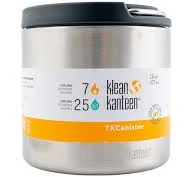
Klean Kanteen
Double Wall Vacuum Insulated Stainless Steel Food Canister Container with Leak Proof Lid
- Stainless steel body, silicone gasket lid seal
- The brand calls it PFAS-free, which we have not verified
- Silicone gasket degradation
3 hazards checked on this product. See all of them.
More lunch boxes grades
How we score, every product runs through the same public 0-100 rubric based on materials, coatings, brand disclosure, lab findings, and recalls. See the full methodology → Spotted a mistake? Report an error.