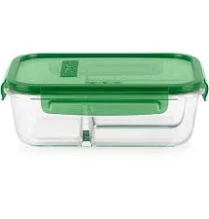
Pyrex MealBox Glass Food Storage Container
Low PFAS concern. Glass container, but verify plastic lid composition.
Pyrex MealBox is borosilicate glass with plastic lids. Glass itself poses lower concern, but plastic lid composition is not publicly disclosed. No PFAS claims from brand.
We flunk more products than we pass. This one earned its grade. How we grade
Material
borosilicate glass, plastic lids
Lab data
No public lab test
What Pyrex MealBox Glass Food Storage Container is made of, ingredients and materials
The container body is borosilicate glass, a thermal-shock-resistant formulation that does not leach metals or organic compounds into food under normal use. Borosilicate is chemically inert and stable across a wide temperature range. The concern shifts entirely to the plastic lids, Pyrex does not publicly specify the resin type (polypropylene, polycarbonate, or other), which determines exposure risk to BPA or phthalates if heated or stored with acidic foods.
What’s concerning
Category baseline
The starting point for this type of product, before anything specific to this product is counted.
No PFAS disclosure
No public statement from the brand about PFAS in this product.
BPA & bisphenols
Pyrex does not publicly disclose lid resin type or BPA-free status. Risk is present if lids contain polycarbonate or recycled plastic, and increases if containers are heated or hold acidic/fatty foods. Exposure through this product is lower than single-use plastic but not zero without verified lid composition.
Source, FDA ↗Microplastics
Repeated microwaving of lids (if user ignores guidance), thermal cycling, or mechanical wear can cause plastic to shed particles into food. This is a wear-over-time concern, not an acute risk, and is manageable through proper care and timely replacement.
Source, EPA ↗Thermal shock fracture
Borosilicate is resistant to thermal shock but not immune. Rapid temperature swings (hot oven to cold refrigerator) or impact can cause glass to shatter. This is a physical safety concern, not a chemical hazard, but relevant to product selection and handling.
Odor or flavor transfer from lid plastics
Some users report plastic odor or taste imparted to food, particularly with strong-smelling items. This suggests volatile off-gassing from the lid plastic, though it is not a documented acute toxicant and dissipates with time or replacement.
What’s reassuring
Bare uncoated material
Recorded as a bare, uncoated material with no surface coating or treatment.
Lead
Borosilicate glass does not use lead-bearing glazes or heavy-metal stabilizers in its base chemistry. No recalls or public reports of heavy-metal leaching from Pyrex borosilicate containers exist in available records.
Source, ATSDR ↗The full breakdown
The brand's record and disclosure
Pyrex (owned by Instant Brands) maintains no public statement on BPA, phthalates, or plastic composition in its food-storage lids. The brand has not faced major recalls for leaching or contamination in recent years. Transparency on lid material would strengthen confidence; absence of such disclosure is typical industry silence rather than a red flag specific to Pyrex.
How it compares in its category
Glass food-storage containers generally carry lower chemical hazard than plastic-only alternatives. Pyrex's borosilicate body is among the lowest-concern substrates in the category. However, many competitors (Rubbermaid Brilliance, Lock & Lock) now disclose that lids are BPA-free polypropylene, offering clearer assurance. Pyrex does not lead on transparency but does not lag on actual material choice.
If you buy it
Use glass containers for hot foods and liquids; cool them slightly before sealing with plastic lids to avoid thermal stress on plastic. Do not microwave the lid, and avoid storing acidic foods (citrus, vinegar, tomato) in direct contact with plastic for extended periods. Inspect lids annually for cracks, discoloration, or odor, which signal degradation. Replace lids if visible wear occurs, as degraded plastic may shed microparticles.
What we don’t know
- Basis
- Model estimate, 85% confidence, not a lab result
- Lab test
- None on record for this exact product
- Brand statement
- Pyrex has made a specific claim
Formulations change between production runs, so check the current label. How we grade.
Better-graded alternatives in Lunch Boxes
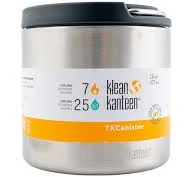
Klean Kanteen
Double Wall Vacuum Insulated Stainless Steel Food Canister Container with Leak Proof Lid
- Stainless steel body, silicone gasket lid seal
- The brand calls it PFAS-free, which we have not verified
- Silicone gasket degradation
3 hazards checked on this product. See all of them.
More lunch boxes grades
How we score, every product runs through the same public 0-100 rubric based on materials, coatings, brand disclosure, lab findings, and recalls. See the full methodology → Spotted a mistake? Report an error.