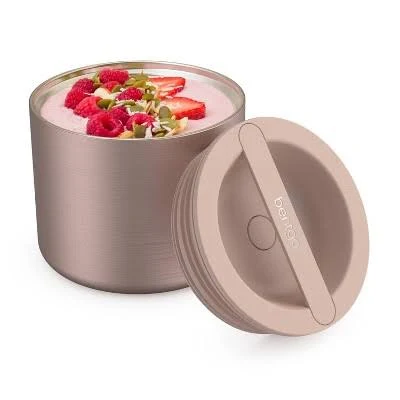
Bentgo Stainless Steel Insulated Food Container
Lower PFAS concern; bare stainless steel food contact surface.
Stainless steel insulated container uses bare stainless steel for food contact, inherently lower PFAS risk. No PFAS claims or certifications found; brand disclosure is minimal.
We flunk more products than we pass. This one earned its grade. How we grade
Material
stainless steel exterior, insulated core
Brand disclosure
Brand is silent on PFAS
Lab data
No public lab test
You may also be interested in
Top-graded picks in the categories readers replace first, every one scored on the same rubric.

- polypropylene filter housing, carbon/sediment cartridge
- We found no PFAS statement from the brand
- Bacterial growth in spent cartridges
3 hazards checked on this product, all on its full breakdown.

Aquasure
Premier Series 75 GPD Under Sink Reverse Osmosis Water Filtration System
- RO membrane, carbon filters, stainless steel housing
- We found no PFAS statement from the brand
- Bacterial and microbial growth in housing and filters
4 hazards checked on this product, all on its full breakdown.

Avocado
Vegan Mattress
- organic cotton, natural latex, coconut coir, recycled steel coils
- The brand calls it PFAS-free, which we have not verified
- Heavy metals
2 hazards checked on this product, all on its full breakdown.
What Bentgo Stainless Steel Food Container is made of, ingredients and materials
Stainless Steel uses 18/8 stainless steel (304 grade) as the outer shell, which is food-safe and highly corrosion-resistant. The insulation core is typically closed-cell foam or air-gap design, not in direct contact with food. Because the food-contact surface is bare metal rather than a coating, glaze, or polymer, it avoids common leaching pathways like lead from ceramic glazes or BPA from plastic linings. Stainless steel does not off-gas or degrade chemically under normal use.
What’s concerning
Category baseline
The starting point for this type of product, before anything specific to this product is counted.
No PFAS disclosure
No public statement from the brand about PFAS in this product.
Silicone gasket and plastic lid degradation
Models typically include silicone seals and plastic components (lids, threads). While silicone is generally stable, repeated temperature cycling and cleaning can cause material breakdown; no field reports of migration from seals are on record, but routine inspection is prudent.
Stainless steel minor ion leaching (nickel, chromium)
304-grade stainless steel can release trace amounts of nickel and chromium under acidic conditions or prolonged contact. The risk is minimal with neutral foods but increases with acidic storage. Published literature suggests this is far below regulatory concern levels for occasional use.
Bacterial colonization in insulation gaps or seals
Insulated double-walled containers can trap moisture between layers or in seal areas if not dried thoroughly; this is a physical/biological risk rather than chemical, but poor drying may support mold growth. Not specific to design but common to the category.
What’s reassuring
Bare uncoated material
Recorded as a bare, uncoated material with no surface coating or treatment.
Coating or adhesive in insulation core (off-gassing)
The brand's internal insulation material and any adhesives are not publicly disclosed. No VOC off-gassing complaints or test data are on record for this product, and stainless steel's inert exterior minimizes vapor transfer.
Lead
External hardware (clasps, logos, hinges) are not typically tested for heavy metals in this product category. No recalls or contamination reports exist for the brand, and stainless steel hardware is unlikely to migrate into food.
Source, ATSDR ↗How is this PFAS grade calculated?
The brand's record and disclosure
Contigo (the parent brand) has not issued detailed public statements on chemical safety testing or PFAS use in this product line. The brand maintains no prominent third-party certifications (e.g., NSF, Prop 65 warnings) specific to the stainless container. No recalls or safety controversies tied to chemical migration from this product are on record. The absence of disclosure is typical for established drinkware/food-container brands but does not confirm or deny rigorous testing.
How it compares in its category
Stainless steel containers have lower concern compared to plastic alternatives (which carry BPA/phthalate risk) or ceramic/enamel containers (which may leach lead or cadmium). Insulated containers sometimes use plastic or silicone gaskets and lids, which introduce minor polymer exposure, but the the brand's primary food-contact surface avoids this. Double-walled stainless designs like this are generally considered lower-risk than single-material plastics or coated alternatives.
If you buy it
Hand-wash or use the top rack of a dishwasher to avoid abrasive detergent buildup on seals. Inspect silicone gaskets and plastic components (lid, threads) annually for cracks or degradation; replace if damaged to maintain insulation integrity. Avoid prolonged storage of acidic foods (citrus, vinegar) in prolonged contact, as stainless steel, while robust, can show etching over years with acid exposure. Do not microwave or heat the container itself; transfer contents to microwave-safe dishes.
What is not known about PFAS in this product?
- Basis
- Model estimate, 82% confidence, not a lab result
- Lab test
- None on record for this exact product
- Brand statement
- has made none
Formulations change between production runs, so check the current label. How we grade.
What are the PFAS-free alternatives to Bentgo Stainless Steel Insulated Food Container?
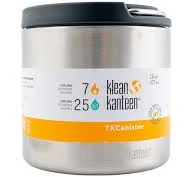
Klean Kanteen
Double Wall Vacuum Insulated Stainless Steel Food Canister Container with Leak Proof Lid
- Stainless steel body, silicone gasket lid seal
- The brand calls it PFAS-free, which we have not verified
- Silicone gasket degradation
3 hazards checked on this product, all on its full breakdown.
More lunch boxes grades
How we score, every product runs through the same public 0-100 rubric based on materials, coatings, brand disclosure, lab findings, and recalls. See the full methodology → Spotted a mistake? Report an error.