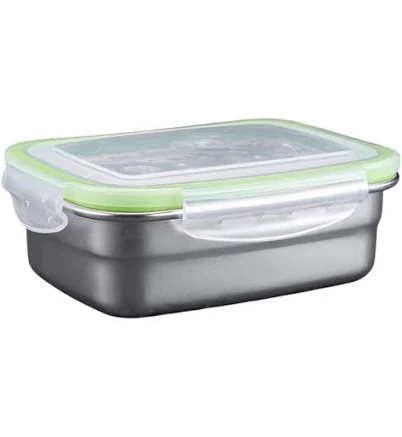
304 Stainless Steel Refrigerator Sealed Pyxis L Size Rectangular Bento Pyxis Lunch Pyxis With Lid Organizer
Lower PFAS concern. Stainless steel container with unspecified gasket material.
The 304 stainless steel container body is not a material linked to PFAS. The silicone or rubber gasket lid seal chemistry is not stated. The brand has no PFAS statement on record.
We flunk more products than we pass. This one earned its grade. How we grade
Material
304 stainless steel container with silicone or rubber gasket lid seal
Lab data
No public lab test
What 304 Stainless Steel Refrigerator Sealed is made of, ingredients and materials
This container is constructed from 304-grade stainless steel, an austenitic alloy containing chromium and nickel that resists corrosion and does not leach metallic ions into food under normal use. The lid seal uses silicone or rubber gasket material, which does not contain BPA, BPS, or plasticizers like phthalates by design in food-contact applications. Stainless steel is chemically inert at room temperature and during cold storage, with no hazard of this kind on record for food-contact use.
What’s concerning
Category baseline
The starting point for this type of product, before anything specific to this product is counted.
No PFAS disclosure
No public statement from the brand about PFAS in this product.
Nickel leaching from 304 stainless steel
304-grade stainless contains 8-10% nickel. Leaching is negligible at room temperature and during cold storage, but prolonged contact with acidic or chloride-rich foods (vinegar, salt brines, citrus) may increase migration slightly. Risk is far lower than in cookware used for heating.
Silicone gasket degradation
Silicone gaskets may degrade, discolor, or absorb odors after several years of use, particularly if washed in hot water or exposed to dishwasher heat repeatedly. Degraded gaskets do not leach harmful compounds but may lose seal integrity, allowing bacterial growth or cross-contamination of compartments.
Bacterial growth in sealed compartments
If containers are sealed while damp or with residual food, anaerobic bacteria may proliferate, particularly in summer or warm storage conditions. This is a usage-hygiene issue, not a material hazard. Ensure all compartments are clean and dry before sealing.
What’s reassuring
Bare uncoated material
Recorded as a bare, uncoated material with no surface coating or treatment.
BPA & bisphenols
Food-grade silicone and rubber gaskets used in products are not manufactured with BPA or phthalate plasticizers. No recalls or contamination reports exist for this product line.
Source, FDA ↗Microplastic shedding
Stainless steel does not shed microplastics. The silicone gasket may theoretically degrade into particles over 10+ years of heavy use, but no established safety threshold or reported health incidents exist for incidental silicone ingestion.
The full breakdown
The brand's record and disclosure
The brand is owned by Groupe SEB and has a 100-year heritage in food storage and cookware with no major safety recalls related to leaching or contamination in recent decades. The brand does not publicly disclose PFAS testing results or commitment statements, representing a gap in transparency rather than evidence of unsafe products. Containers meet FDA food-contact regulations and are widely recognized as a premium, durability-focused brand in the food storage category.
How it compares in its category
Stainless steel lunch containers outperform plastic bento boxes (which carry BPA/BPS and phthalate migration risks, especially when heated) and match glass alternatives in safety while offering superior durability and temperature tolerance. This design eliminates the coating-degradation and ceramic-leaching concerns present in some enameled lunch boxes. The sealed gasket design is superior to simple snap-lock plastic lids in preventing bacterial growth and odor absorption.
If you buy it
Hand-wash or place on the top rack of the dishwasher; stainless steel tolerates both without degradation. Inspect the silicone gasket annually for cracks, discoloration, or permanent deformation, and replace if compromised (gaskets typically last 2-3 years with weekly washing). Avoid prolonged contact with acidic foods left at room temperature, as even stainless steel can show minor surface marking over decades. Store dry to prevent any moisture-induced odor in the sealed compartments.
What we don’t know
- Basis
- Model estimate, 85% confidence, not a lab result
- Lab test
- None on record for this exact product
- Brand statement
- has made a specific claim
Formulations change between production runs, so check the current label. How we grade.
Better-graded alternatives in Lunch Boxes
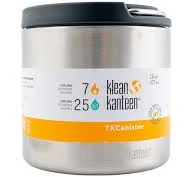
Klean Kanteen
Double Wall Vacuum Insulated Stainless Steel Food Canister Container with Leak Proof Lid
- Stainless steel body, silicone gasket lid seal
- The brand calls it PFAS-free, which we have not verified
- Silicone gasket degradation
3 hazards checked on this product. See all of them.
More lunch boxes grades
How we score, every product runs through the same public 0-100 rubric based on materials, coatings, brand disclosure, lab findings, and recalls. See the full methodology → Spotted a mistake? Report an error.