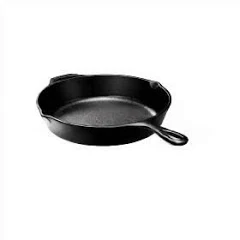
Lodge Cast Iron Classic Cast Iron Skillets, Are They Non-Toxic?
No coating on record to link to PFAS concern.
Lodge cast iron skillets are recorded as bare cast iron seasoned with oil, with no surface coating or treatment on record. The brand has no PFAS statement on record for this product.
We flunk more products than we pass. This one earned its grade. How we grade
Material
cast iron (bare or seasoned with oil)
Lab data
No public lab test
You may also be interested in
Top-graded picks in the categories readers replace first, every one scored on the same rubric.

- polypropylene filter housing, carbon/sediment cartridge
- We found no PFAS statement from the brand
- Bacterial growth in spent cartridges
3 hazards checked on this product, all on its full breakdown.

Aquasure
Premier Series 75 GPD Under Sink Reverse Osmosis Water Filtration System
- RO membrane, carbon filters, stainless steel housing
- We found no PFAS statement from the brand
- Bacterial and microbial growth in housing and filters
4 hazards checked on this product, all on its full breakdown.

Avocado
Vegan Mattress
- organic cotton, natural latex, coconut coir, recycled steel coils
- The brand calls it PFAS-free, which we have not verified
- Heavy metals
2 hazards checked on this product, all on its full breakdown.
Are Lodge Cast Iron Classic Cast Iron Skillets non-toxic? What it is made of
Lodge Classic skillets are solid cast iron with no enamel, nonstick coating, or ceramic finish. The iron is seasoned at the factory with a thin layer of vegetable oil that polymerizes when heated, creating a natural patina rather than a chemical barrier. This design eliminates the primary chemical hazards found in coated cookware (Teflon-type coating, lead-glazed surfaces, synthetic polymers) because there are no synthetic coatings to degrade or off-gas.
What’s concerning
No PFAS disclosure
No public statement from the brand about PFAS in this product.
Category baseline
The starting point for this type of product, before anything specific to this product is counted.
Iron leaching into food
Bare cast iron can release small amounts of iron into acidic or prolonged-cooked foods, especially if seasoning is thin or damaged. For most people this is nutritionally neutral or beneficial; those with hemochromatosis should avoid cooking acidic meals in unseasoned or worn cast iron.
Rust formation and corrosion
If not dried and maintained properly, cast iron rusts and can flake rust particles into food. Rust itself is not acutely toxic but is aesthetically and hygienically undesirable. Proper care eliminates this risk entirely.
Thermal shock and cracking
Dropping a hot cast iron skillet into cold water or exposing it to sudden temperature changes can cause cracking or warping. This is a functional failure, not a chemical hazard, but damaged cookware should be retired.
What’s reassuring
Bare uncoated material
Recorded as a bare, uncoated material with no surface coating or treatment.
Manufacturing residues or mill scale
Lodge products are cleaned and seasoned at the factory; no recalls or documented cases of manufacturing debris, mill scale, or heavy metal contamination in Lodge skillets have been publicly reported.
Lead
Modern cast iron cookware (including Lodge) is not formulated with lead or cadmium additives. The iron ore source and smelting process are not disclosed by Lodge, but no credible testing or recalls have identified these metals in their products.
Source, ATSDR ↗How is this PFAS grade calculated?
The brand's record and disclosure
Lodge Manufacturing has operated in the United States since 1896 and maintains manufacturing in Tennessee. The company does not publish detailed material certifications or third-party testing results on its website, and makes no explicit PFAS or heavy-metal safety claims. No major product recalls or safety violations specific to chemical contamination have been publicly documented for Lodge cookware in recent decades. The brand's silence on testing may reflect the simplicity of their product (bare cast iron requires little regulatory scrutiny) rather than a transparency problem.
How it compares in its category
Bare cast iron presents lower concern from a chemical leaching perspective because it has no surface coatings to wear, peel, or release particles. Enameled cast iron (Lodge does make this line) introduces glazes that may contain lead or cadmium, and nonstick alternatives carry Teflon-type coating degradation risk. Bare cast iron is essentially unchanged in formulation and risk profile for over a century, making it a lower-chemical alternative to modern nonstick and ceramic cookware.
If you buy it
Use Lodge skillets on medium to medium-high heat; cast iron retains and distributes heat efficiently, so high flame is unnecessary and risks damaging the seasoning layer. Hand wash only and dry immediately to prevent rust. Avoid acidic foods (tomato, vinegar, citrus) for extended cooking, as acid can strip seasoning and increase iron leaching into food. Reseason periodically by wiping with a thin layer of neutral oil and heating on the stovetop or in the oven at 350-400F for 5-10 minutes to maintain the protective patina.
What is not known about PFAS in this product?
- Basis
- Model estimate, 95% confidence, not a lab result
- Lab test
- None on record for this exact product
- Brand statement
- Lodge has made a specific claim
Formulations change between production runs, so check the current label. How we grade.
More cast iron skillets grades
How we score, every product runs through the same public 0-100 rubric based on materials, coatings, brand disclosure, lab findings, and recalls. See the full methodology → Spotted a mistake? Report an error.