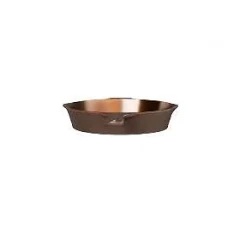
Smithey No. 10 Cast Iron Skillet, Is It Non-Toxic?
Low risk, traditional cast iron has no PFAS-prone coatings.
Smithey's No. 10 is bare cast iron seasoned with oil, a risk category lower than nonstick cookware. The material has no known Teflon-family coating or water-repellent treatments.
We flunk more products than we pass. This one earned its grade. How we grade
Material
Cast iron, seasoned with oil
Brand disclosure
Brand is silent on PFAS
Lab data
No public lab test
You may also be interested in
Top-graded picks in the categories readers replace first, every one scored on the same rubric.

- polypropylene filter housing, carbon/sediment cartridge
- We found no PFAS statement from the brand
- Bacterial growth in spent cartridges
3 hazards checked on this product, all on its full breakdown.

Aquasure
Premier Series 75 GPD Under Sink Reverse Osmosis Water Filtration System
- RO membrane, carbon filters, stainless steel housing
- We found no PFAS statement from the brand
- Bacterial and microbial growth in housing and filters
4 hazards checked on this product, all on its full breakdown.

Avocado
Vegan Mattress
- organic cotton, natural latex, coconut coir, recycled steel coils
- The brand calls it PFAS-free, which we have not verified
- Heavy metals
2 hazards checked on this product, all on its full breakdown.
Is Smithey No. 10 Cast Iron Skillet non-toxic? What it is made of
Smithey No. 10 is solid cast iron with an applied oil-based seasoning layer, not an enamel or synthetic nonstick coating. Cast iron itself is inert under normal cooking conditions and does not degrade into the food. The seasoning is a polymerized oil layer that hardens through heat and repeated use, chemically distinct from applied enamel glazes or Teflon-type coating nonstick surfaces that carry known leaching risks.
What’s concerning
Category baseline
The starting point for this type of product, before anything specific to this product is counted.
No PFAS disclosure
No public statement from the brand about PFAS in this product.
Iron leaching into food
Cast iron naturally leaches trace iron during cooking, especially with acidic foods. This is generally nutritionally benign or beneficial for most consumers but should be considered by those with hemochromatosis or iron-overload disorders.
Seasoning degradation and rust
If seasoning is not maintained through regular oiling and use, bare cast iron can rust. Rust itself is not a direct toxin but indicates loss of the protective layer; worn or heavily oxidized cookware should be reseasoned or replaced.
What’s reassuring
Bare uncoated material
Recorded as a bare, uncoated material with no surface coating or treatment.
Lead
Vintage cast iron can contain lead in certain enameled coatings or from legacy smelting practices. Smithey is a modern manufacturer using contemporary foundry standards; no lead or cadmium contamination has been documented in their products.
Source, ATSDR ↗Coating applied to handle or exterior
Smithey cast iron skillets have uncoated handles and exteriors. No synthetic finishes, varnishes, or paint are applied to this product that could off-gas or degrade.
How is this PFAS grade calculated?
The brand's record and disclosure
Smithey is a premium US cookware maker with a reputation for hand-finished cast iron and transparency about materials and sourcing. The company does not publicly disclose PFAS testing or certifications for its products, and maintains a largely silent stance on chemical safety beyond traditional cast iron practice. No recalls, contamination reports, or documented chemical safety incidents are on record for this product line.
How it compares in its category
Traditional cast iron skillets like this Smithey piece avoid the hazard profile of enameled cast iron (lead or cadmium in glazes), ceramic nonstick (coating degradation), and Teflon-type coating nonstick (fume risk above 500°F). Hand-seasoned cast iron is the simplest category design and carries the lowest chemical complexity in the cookware market, though it requires active maintenance.
If you buy it
Season and maintain regularly with food-grade oil to preserve the seasoning layer and prevent rust; avoid prolonged soaking or dishwasher use. Cast iron can leach small amounts of dietary iron, which is nutritionally beneficial for most people but should be monitored by those with iron-overload conditions. Do not heat empty above 500°F as seasoning can break down; typical stovetop and oven use poses no hazard. Replace only if the cooking surface becomes severely pitted or cracked.
What is not known about PFAS in this product?
- Basis
- Model estimate, 92% confidence, not a lab result
- Lab test
- None on record for this exact product
- Brand statement
- Smithey has made none
Formulations change between production runs, so check the current label. How we grade.
More cast iron skillets grades
How we score, every product runs through the same public 0-100 rubric based on materials, coatings, brand disclosure, lab findings, and recalls. See the full methodology → Spotted a mistake? Report an error.