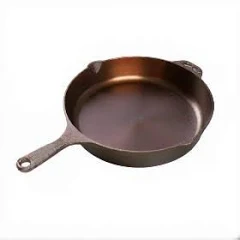
Smithey Ironware Company Cast Iron Skillet No. 12, Is It Non-Toxic?
Bare cast iron seasoned with vegetable oil, with no coating on record.
Smithey's No. 12 is solid cast iron seasoned with vegetable oil, not synthetic nonstick coatings. Cast iron cookware has no known PFAS risk.
We flunk more products than we pass. This one earned its grade. How we grade
Material
Cast iron, pre-seasoned with vegetable oil
Brand disclosure
Brand is silent on PFAS
Lab data
No public lab test
You may also be interested in
Top-graded picks in the categories readers replace first, every one scored on the same rubric.

- polypropylene filter housing, carbon/sediment cartridge
- We found no PFAS statement from the brand
- Bacterial growth in spent cartridges
3 hazards checked on this product, all on its full breakdown.

Aquasure
Premier Series 75 GPD Under Sink Reverse Osmosis Water Filtration System
- RO membrane, carbon filters, stainless steel housing
- We found no PFAS statement from the brand
- Bacterial and microbial growth in housing and filters
4 hazards checked on this product, all on its full breakdown.

Avocado
Vegan Mattress
- organic cotton, natural latex, coconut coir, recycled steel coils
- The brand calls it PFAS-free, which we have not verified
- Heavy metals
2 hazards checked on this product, all on its full breakdown.
Is Smithey Ironware Company Iron Skillet No. non-toxic? What it is made of
Smithey No. 12 is solid cast iron with a factory vegetable-oil seasoning layer. Cast iron itself is biologically inert and does not leach harmful chemicals into food under normal cooking conditions, even at high heat. The pre-applied seasoning is a thin polymerized oil layer that builds over time with use and creates a natural non-stick surface without synthetic coatings, polymers, or fluorinated chemicals.
What’s concerning
No PFAS disclosure
No public statement from the brand about PFAS in this product.
Category baseline
The starting point for this type of product, before anything specific to this product is counted.
Iron leaching
Unseasoned or poorly maintained cast iron can release small amounts of dissolved iron into acidic foods (tomato sauce, wine-based dishes). For most people this is nutritionally neutral or beneficial; those with hemochromatosis should limit cast-iron cookware. Smithey's pre-seasoning reduces this risk.
Thermal shock and fracture
Cast iron can crack if exposed to rapid temperature changes (e.g., a cold liquid poured into a hot skillet). This is a physical hazard, not a chemical one, but results in sharp edges and loss of structural integrity. Avoid thermal stress by allowing the pan to cool gradually.
Seasoning degradation over time
The vegetable-oil seasoning layer can wear away with aggressive scrubbing or dishwasher use, exposing bare iron. Once exposed, the pan requires re-seasoning; bare cast iron does not pose a safety risk but loses non-stick properties and is more prone to rust.
What’s reassuring
Bare uncoated material
Recorded as a bare, uncoated material with no surface coating or treatment.
Heavy metals
Cast iron from reputable manufacturers like Smithey is smelted from standard iron ore with no documented lead or cadmium accumulation. Smithey does not disclose specific ore sourcing, but no recalls or contamination reports exist for their products.
Source, FDA ↗Coating degradation and flaking (non-applicable)
Smithey skillets have no synthetic enamel, ceramic, or non-stick coating, so coating flaking is not a hazard. The seasoning is a natural polymer layer that bonds chemically to the iron surface and does not chip or peel in the manner of enameled cookware.
How is this PFAS grade calculated?
The brand's record and disclosure
Smithey is a U.S.-based cookware manufacturer with a transparent business model and consistent focus on traditional cast-iron methods. The company does not claim third-party certifications but publishes production details and material sourcing on its website. No recalls, PFOA contamination reports, or coating-degradation complaints have been documented for Smithey cast iron products in public safety databases.
How it compares in its category
Cast iron skillets like this eliminate hazards present in non-stick (Teflon-type coating/PFOA) and ceramic-coated cookware, which carry heating risks and potential coating flaking. Smithey's hand-finished approach and heirloom design place it in the premium segment; it is more expensive than mass-produced cast iron but comparable in material safety to other bare or traditionally seasoned cast-iron brands. The main trade-off versus non-stick is slightly longer heating time and the need for re-seasoning maintenance.
If you buy it
Cure the skillet with oil and heat before first use per Smithey's instructions to strengthen the seasoning. Avoid prolonged soaking and use gentle hand-washing after cooking; dishwasher use will strip seasoning. Cast iron can be used at any stovetop temperature and oven heat without coating failure. Re-season annually or as needed if dark, smooth finish begins to appear dull or sticky food residue accumulates; the skillet will last decades and improve with age.
What is not known about PFAS in this product?
- Basis
- Model estimate, 92% confidence, not a lab result
- Lab test
- None on record for this exact product
- Brand statement
- Smithey has made none
Formulations change between production runs, so check the current label. How we grade.
More cast iron skillets grades
How we score, every product runs through the same public 0-100 rubric based on materials, coatings, brand disclosure, lab findings, and recalls. See the full methodology → Spotted a mistake? Report an error.