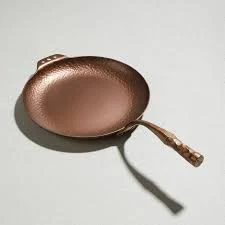
Smithey 12" Cast Iron Skillet, Is It Non-Toxic?
Low risk, traditional cast iron requires no fluorochemical treatment.
Smithey's 12" cast iron skillet features cast iron with natural seasoning, not a coated nonstick product. Cast iron requires no PFAS-based treatments to function.
The better-graded swap
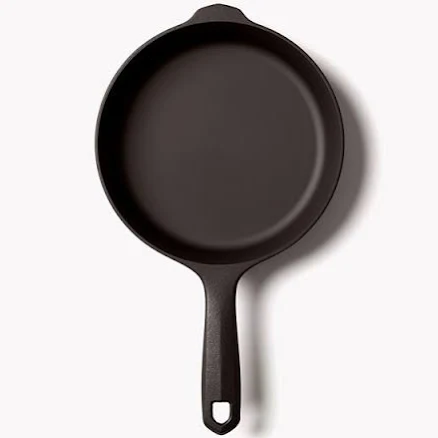
Field Company
Field Company Cast Iron Skillet No. 4
75/100 safety
Same rubric that flunked this product. The swap earned Excellent.
Still want this one anyway? Check the price on Amazon. We’d swap it.
Material
Cast iron, seasoned with oil
Brand disclosure
Brand is silent on PFAS
Lab data
No public lab test
You may also be interested in
Top-graded picks in the categories readers replace first, every one scored on the same rubric.

- polypropylene filter housing, carbon/sediment cartridge
- We found no PFAS statement from the brand
- Bacterial growth in spent cartridges
3 hazards checked on this product, all on its full breakdown.

Aquasure
Premier Series 75 GPD Under Sink Reverse Osmosis Water Filtration System
- RO membrane, carbon filters, stainless steel housing
- We found no PFAS statement from the brand
- Bacterial and microbial growth in housing and filters
4 hazards checked on this product, all on its full breakdown.

Avocado
Vegan Mattress
- organic cotton, natural latex, coconut coir, recycled steel coils
- The brand calls it PFAS-free, which we have not verified
- Heavy metals
2 hazards checked on this product, all on its full breakdown.
Is Smithey 12" Cast Iron Skillet non-toxic? What it is made of
Smithey's 12-inch skillet is cast iron, a brittle ferrous alloy that does not leach toxic chemicals into food under normal cooking conditions. The cooking surface is seasoned with food-grade oil (polymerized fat), not applied chemical coatings, so there is no risk of synthetic coating degradation, Teflon-type coating fumes, or fluorochemical leaching. Cast iron's inert chemistry and thermal mass mean it is not a material linked to PFAS concerns, provided the seasoning is maintained.
What’s concerning
Category baseline
The starting point for this type of product, before anything specific to this product is counted.
No PFAS disclosure
No public statement from the brand about PFAS in this product.
Iron leaching into acidic foods
Cast iron can release small amounts of dietary iron into highly acidic foods (citrus, tomatoes, vinegar) during prolonged cooking. This is not a chemical toxicity hazard but a mineral transfer; for most people it adds dietary iron, though those with iron-overload disorders should cook acidic foods sparingly in cast iron.
Bacterial growth in seasoning layer or rust pits
Improperly dried cast iron or storage in damp conditions can develop surface rust or mold in the porous seasoning layer, posing a food contamination risk rather than a chemical hazard. Regular drying and storage in a dry environment mitigates this entirely.
What’s reassuring
Bare uncoated material
Recorded as a bare, uncoated material with no surface coating or treatment.
Seasoning oil degradation or oxidation
The polymerized oil coating on Smithey skillets is food-grade and stable; no known leaching of oxidized oil compounds or rancid byproducts into food has been reported for properly maintained cast iron from this brand.
Lead
Modern cast iron skillets sourced and manufactured in regulated facilities (Smithey's exact sourcing is not transparently disclosed but the brand operates in the US market) are not known to contain lead or cadmium; cast iron raw material is inherently low-risk for these contaminants compared to some ceramic or vintage cookware.
Source, ATSDR ↗How is this PFAS grade calculated?
The brand's record and disclosure
Smithey is a direct-to-consumer cast iron manufacturer known for high-quality handcrafted skillets but provides minimal public safety documentation or third-party certifications. The brand does not prominently disclose manufacturing practices, supply-chain sourcing, or chemical testing results. No recalls, contamination incidents, or safety controversies are on record for Smithey cast iron products in widely available sources.
How it compares in its category
Traditional cast iron skillets like Smithey's present lower concern than non-stick cookware (which uses Teflon-type coating or alternative coatings that can degrade), enameled cast iron (which can chip and expose underlying metal), and many stainless steel or aluminum alternatives. Cast iron's main trade-off is durability of the seasoning layer and iron maintenance rather than chemical hazard; high-end artisanal cast iron commands premium prices but offers no additional safety advantages over budget cast iron in terms of material chemistry.
If you buy it
Use the skillet on moderate to high heat without concern for coating failure or chemical fume release. Wash by hand with minimal soap and water, dry immediately, and reseason periodically with a thin oil layer (vegetable, canola, or specialized cast iron oil) to prevent rust and maintain the non-stick surface. Avoid prolonged acidic foods (tomatoes, vinegar, wine) on bare or newly seasoned cast iron, as these can strip seasoning; this is inconvenience, not a safety hazard. Replace only if the cooking surface becomes severely pitted or warped, which is rare.
What is not known about PFAS in this product?
- Basis
- Model estimate, 92% confidence, not a lab result
- Lab test
- None on record for this exact product
- Brand statement
- Smithey has made none
Formulations change between production runs, so check the current label. How we grade.
More cast iron skillets grades
How we score, every product runs through the same public 0-100 rubric based on materials, coatings, brand disclosure, lab findings, and recalls. See the full methodology → Spotted a mistake? Report an error.