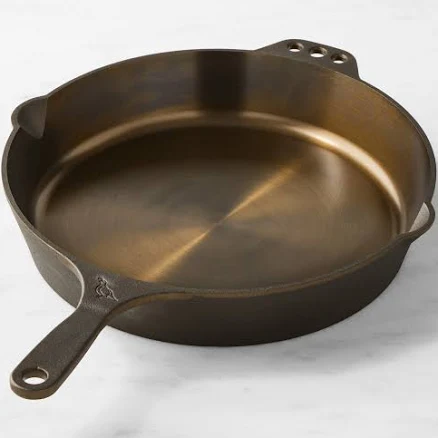
Smithey Ironware Co Cast Iron Skillet No 12, Is It Non-Toxic?
Low risk, traditional cast iron with no PFAS-prone coatings.
Smithey's No. 12 is bare cast iron seasoned with oil, not a nonstick or coated product. Cast iron is a well-established material with no Teflon-family coating.
We flunk more products than we pass. This one earned its grade. How we grade
Material
Cast iron, seasoned with oil
Brand disclosure
Brand is silent on PFAS
Lab data
No public lab test
You may also be interested in
Top-graded picks in the categories readers replace first, every one scored on the same rubric.

- polypropylene filter housing, carbon/sediment cartridge
- We found no PFAS statement from the brand
- Bacterial growth in spent cartridges
3 hazards checked on this product, all on its full breakdown.

Aquasure
Premier Series 75 GPD Under Sink Reverse Osmosis Water Filtration System
- RO membrane, carbon filters, stainless steel housing
- We found no PFAS statement from the brand
- Bacterial and microbial growth in housing and filters
4 hazards checked on this product, all on its full breakdown.

Avocado
Vegan Mattress
- organic cotton, natural latex, coconut coir, recycled steel coils
- The brand calls it PFAS-free, which we have not verified
- Heavy metals
2 hazards checked on this product, all on its full breakdown.
Is Smithey Ironware Co Cast Iron Skillet No non-toxic? What it is made of
Smithey No. 12 skillets are cast iron with a factory oil seasoning layer. Cast iron is an inert material that does not leach chemicals into food under normal cooking conditions; the seasoning is simply polymerized oil, not a synthetic polymer coating that can degrade or release fumes. Unlike non-stick cookware, cast iron has no Teflon-type coating or other fluorinated coatings, eliminating fume risk even if overheated.
What’s concerning
No PFAS disclosure
No public statement from the brand about PFAS in this product.
Category baseline
The starting point for this type of product, before anything specific to this product is counted.
Iron leaching at low pH
Acidic foods (citrus, tomato, vinegar) can dissolve small amounts of iron from unsealed or newly stripped cast iron. This is not a toxicity hazard (iron is essential) but may affect taste and food color; risk is minimal with proper seasoning maintenance.
Thermal degradation of seasoning
Prolonged exposure to very high heat (above 450F) can degrade the polymerized oil layer, exposing bare iron and requiring re-seasoning. This is a maintenance issue, not a chemical safety hazard.
Rust and corrosion if neglected
Inadequate drying or storage in humid environments allows rust formation, which can be ingested if not cleaned off before cooking. Regular maintenance prevents this entirely.
What’s reassuring
Bare uncoated material
Recorded as a bare, uncoated material with no surface coating or treatment.
Seasoning oil composition
Smithey does not publicly disclose the specific oil blend used in factory seasoning. Standard practice uses refined vegetable oils (soybean, canola) or mineral oil, none of which pose known hazards at the polymerized state.
How is this PFAS grade calculated?
The brand's record and disclosure
Smithey Ironware Co. is a US-based artisanal manufacturer focused on cast iron production. The brand does not publish extensive third-party certifications or detailed chemical disclosures for its seasoning oils, which is typical for legacy cast iron makers. No recalls, safety controversies, or reports of hazardous coatings have been established in public sources for Smithey cast iron products.
How it compares in its category
Cast iron skillets like Smithey's represent lower concern from a chemical-leaching perspective because they lack synthetic coatings. Compared to ceramic non-stick (which may have lead in glazes), Teflon-type coating non-stick (fume risk), or enameled cast iron (chipping risk and potential lead in enamel), plain seasoned cast iron eliminates those concerns. Smithey's hand-finished approach is consistent with premium cast iron producers (Lodge, Le Creuset uncoated) but typically carries no special safety advantage.
If you buy it
Maintain the seasoning by wiping with oil after washing and drying completely to prevent rust and preserve the non-stick layer. Avoid prolonged soaking, acidic foods (tomato, vinegar) on unseasoned sections, and overheating beyond normal stovetop temperatures, which can damage the seasoning bond. The skillet will develop a patina over years of use; re-seasoning is simple and requires no special products. Replace only if the cooking surface becomes deeply pitted or the handle develops structural cracks.
What is not known about PFAS in this product?
- Basis
- Model estimate, 92% confidence, not a lab result
- Lab test
- None on record for this exact product
- Brand statement
- Smithey has made none
Formulations change between production runs, so check the current label. How we grade.
More cast iron skillets grades
How we score, every product runs through the same public 0-100 rubric based on materials, coatings, brand disclosure, lab findings, and recalls. See the full methodology → Spotted a mistake? Report an error.