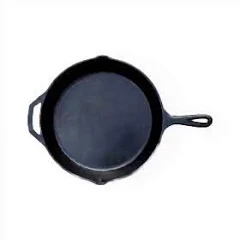
Lodge Cast Iron Skillet Pan 6", Is It Non-Toxic?
Low risk, bare cast iron with traditional seasoning, no Teflon-family coating coatings.
Lodge cast iron skillets use bare cast iron seasoned with vegetable oil, not synthetic nonstick coatings. Cast iron does not contain PFAS.
We flunk more products than we pass. This one earned its grade. How we grade
Material
cast iron, seasoned with oil
Lab data
No public lab test
You may also be interested in
Top-graded picks in the categories readers replace first, every one scored on the same rubric.

- polypropylene filter housing, carbon/sediment cartridge
- We found no PFAS statement from the brand
- Bacterial growth in spent cartridges
3 hazards checked on this product, all on its full breakdown.

Aquasure
Premier Series 75 GPD Under Sink Reverse Osmosis Water Filtration System
- RO membrane, carbon filters, stainless steel housing
- We found no PFAS statement from the brand
- Bacterial and microbial growth in housing and filters
4 hazards checked on this product, all on its full breakdown.

Avocado
Vegan Mattress
- organic cotton, natural latex, coconut coir, recycled steel coils
- The brand calls it PFAS-free, which we have not verified
- Heavy metals
2 hazards checked on this product, all on its full breakdown.
Is Lodge Cast Iron Skillet Pan 6" non-toxic? What it is made of
This skillet is solid cast iron, a ferrous alloy that has been used for cookware for centuries. Lodge seasons it with a vegetable oil blend during manufacturing, creating a non-stick surface through polymerization rather than synthetic coatings. Cast iron itself does not leach harmful substances under normal cooking conditions; the oil seasoning is food-grade and burns into a stable polymer layer. The 6-inch size is small and durable, with no enameled or ceramic coating that could crack and expose underlying material.
What’s concerning
No PFAS disclosure
No public statement from the brand about PFAS in this product.
Category baseline
The starting point for this type of product, before anything specific to this product is counted.
Iron leaching
Unseasoned or damaged cast iron can release iron into acidic foods (tomato-based, vinegar, wine). This is not acutely toxic but can impart taste and add iron beyond dietary need. Proper seasoning and maintenance minimize this risk to negligible levels for most users.
Rust and oxidation
If the skillet is not dried and oiled after each use, rust can develop on bare patches. Rust itself is iron oxide and not acutely poisonous in small amounts, but visible rust indicates loss of the seasoning barrier and should trigger re-seasoning.
Coating degradation (seasoning loss)
The oil seasoning layer can wear off with acidic cooking or aggressive scrubbing, exposing bare iron. This is not a chemical hazard but increases iron leaching and requires user maintenance (re-seasoning). It is not a manufacturing defect but a predictable wear pattern.
What’s reassuring
Bare uncoated material
Recorded as a bare, uncoated material with no surface coating or treatment.
Lead
Cast iron feedstock is typically recycled scrap iron and rarely contains measurable lead or cadmium. No independent testing or recalls of Lodge cast iron have documented heavy metal contamination in the alloy itself. Risk is negligible for modern manufacturers meeting US metal purity standards.
Source, ATSDR ↗Oil seasoning rancidity
The initial factory seasoning is a food-grade oil blend that polymerizes during manufacturing and remains stable. User-applied oils used for maintenance can theoretically oxidize if left in a warm, moist environment, but this occurs on the exterior surface and does not affect food contact safety during normal storage and use.
How is this PFAS grade calculated?
The brand's record and disclosure
Lodge is a US-based cast iron manufacturer with over 130 years of continuous operation and no published safety controversies or product recalls related to chemical leaching or coating failure. The company does not publicly emphasize PFAS avoidance (because bare cast iron does not use PFOA or Teflon-type coating), but this absence of Teflon-family coating technology is inherent to their product design. No independent testing has flagged Lodge cast iron for heavy metal or contaminant issues. The brand's longevity and market dominance suggest consistent manufacturing and quality control.
How it compares in its category
Traditional seasoned cast iron like Lodge's is the baseline safety profile for the skillet category. Enameled cast iron (e.g., Le Creuset) adds a ceramic/enamel layer that can contain lead or cadmium in glazes, posing a higher inspection burden. Non-stick coated skillets (Teflon-type coating or ceramic brands) introduce fume risk if overheated and coating degradation concerns. Lodge's approach avoids all of those by staying with bare iron and oil seasoning, making it one of the lowest-chemical-input options available.
If you buy it
Season and maintain the skillet regularly by wiping with a thin layer of neutral oil after each use to keep the seasoning layer intact and prevent rust. Avoid prolonged soaking or dishwasher use, which strip seasoning and expose bare iron to rust. The skillet can handle stovetop temperatures up to high flame and oven use at any temperature; there are no coating failure risks. Hand-wash with hot water and minimal soap, dry immediately, and re-oil lightly; this upkeep is minimal but essential for longevity and food contact safety.
What is not known about PFAS in this product?
- Basis
- Model estimate, 92% confidence, not a lab result
- Lab test
- None on record for this exact product
- Brand statement
- Lodge has made a specific claim
Formulations change between production runs, so check the current label. How we grade.
More cast iron skillets grades
How we score, every product runs through the same public 0-100 rubric based on materials, coatings, brand disclosure, lab findings, and recalls. See the full methodology → Spotted a mistake? Report an error.