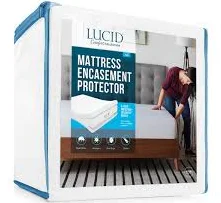
LUCID Comfort Collection Encasement Mattress Protector
Skip until Lucid discloses coating details or certifies PFAS-free status.
Lucid's Comfort Collection features water and stain resistance typical of consumer bedding, but the brand stays silent on coating composition. Mattress protectors frequently rely on fluorinated compounds.
The better-graded swap
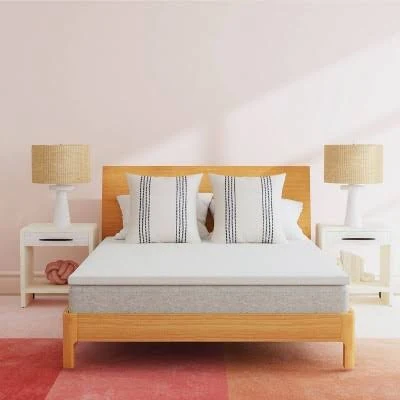
Casper
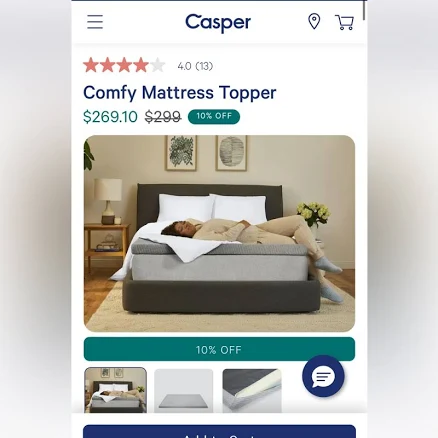
Casper Sleep Essential Mattress Topper
75/100 safety
Same rubric that flunked this product. The swap earned Excellent.
Still want this one anyway? Check the price on Amazon. We’d swap it.
Material
Polyurethane/polyester blend with water- and stain-resistant coating
Brand disclosure
Brand is silent on PFAS
Lab data
No public lab test
Is LUCID Comfort Collection Encasement non-toxic? What it is made of
This protector is a polyurethane/polyester blend with an applied water- and stain-resistant coating. Polyurethane itself is generally stable in mattress applications when kept at room temperature. The coating is the concern, Lucid does not publicly specify whether it contains PFAS (fluorochemicals), which are the industry standard for durable water repellency in textiles. Without disclosure, you cannot rule out long-term exposure to these persistent chemicals.
What’s concerning
Category baseline
The starting point for this type of product, before anything specific to this product is counted.
No PFAS disclosure
No public statement from the brand about PFAS in this product.
Waterproof / stain-resistant treatment
Water-repellent coating treatments have historically used PFAS.
PFAS
Water and stain-resistant coatings on textiles commonly use PFAS. Lucid's silence on coating chemistry and lack of PFAS-free certification makes presence of these fluorochemicals probable, though not confirmed.
Source, ATSDR ↗Polyurethane off-gassing and thermal degradation
Polyurethane can release volatile organic compounds (VOCs) and break down when exposed to sustained heat or UV. Normal mattress use at room temperature carries minimal risk, but machine drying on high heat or direct sunlight may trigger degradation.
Microplastics
Polyurethane coatings can degrade and shed microparticles over years of use and washing. This is a recognized issue in synthetic textiles but occurs at low levels during normal care; risk is reduced by cool washing and air drying.
Source, EPA ↗Mold and bacterial growth if moisture trapped
Any impermeable or semi-permeable protector can trap moisture between mattress and covering if not dried promptly. Ensure the mattress beneath dries fully after spills or washing, especially in humid climates.
What’s reassuring
Formaldehyde / VOCs
Polyester fibers themselves do not typically contain formaldehyde, but finishing treatments on textiles sometimes do. No documented reports of formaldehyde issues in Lucid mattress protectors; this hazard class applies to the general category but is not established for this product.
Source, ATSDR ↗The full breakdown
The brand's record and disclosure
Lucid has not published detailed material safety disclosures or third-party certifications (OEKO-TEX, GOTS, or similar) for this product line as of available public records. The brand maintains a silent stance on PFAS use, which is common in the bedding industry but signals lack of transparency. No recalls or major safety controversies involving this specific protector model are documented. This absence of disclosure is the primary red flag.
How it compares in its category
Most mattress encasement protectors rely on coating chemistry to achieve water and stain resistance. Lucid's polyurethane/polyester blend is typical for the mid-market segment. Some competitors (e.g., certified organic or PFAS-free labeled protectors) do exist but command higher prices. Standard encasements like this one occupy the middle ground, affordable but reliant on undisclosed treatments.
If you buy it
Wash only in cool water (under 60°C/140°F) to avoid degrading the polyurethane coating and minimize any off-gassing. Replace every 3 to 5 years or when the water-resistance noticeably fails, whichever comes first. Do not machine dry on high heat; air dry or use a low-heat setting. Store in a breathable, cool location to prevent mold and coating deterioration.
What we don’t know
- Basis
- Model estimate, 45% confidence, not a lab result
- Lab test
- None on record for this exact product
- Brand statement
- Lucid has made none
Formulations change between production runs, so check the current label. How we grade.
Better-graded alternatives in Mattress Protectors
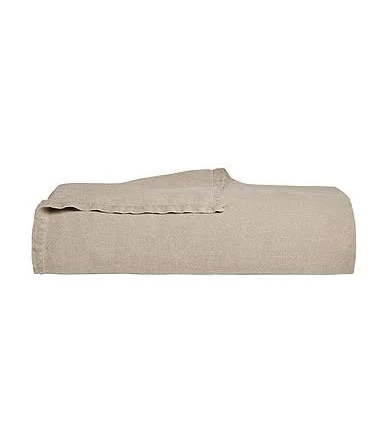
Parachute
Vintage Linen Bed Cover
- 100% linen, no reported coating
- We found no PFAS statement from the brand
- Heavy metals
3 hazards checked on this product. See all of them.
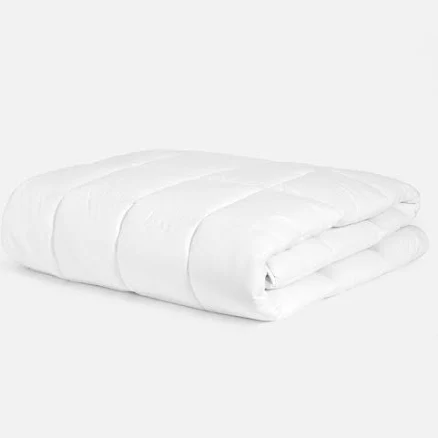
Brooklinen
Down Alternative Mattress Topper
- polyester down-alternative filling
- We found no PFAS statement from the brand
- Azo dyes and colorant migration
4 hazards checked on this product. See all of them.
Casper
Sleep Comfy Mattress Topper
- Polyurethane foam, cotton/polyester blend cover
- We found no PFAS statement from the brand
- Volatile Organic Compound (VOC) off-gassing
3 hazards checked on this product. See all of them.
More mattress protectors grades
How we score, every product runs through the same public 0-100 rubric based on materials, coatings, brand disclosure, lab findings, and recalls. See the full methodology → Spotted a mistake? Report an error.