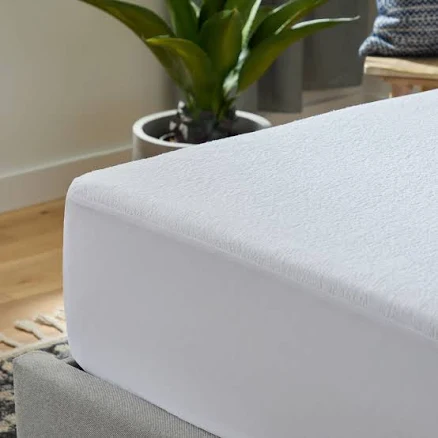
Lucid Cotton Terry Waterproof Mattress Protector
Skip until Lucid reveals the waterproof coating formula.
Lucid's cotton terry mattress protector uses an unspecified waterproof backing, a typical PFAS vector in textiles. The company offers no public information about coating chemistry or PFAS avoidance.
The better-graded swap
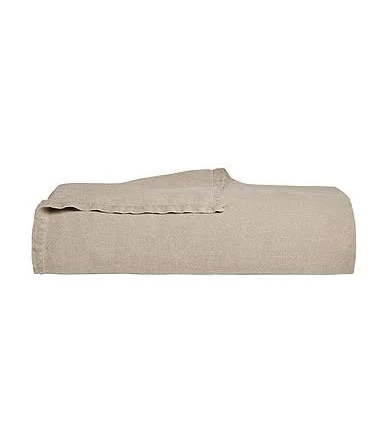
Parachute
Parachute Vintage Linen Bed Cover
75/100 safety
Same rubric that flunked this product. The swap earned Excellent.
Still want this one anyway? Check the price on Amazon. We’d swap it.
Material
Cotton terry with polyurethane or polymer waterproof backing (unspecified)
Brand disclosure
Brand is silent on PFAS
Lab data
No public lab test
Is Lucid Cotton Terry Waterproof Mattress non-toxic? What it is made of
This protector pairs a natural cotton terry top (absorbent, breathable, low chemical concern) with a synthetic waterproof backing, either polyurethane or unspecified polymer. The backing is where risk concentrates, waterproofing typically requires either legacy PFAS coatings (persistent, bioaccumulative) or newer but less stable non-fluorinated polymers. Lucid does not publish the specific chemistry, making independent hazard assessment impossible. The cotton-polymer laminate also means you cannot easily replace just the backing if it degrades.
What’s concerning
Category baseline
The starting point for this type of product, before anything specific to this product is counted.
No PFAS disclosure
No public statement from the brand about PFAS in this product.
Waterproof / stain-resistant treatment
Water-repellent coating treatments have historically used PFAS.
PFAS
Lucid has not disclosed the waterproof coating formula. Legacy polyurethane backings often contain C8 PFOA or C6 alternatives; newer non-fluorinated polymers are less well-established. Direct skin contact is low-risk, but leaching into sweat and potential inhalation of off-gassed volatiles during manufacturing or aging remain concerns.
Source, ATSDR ↗Polymer backing degradation and microfiber shedding
Cotton-polyurethane laminates can delaminate or crack over 2-3 years of use, moisture, and washing. Once compromised, the backing may shed microfibers, which are inert plastics but still foreign material in the bed environment. No specific degradation timeline is published for this model.
Off-gassing and volatile organic compounds (VOCs)
Polyurethane and polymer coatings can emit trace VOCs (isocyanates, solvents) during manufacturing and early use. The cotton terry may absorb and retain these. Lucid does not publish volatile testing or off-gassing protocols. Risk is reduced by airing before use and washing before first sleep contact.
Phthalates
Some polyurethane and PVC-based waterproof coatings use phthalate plasticizers for flexibility. Migration into skin is minimal during passive mattress use, but heating or long storage in warm conditions can increase leaching. Lucid's backing composition and plasticizer profile are not disclosed.
Source, ATSDR ↗What’s reassuring
Formaldehyde / VOCs
Cotton terry is often treated with formaldehyde-based durable-press finishes for wrinkle resistance. Lucid does not specify whether their terry uses such treatments. Risk is low if absent, but unconfirmed. GOTS or Oeko-Tex certification would rule this out; Lucid does not claim either.
Source, ATSDR ↗The full breakdown
The brand's record and disclosure
Lucid markets budget-friendly sleep products and has not published waterproof coating formulations, certifications (e.g., Oeko-Tex, GOTS), or PFAS-free claims. No major recalls or contamination reports are on record for this specific model. The silent stance on PFAS is standard for mid-market mattress brands but represents a transparency gap. Third-party testing of Lucid protectors for PFAS or other coatings contaminants is not publicly available.
How it compares in its category
Most mattress protectors in this price range ($30-60) use similar undisclosed polymer backings; Lucid is typical, not exceptional. Premium alternatives (Parachute, Avocado) explicitly avoid PFAS and publish material specs; budget options (Amazon Basics, Utopia) rarely disclose. The real differentiator is whether the maker will confirm PFAS-free status; Lucid has not, placing it in the cautious-purchase tier alongside most conventional brands.
If you buy it
Wash in cool water before first use to reduce surface residues. Avoid hot water and high-heat drying, which can stress the polymer backing and increase shedding or off-gassing. Inspect the backing every 6 months for peeling, cracking, or odor; replace if degradation appears, as a compromised barrier offers no waterproofing and may release microfibers. Plan for replacement every 2-3 years; this protector is not a long-term investment unless you confirm the coating is stable and proven low-migration.
What we don’t know
- Basis
- Model estimate, 42% confidence, not a lab result
- Lab test
- None on record for this exact product
- Brand statement
- Lucid has made none
Formulations change between production runs, so check the current label. How we grade.
Better-graded alternatives in Mattress Protectors
Parachute
Vintage Linen Bed Cover
- 100% linen, no reported coating
- We found no PFAS statement from the brand
- Heavy metals
3 hazards checked on this product. See all of them.
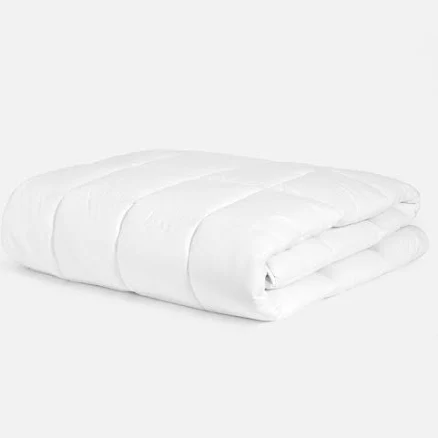
Brooklinen
Down Alternative Mattress Topper
- polyester down-alternative filling
- We found no PFAS statement from the brand
- Azo dyes and colorant migration
4 hazards checked on this product. See all of them.
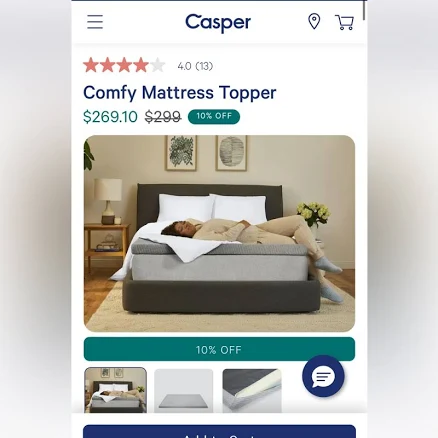
Casper
Sleep Comfy Mattress Topper
- Polyurethane foam, cotton/polyester blend cover
- We found no PFAS statement from the brand
- Volatile Organic Compound (VOC) off-gassing
3 hazards checked on this product. See all of them.
More mattress protectors grades
How we score, every product runs through the same public 0-100 rubric based on materials, coatings, brand disclosure, lab findings, and recalls. See the full methodology → Spotted a mistake? Report an error.