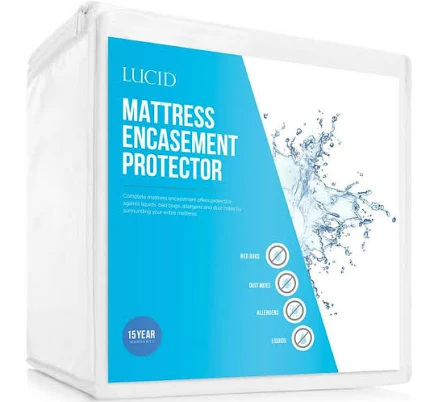
Lucid Encasement Mattress Protector
Skip until Lucid confirms coating chemistry or provides third-party testing.
This Lucid encasement protector has waterproof and stain-resistant coatings but no brand disclosure on materials or PFAS content. Mattress protectors often use PFAS-based water-repellent coating finishes.
The better-graded swap
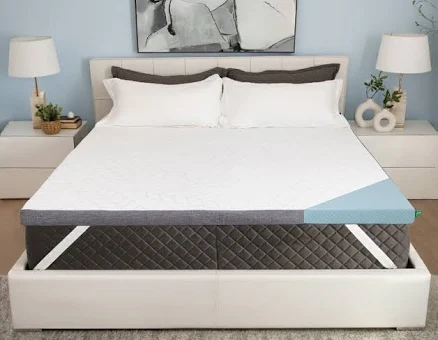
Sleepyhead
Sleepyhead 3 Gel-Infused Memory Foam Mattress Topper with Washable Cover
75/100 safety
Same rubric that flunked this product. The swap earned Excellent.
Still want this one anyway? Check the price on Amazon. We’d swap it.
Material
Polyurethane or polyester fabric with waterproof/stain-resistant coating (unspecified)
Brand disclosure
Brand is silent on PFAS
Lab data
No public lab test
Is Lucid Encasement Mattress Protector non-toxic? What it is made of
Lucid's encasement uses a polyurethane or polyester fabric base with an unspecified waterproof/stain-resistant coating. The coating is the critical unknown, waterproofing typically relies on either fluorinated compounds (PFAS, which Lucid has not publicly disclosed) or less common alternatives like wax or silicone. Polyurethane itself can off-gas volatile organic compounds (VOCs) when new, particularly in warm or humid conditions, though this risk decreases sharply after initial airing out.
What’s concerning
Category baseline
The starting point for this type of product, before anything specific to this product is counted.
No PFAS disclosure
No public statement from the brand about PFAS in this product.
Waterproof / stain-resistant treatment
Water-repellent coating treatments have historically used PFAS.
PFAS
Unspecified coating chemistry in a waterproof textile strongly suggests PFAS; Lucid has provided no public confirmation of alternatives. PFAS persistence and bioaccumulation are documented; indoor mattress protector exposure is chronic and low-dose but unquantified for this product.
Source, ATSDR ↗Volatile organic compound (VOC) off-gassing from polyurethane base
Polyurethane foam and films commonly release low levels of VOCs (formaldehyde, toluene, etc.) in the first days to weeks. Risk is highest in warm, humid bedrooms with poor air circulation and is much lower after initial airing.
Coating degradation and microfiber/microplastic shedding
Waterproof coatings on textiles can degrade from washing, heat, or mechanical stress, potentially releasing polymeric particles. No specific degradation data exists for Lucid protectors, but this is a known issue in coated textiles generally.
Bacterial or mold growth in trapped moisture
Waterproof encasements trap moisture against the mattress if not properly aired or if stored damp. This creates conditions for mold and bacterial colonies if humidity control is poor; not a manufacturing defect but a usage risk.
What’s reassuring
Heavy metals
No recalls or public testing reports exist for Lucid protectors regarding lead, cadmium, or azo dyes in the base fabric. Polyester from reputable suppliers is typically compliant with consumer safety standards, but Lucid's supply chain is not publicly documented.
Source, FDA ↗The full breakdown
The brand's record and disclosure
Lucid has not published materials disclosures, PFAS-free certifications, or third-party testing results for this protector. The brand's silence on coating chemistry is notable given the prevalence of PFAS in waterproof textiles and the growing consumer awareness of these persistent chemicals. No public safety recalls or controversies are documented for Lucid mattress protectors, but absence of disclosure does not indicate safety, it indicates lack of transparency.
How it compares in its category
Most mattress protectors in this price and category tier use either PFAS-based hydrophobic coatings (industry standard for durability) or polyurethane films. Lucid's product is typical in function but behind peers like Saatva (which uses GOTS-certified organic cotton with non-PFAS water resistance) and Helix (which discloses polyurethane chemistry). Budget-tier protectors from Amazon Basics and Utopia Bedding face the same PFAS opacity, making Lucid neither exceptional nor outlier.
If you buy it
Air out the protector in a well-ventilated space for 24-48 hours before use to reduce initial VOC off-gassing. Wash in cool water with mild detergent before first use and every 1-2 months; avoid hot water and fabric softeners, which can degrade the coating faster. Replace if waterproofing fails (water begins penetrating during washing) or after 3-5 years of use. Store in a dry place to prevent mold growth in the coating.
What we don’t know
- Basis
- Model estimate, 42% confidence, not a lab result
- Lab test
- None on record for this exact product
- Brand statement
- Lucid has made none
Formulations change between production runs, so check the current label. How we grade.
Better-graded alternatives in Mattress Protectors
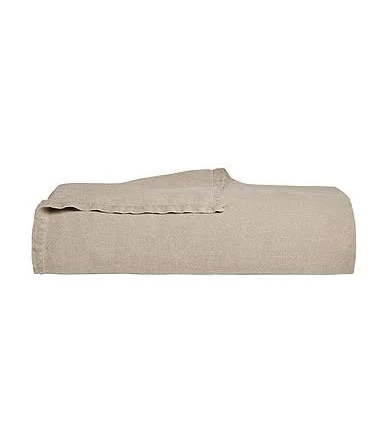
Parachute
Vintage Linen Bed Cover
- 100% linen, no reported coating
- We found no PFAS statement from the brand
- Heavy metals
3 hazards checked on this product. See all of them.
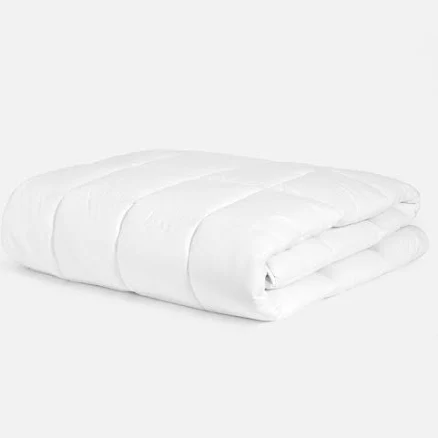
Brooklinen
Down Alternative Mattress Topper
- polyester down-alternative filling
- We found no PFAS statement from the brand
- Azo dyes and colorant migration
4 hazards checked on this product. See all of them.
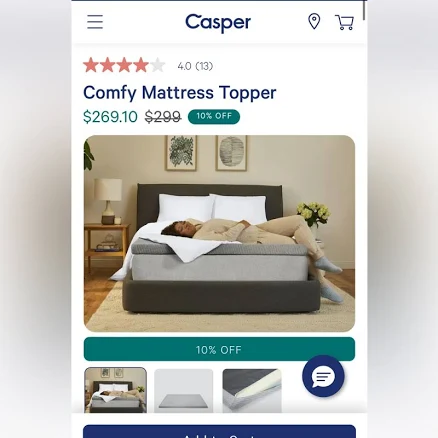
Casper
Sleep Comfy Mattress Topper
- Polyurethane foam, cotton/polyester blend cover
- We found no PFAS statement from the brand
- Volatile Organic Compound (VOC) off-gassing
3 hazards checked on this product. See all of them.
More mattress protectors grades
How we score, every product runs through the same public 0-100 rubric based on materials, coatings, brand disclosure, lab findings, and recalls. See the full methodology → Spotted a mistake? Report an error.