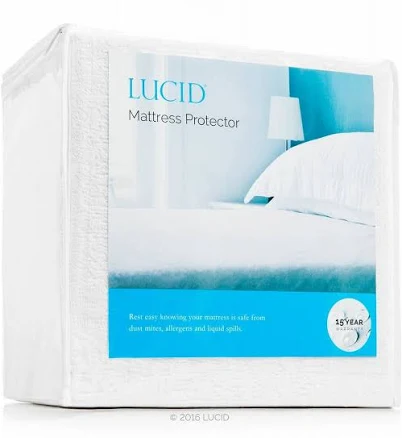
Lucid Premium Waterproof Mattress Protector
Skip unless Lucid discloses waterproof treatment chemistry.
Unspecified waterproof backing/treatment typical of this category without brand disclosure. Without third-party testing or explicit PFAS-free certification, potential PFAS exposure exists.
The better-graded swap
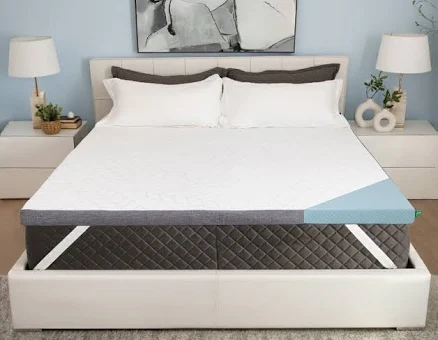
Sleepyhead
Sleepyhead 3 Gel-Infused Memory Foam Mattress Topper with Washable Cover
75/100 safety
Same rubric that flunked this product. The swap earned Excellent.
Still want this one anyway? Check the price on Amazon. We’d swap it.
Material
polyurethane or polyester with waterproof backing/treatment (unspecified)
Brand disclosure
Brand is silent on PFAS
Lab data
No public lab test
Is Lucid Premium Waterproof Mattress non-toxic? What it is made of
Lucid Premium Waterproof Mattress Protector uses polyurethane or polyester fabric with an unspecified waterproof backing treatment. Waterproof coatings on textiles typically rely on either PFAS-based compounds (perfluorinated) or non-fluorinated alternatives like wax, silicone, or acrylic. The manufacturer has not publicly disclosed which chemistry is used, creating uncertainty about long-term exposure in a product in direct contact with skin and bedding. Polyurethane itself can off-gas volatile organic compounds (VOCs), particularly when new or in warm conditions.
What’s concerning
Category baseline
The starting point for this type of product, before anything specific to this product is counted.
No PFAS disclosure
No public statement from the brand about PFAS in this product.
Waterproof / stain-resistant treatment
Water-repellent coating treatments have historically used PFAS.
PFAS
Waterproof coatings are the primary source of PFAS in textiles. Lucid's refusal to disclose the chemistry suggests either PFAS use or incomplete product knowledge, both unacceptable for a skin-contact item.
Source, ATSDR ↗Volatile organic compound (VOC) off-gassing from polyurethane
Polyurethane mattress toppers and protectors commonly release VOCs (formaldehyde, toluene, diphenylmethane diisocyanate) in the first weeks of use, particularly in warm or humid bedrooms. This is manageable with ventilation but notable for sensitive sleepers.
Coating degradation and microplastic shedding
Waterproof backings degrade with washing and use, potentially releasing microplastics or coating particles into bed surfaces and laundry. No specific data on Lucid's longevity, but this is a category-wide concern for protectors without durability testing data.
Bacterial/mold growth if improperly dried
Waterproof barriers trap moisture if the protector is not fully air-dried after washing. Damp environments between mattress and protector can foster mold or bacterial growth, particularly in humid climates. Proper drying protocol is essential.
Skin sensitization from undisclosed chemical residues
Waterproof finishes often contain residual solvents, catalysts, or adhesive compounds that can irritate sensitive skin or cause contact dermatitis. Without disclosure or safety data sheets, individual sensitivity cannot be predicted.
The full breakdown
The brand's record and disclosure
Lucid maintains a product-focused website but offers no published technical sheets, third-party certifications, or transparency statements about PFAS or waterproof treatment chemistry. The brand has not faced widely reported safety recalls or controversies specific to this protector model. Absence of disclosure on PFAS in a waterproof product is notable, as this is a category where PFAS presence is common and should be addressed proactively.
How it compares in its category
Many waterproof mattress protectors on the market now carry GOTS (Global Organic Textile Standard), Oeko-Tex, or similar certifications that restrict PFAS or require disclosure. Budget-tier and mid-range protectors like this often lack such certifications. Premium alternatives (Helix, Saatva) typically provide PFAS status statements; Lucid's silence places it in a lower transparency tier for this safety factor.
If you buy it
Air out the protector for 24-48 hours after unboxing in a well-ventilated space to reduce initial VOC off-gassing. Use it over the mattress, under fitted sheets, which reduces direct skin contact. Wash every 1-2 months in cool water without bleach to maintain waterproof integrity and remove skin cells/dust that can harbor bacteria. Do not dry-clean or expose to high heat (above 140F). If waterproofing degrades or odor persists after 2-3 weeks, consider replacement.
What we don’t know
- Basis
- Model estimate, 35% confidence, not a lab result
- Lab test
- None on record for this exact product
- Brand statement
- Lucid has made none
Formulations change between production runs, so check the current label. How we grade.
Better-graded alternatives in Mattress Protectors
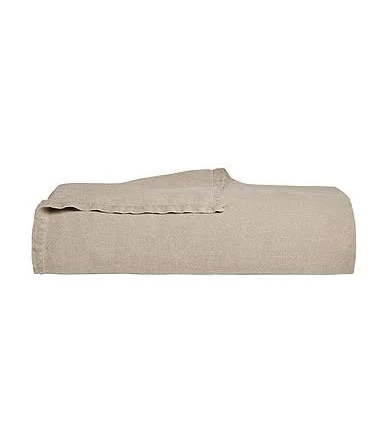
Parachute
Vintage Linen Bed Cover
- 100% linen, no reported coating
- We found no PFAS statement from the brand
- Heavy metals
3 hazards checked on this product. See all of them.
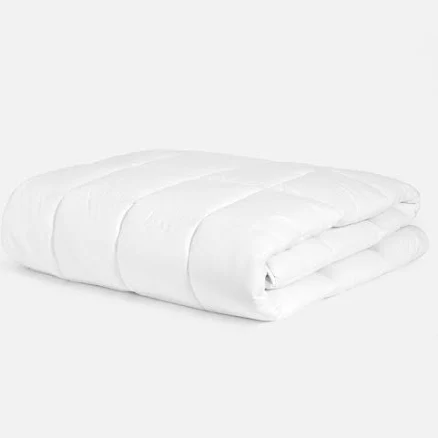
Brooklinen
Down Alternative Mattress Topper
- polyester down-alternative filling
- We found no PFAS statement from the brand
- Azo dyes and colorant migration
4 hazards checked on this product. See all of them.
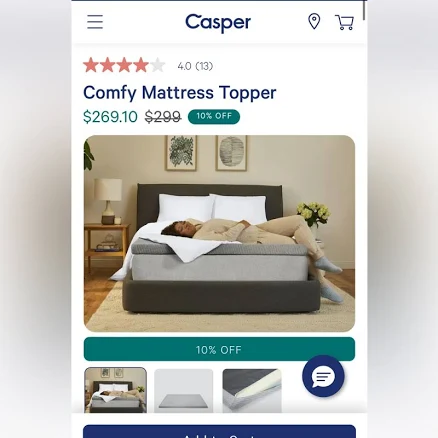
Casper
Sleep Comfy Mattress Topper
- Polyurethane foam, cotton/polyester blend cover
- We found no PFAS statement from the brand
- Volatile Organic Compound (VOC) off-gassing
3 hazards checked on this product. See all of them.
More mattress protectors grades
How we score, every product runs through the same public 0-100 rubric based on materials, coatings, brand disclosure, lab findings, and recalls. See the full methodology → Spotted a mistake? Report an error.