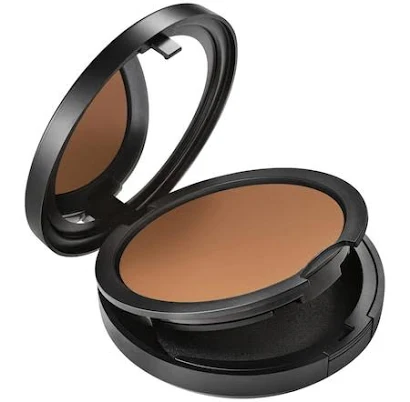
MAC Studio Fix Powder Plus Foundation
Low-medium risk. Powder formula rarely needs waterproofing that would add PFAS.
MAC Studio Fix is a talc and mica-based mineral powder with no disclosed waterproof or stain-resistant treatment. These coatings commonly introduce PFAS in cosmetics, but MAC makes no claims about them.
We flunk more products than we pass. This one earned its grade. How we grade
Material
talc, mica, iron oxides, silica (mineral pigments)
Brand disclosure
Brand is silent on PFAS
Lab data
No public lab test
You may also be interested in
Top-graded picks in the categories readers replace first, every one scored on the same rubric.

- polypropylene filter housing, carbon/sediment cartridge
- We found no PFAS statement from the brand
- Bacterial growth in spent cartridges
3 hazards checked on this product, all on its full breakdown.

Aquasure
Premier Series 75 GPD Under Sink Reverse Osmosis Water Filtration System
- RO membrane, carbon filters, stainless steel housing
- We found no PFAS statement from the brand
- Bacterial and microbial growth in housing and filters
4 hazards checked on this product, all on its full breakdown.

Avocado
Vegan Mattress
- organic cotton, natural latex, coconut coir, recycled steel coils
- The brand calls it PFAS-free, which we have not verified
- Heavy metals
2 hazards checked on this product, all on its full breakdown.
What MAC Studio Fix Powder Plus Foundation is made of, ingredients and materials
MAC Studio Fix Powder Plus is a talc-based pressed powder blended with mica, iron oxides, and silica for pigmentation and texture. Talc itself is a naturally occurring mineral that can sometimes contain asbestos contamination, which is why talc-heavy cosmetics remain under scrutiny. The iron oxides and mica are inert mineral pigments with minimal absorption risk into skin. Silica (a common anti-caking agent) at these cosmetic concentrations does not pose inhalation risk in topical application.
What’s concerning
Category baseline
The starting point for this type of product, before anything specific to this product is counted.
No PFAS disclosure
No public statement from the brand about PFAS in this product.
Talc contamination (asbestos risk)
Talc ore can naturally contain asbestos; MAC does not publicly disclose asbestos testing or talc-source verification. No recalls or confirmed contamination on record for this product, but the industry-wide risk remains unresolved.
Mica and silica inhalation during application
Mica and silica particles are respirable when powder is applied; inhalation risk is low in casual topical use but elevated in frequent, heavy application or in individuals with chronic respiratory disease.
Bacterial or mold growth in compact
Pressed powders can accumulate bacteria or mold if stored in humid conditions or used with wet applicators. This is a usage and storage issue rather than a manufacturing defect, but relevant to concern about long-term use.
What’s reassuring
Base material not linked to PFAS
The main material recorded for this product is not one associated with PFAS.
Heavy metals
Iron oxides (Fe2O3, Fe3O4) are approved colorants with low dermal absorption. No documented contamination or regulatory action against MAC's iron oxide suppliers for lead or cadmium.
Source, FDA ↗Fragrance allergens
Studio Fix Powder Plus contains minimal to no added fragrance according to standard formulations; allergen risk from this component is negligible.
How is this PFAS grade calculated?
The brand's record and disclosure
MAC (owned by Estée Lauder) does not publicly disclose talc sourcing, asbestos testing protocols, or formulation changes in response to talc concerns. The brand has not faced major recalls related to this product line for talc contamination, though no independent third-party verification of asbestos absence is published. MAC maintains general compliance with FDA and EU cosmetic regulations but does not volunteer enhanced testing data. The brand's silence on talc sourcing reflects industry-wide opacity rather than a unique MAC problem.
How it compares in its category
Most pressed powder foundations still use talc as a base; talc-free alternatives (rice powder, corn starch, clay) are growing but less common at MAC's price point. MAC's formula is typical of traditional pressed powders and does not stand out as having notably lower or higher concern than competitors like Fenty Beauty Pro Filt'r or Bobbi Brown Skin Foundation Powder. Brands with explicit talc-free or asbestos-tested claims (e.g., Physicians Formula) offer an alternative if talc concern drives your choice. Studio Fix Powder Plus has been in circulation for decades with no pattern of reported talc-related harm.
If you buy it
Apply with a brush rather than bare hands or sponges to minimize inhalation of loose powder particles. Replace the product annually or every 12-18 months of regular use to avoid bacterial buildup in the compact. Store in a cool, dry place away from humidity to prevent mold or moisture degradation of the pressed cake. Do not inhale directly from the compact; if you have talc sensitivity or respiratory concerns, consider talc-free alternatives or consult a dermatologist before use.
What is not known about PFAS in this product?
- Basis
- Model estimate, 72% confidence, not a lab result
- Lab test
- None on record for this exact product
- Brand statement
- MAC Fix+ has made none
Formulations change between production runs, so check the current label. How we grade.
What are the PFAS-free alternatives to MAC Studio Fix Powder Plus Foundation?
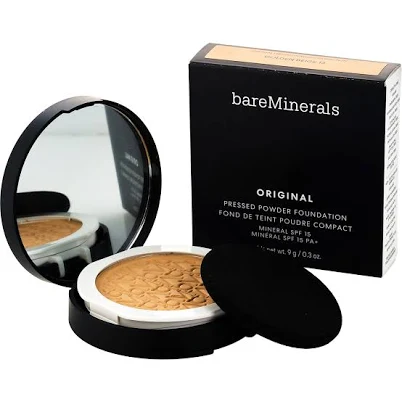
Bare Minerals
bareMinerals Original Talc-Free Pressed Powder Foundation Mineral SPF 15
- Talc-free mineral powder (mica, iron oxides, titanium dioxide)
- The brand calls it PFAS-free, which we have not verified
- Bacterial or fungal growth in powder cake
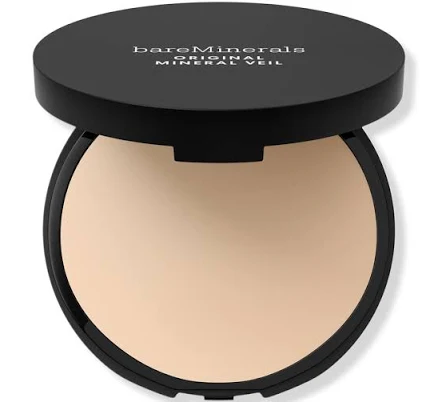
- Mineral powder (talc, mica, oxides)
- The brand calls it PFAS-free, which we have not verified
- Talc and historical asbestos contamination
3 hazards checked on this product, all on its full breakdown.
More pressed powder grades
How we score, every product runs through the same public 0-100 rubric based on materials, coatings, brand disclosure, lab findings, and recalls. See the full methodology → Spotted a mistake? Report an error.