Mammut · Ski & Snowboard Jackets
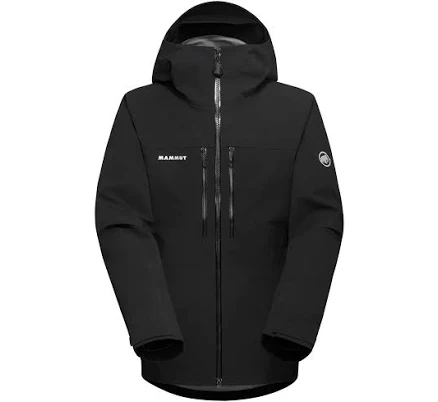
Mammut Men's Stoney HS Hooded Ski Jacket
Ski jacket with water-repellent coating finish. Waterproofing chemicals unspecified. Mammut silent.
Stoney HS uses polyester with water-repellent coating waterproof treatment. Mammut has not disclosed whether jacket uses PFAS-free alternatives.
Still want this one anyway? Check the price on Amazon. We’d swap it.
Material
Polyester with water-repellent coating waterproof treatment
Brand disclosure
Brand is silent on PFAS
Lab data
No public lab test
What Mammut Men's Stoney HS Hooded Ski Jacket is made of, ingredients and materials
The Stoney HS uses polyester as its primary face fabric with a water-repellent coating (water-repellent coating) finish applied to the surface. water-repellent coating treatments historically relied on PFAS-based chemicals (PFAS "forever chemicals") to achieve water shedding, though some manufacturers have begun shifting to fluorine-free alternatives. Mammut has not publicly disclosed which formulation this jacket uses. Polyester itself is chemically stable during normal wear, but the finish's composition determines whether fluorinated compounds migrate or off-gas.
What’s concerning
Category baseline
The starting point for this type of product, before anything specific to this product is counted.
No PFAS disclosure
No public statement from the brand about PFAS in this product.
Waterproof / stain-resistant treatment
Water-repellent coating treatments have historically used PFAS.
PFAS
Mammut has not disclosed the specific water-repellent coating formulation used on the Stoney HS. Fluorinated water-repellent coatings remain common in ski apparel; if PFAS-based, long-term skin contact and washing could result in low-level exposure, though acute risk from wearing the jacket is minimal.
Source, ATSDR ↗water-repellent coating degradation and re-treatment products
As the factory water-repellent coating finish wears, users may apply aftermarket water-repellent coating sprays or liquids. Many of these products contain PFAS or other volatile compounds; if you re-treat this jacket, verify the product's chemical composition to avoid introducing additional hazards after purchase.
What’s reassuring
Formaldehyde / VOCs
No public record of formaldehyde concerns specific to this model. Polyester textile finishes may contain formaldehyde-releasing compounds, but established manufacturers typically keep residual levels below regulatory thresholds; Mammut's production standards are not documented as problematic.
Source, ATSDR ↗Azo dyes (colorfastness hazard)
No recalls or alerts on record for Mammut apparel dyes. Azo dyes are regulated in EU manufacturing (where Mammut operates) and pose minimal dermal risk during wear; risk would be color bleeding or allergic reaction in sensitive skin, which is rare.
Antimony in polyester fiber
Antimony trioxide is used as a polymerization catalyst in polyester; trace residues may remain in the fiber. Regulatory limits are established; no health incidents linked to wear of apparel-grade polyester. Contact or ingestion by infants is the main historical concern, not relevant here.
The full breakdown
The brand's record and disclosure
Mammut is a Swiss outdoor-apparel company with a stated sustainability focus, but the company does not publicly commit to PFAS-free waterproofing or provide transparency on chemical treatments in individual product lines. The brand has not faced major public recalls or chemical controversies specific to this model. Absence of disclosure is not evidence of safety but does mean you cannot verify the water-repellent coating chemistry before purchase.
How it compares in its category
Most mainstream ski jackets in this price range use either PFAS-based water-repellent coating (industry standard for performance) or fluorine-free alternatives marketed as sustainable. High-end brands like Arc'teryx and Patagonia now label PFAS-free status; Mammut's silence puts it in the middle ground where PFAS exposure is plausible but unconfirmed. Budget alternatives often use lower-performance coatings that degrade faster; premium eco-focused brands explicitly avoid PFAS.
If you buy it
Wash infrequently (every 10-15 wears) in cool water with gentle detergent to preserve the water-repellent coating finish and minimize any leaching of surface treatments. Never dry-clean or use fabric softeners. Air dry away from heat; tumble-dry on low if needed, as heat can alter polymer coatings. Replace the jacket if the water-repellent coating visibly fails (water no longer beads on fabric) rather than rewashing repeatedly, as re-treatment products may introduce additional chemicals.
What we don’t know
- Basis
- Model estimate, 45% confidence, not a lab result
- Lab test
- None on record for this exact product
- Brand statement
- Mammut has made none
Formulations change between production runs, so check the current label. How we grade.
Better-graded alternatives in Ski & Snowboard Jackets
Allbirds
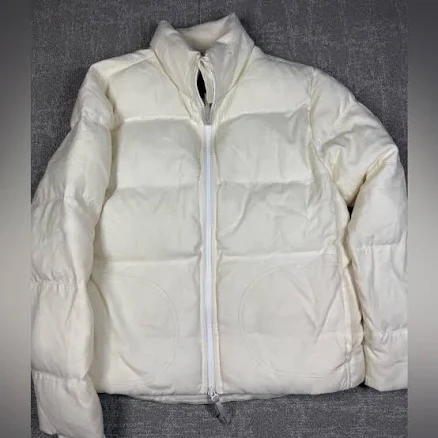
Jackets & Coats Allbirds Full Zip Wool Blend Puffer Jacket Women Size Small
- Wool blend with synthetic fill (likely polyester)
- We found no PFAS statement from the brand
- water-repellent coating (water-repellent coating) coating composition
3 hazards checked on this product. See all of them.
Allbirds
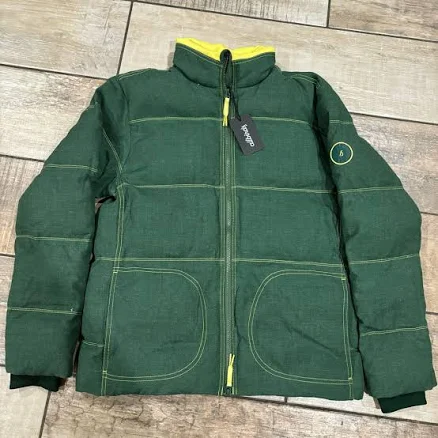
Jackets & Coats Allbirds Men's Trino Puffer Jacket Full Zip Wool Blend Forest Green Coat Size Sm
- wool blend (natural fiber dominant)
- We found no PFAS statement from the brand
- water-repellent coating (water-repellent coating) treatment - undisclosed chemistry
2 hazards checked on this product. See all of them.
Allbirds
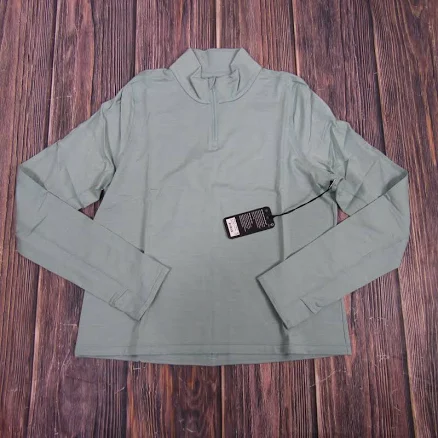
NWT Womens Medium Green Natural Run Mid Layer 1/4 Zip Jacket
- Merino wool blend (natural fiber)
- We found no PFAS statement from the brand
- Azo dyes and synthetic dye residue
3 hazards checked on this product. See all of them.
More ski & snowboard jackets grades
How we score, every product runs through the same public 0-100 rubric based on materials, coatings, brand disclosure, lab findings, and recalls. See the full methodology → Spotted a mistake? Report an error.