Mammut · Ski & Snowboard Jackets
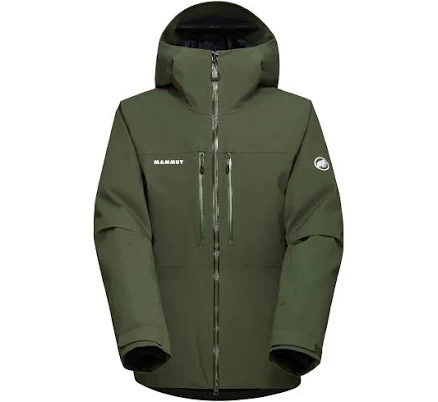
Mammut Men's Stoney HS Thermo Hooded Ski Jacket
Ski jackets use water-repellent coating coatings. Mammut's PFAS policy is unclear.
Stoney HS Thermo uses polyamide with water-repellent coating finish of unspecified composition. Mammut does not disclose whether PFAS-free water-repellent coating technology is used.
Still want this one anyway? Check the price on Amazon. We’d swap it.
Material
Polyamide outer with water-repellent coating finish (composition unspecified)
Brand disclosure
Brand is silent on PFAS
Lab data
No public lab test
What Mammut Men's Stoney HS Thermo Hooded Ski is made of, ingredients and materials
The Stoney HS uses a polyamide (nylon) outer shell with a water-repellent coating (water-repellent coating) finish applied to the fabric surface. water-repellent coating coatings on technical outerwear are often Teflon-family coating-based, which may contain PFAS compounds, though many modern jackets are shifting to fluorine-free alternatives. Polyamide itself is stable and non-toxic during normal wear, but the finish's chemical composition determines whether off-gassing or leaching is a concern during storage or laundering.
What’s concerning
Category baseline
The starting point for this type of product, before anything specific to this product is counted.
No PFAS disclosure
No public statement from the brand about PFAS in this product.
Waterproof / stain-resistant treatment
Water-repellent coating treatments have historically used PFAS.
PFAS
Polyamide ski jackets typically use Teflon-family coating-based water-repellent coating finishes, which may contain legacy PFAS (PFOA/PFOS) or newer GenX-class compounds. Mammut does not disclose which formulation is used in the Stoney HS, so status cannot be confirmed.
Source, ATSDR ↗Polyamide degradation under heat or UV
Polyamide fibers can yellow and weaken under prolonged exposure to sunlight or high heat. This is cosmetic and functional degradation rather than a toxicological hazard, but accelerated breakdown may compromise the water-repellent coating finish integrity.
Microfiber shedding during washing
Synthetic polyamide jackets shed microfibers when washed, contributing to microplastic pollution. This is an environmental concern rather than a direct health hazard, but washing in a microfiber-capturing bag can reduce release.
What’s reassuring
Volatile organic compounds (VOCs) from finish
No specific VOC emissions data is available for this product. Off-gassing from water-repellent coating coatings during storage or initial wear is theoretically possible but is not a documented safety issue with Mammut jackets.
Heavy metals
No recalls or test reports indicate restricted azo dyes or heavy metal contamination in Mammut polyamide jackets. The brand operates to European textile standards, which include stricter dyestuff limits than some markets.
Source, FDA ↗The full breakdown
The brand's record and disclosure
Mammut is a Swiss outdoor equipment manufacturer with a general commitment to sustainability, but they do not publicly disclose the specific water-repellent coating chemistry used in individual products or confirm PFAS-free status. The company has not published a detailed PFAS phase-out roadmap comparable to some competitors (e.g., Patagonia). No major safety recalls or chemical controversies involving Mammut jackets are on public record.
How it compares in its category
Ski jackets in this performance tier typically use polyamide or polyester shells with water-repellent coating treatments; many still rely on traditional fluorocarbon-based coatings due to their superior durability and water resistance. Brands like Patagonia and Arc'teryx have begun labeling fluorine-free water-repellent coating options, while Mammut has not clearly segmented its line this way. The Stoney HS sits in the mid-to-premium category where water-repellent coating durability is prioritized, increasing the likelihood of Teflon-family coating use.
If you buy it
Launder the jacket sparingly; frequent washing may break down the water-repellent coating finish and potentially release coating particles. Use mild detergent without intentionally added PFAS and avoid hot water and high heat in the dryer, which can degrade polyamide and accelerate any coating breakdown. If PFAS exposure is a priority concern, contact Mammut directly to request water-repellent coating chemistry data before purchase. Store in a cool, dry place away from direct sunlight to extend coating life and reduce off-gassing risk.
What we don’t know
- Basis
- Model estimate, 45% confidence, not a lab result
- Lab test
- None on record for this exact product
- Brand statement
- Mammut has made none
Formulations change between production runs, so check the current label. How we grade.
Better-graded alternatives in Ski & Snowboard Jackets
Allbirds
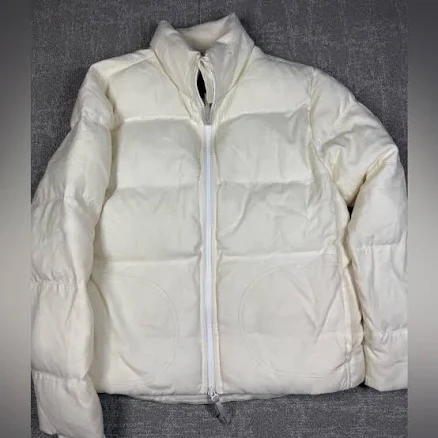
Jackets & Coats Allbirds Full Zip Wool Blend Puffer Jacket Women Size Small
- Wool blend with synthetic fill (likely polyester)
- We found no PFAS statement from the brand
- water-repellent coating (water-repellent coating) coating composition
3 hazards checked on this product. See all of them.
Allbirds
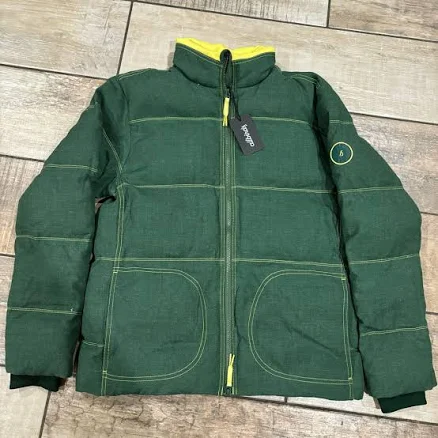
Jackets & Coats Allbirds Men's Trino Puffer Jacket Full Zip Wool Blend Forest Green Coat Size Sm
- wool blend (natural fiber dominant)
- We found no PFAS statement from the brand
- water-repellent coating (water-repellent coating) treatment - undisclosed chemistry
2 hazards checked on this product. See all of them.
Allbirds
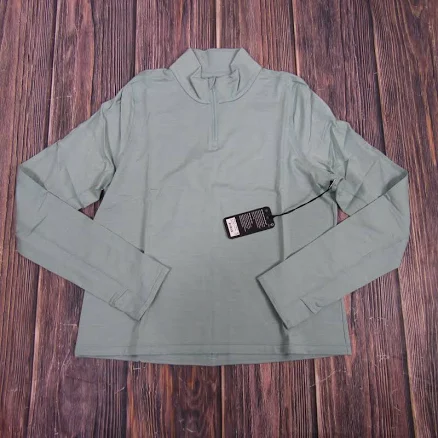
NWT Womens Medium Green Natural Run Mid Layer 1/4 Zip Jacket
- Merino wool blend (natural fiber)
- We found no PFAS statement from the brand
- Azo dyes and synthetic dye residue
3 hazards checked on this product. See all of them.
More ski & snowboard jackets grades
How we score, every product runs through the same public 0-100 rubric based on materials, coatings, brand disclosure, lab findings, and recalls. See the full methodology → Spotted a mistake? Report an error.