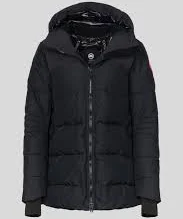
Canada Goose · Ski & Snowboard Jackets
HyBridge Coat
Unknown PFAS status. Canada Goose silent on water-repellent coating chemistry.
HyBridge Coat uses water-resistant treatment likely applied via water-repellent coating finish, but Canada Goose does not disclose PFAS presence or absence. Standard industry practice often involves PFAS, though reformulation varies by supplier.
Still want this one anyway? Check the price on Amazon. We’d swap it.
Material
Hybrid down/synthetic blend with water-repellent coating water-resistant finish
Brand disclosure
Brand is silent on PFAS
Lab data
No public lab test
You may also be interested in
Top-graded picks in the categories readers replace first, every one scored on the same rubric.

- polypropylene filter housing, carbon/sediment cartridge
- We found no PFAS statement from the brand
- Bacterial growth in spent cartridges
3 hazards checked on this product, all on its full breakdown.

Aquasure
Premier Series 75 GPD Under Sink Reverse Osmosis Water Filtration System
- RO membrane, carbon filters, stainless steel housing
- We found no PFAS statement from the brand
- Bacterial and microbial growth in housing and filters
4 hazards checked on this product, all on its full breakdown.

Avocado
Vegan Mattress
- organic cotton, natural latex, coconut coir, recycled steel coils
- The brand calls it PFAS-free, which we have not verified
- Heavy metals
2 hazards checked on this product, all on its full breakdown.
What HyBridge Coat is made of, ingredients and materials
The HyBridge Coat combines duck down with synthetic polyester fibers, using a water-repellent coating (water-repellent coating) finish to shed moisture without a full waterproof membrane. The synthetic component reduces reliance on animal products and improves washability compared to pure down. The water-repellent coating chemistry is the critical unknown, Canada Goose has not publicly disclosed whether their finish uses legacy PFOA-based compounds, newer PFAS alternatives, or fluorine-free systems, which creates uncertainty around persistence and bioaccumulation risk.
What’s concerning
Waterproof / stain-resistant treatment
Water-repellent coating treatments have historically used PFAS.
Category baseline
The starting point for this type of product, before anything specific to this product is counted.
No PFAS disclosure
No public statement from the brand about PFAS in this product.
water-repellent coating finish chemistry (fluorinated or non-disclosed)
Canada Goose does not publicly disclose water-repellent coating formulation. Many premium down/synthetic hybrid jackets still use PFAS-based finishes; without explicit fluorine-free certification, legacy PFAS cannot be ruled out.
water-repellent coating degradation and microfiber shedding during washing
All synthetic-blend jackets with water-repellent coating finishes shed microfibers in water during laundering. This is a known issue in the category and not specific to Canada Goose, but relevant to lifecycle environmental impact and potential ingestion of microplastics if worn near food preparation.
What’s reassuring
Formaldehyde / VOCs
Polyester blends and water-repellent coating treatments can introduce formaldehyde releasers during manufacturing. No specific recalls or warnings for HyBridge coats are documented, and Canada Goose's scale and reputation suggest standard industrial controls, but independent testing data is not public.
Source, ATSDR ↗Azo dyes in synthetic components
Polyester fibers in the blend may use azo or reactive dyes. No documented issues with Canada Goose outerwear, and dark colorways typical of this product line pose lower risk than bright synthetic dyes in some apparel.
Heavy metals
Duck down sourced from industrial farms can theoretically carry trace pesticide or heavy metal residues. Canada Goose does not publish down-sourcing or testing protocols, though the brand is considered reputable for supply chain oversight relative to fast-fashion competitors.
Source, FDA ↗How is this PFAS grade calculated?
The brand's record and disclosure
Canada Goose has not published detailed information about water-repellent coating chemistry, manufacturing certifications, or chemical phase-out timelines, despite being a premium brand with resources for transparency. The company has faced criticism for slow environmental disclosure relative to competitors like Patagonia or Arc'teryx. No major recalls or confirmed contamination incidents specific to HyBridge coats are on record. This silence on water-repellent coating formulation is the primary transparency gap in an otherwise established brand.
How it compares in its category
Mid to premium hybrid jackets often use similar water-repellent coating-finished synthetic blends; Canada Goose's lack of disclosure mirrors many competitors who have not publicly committed to PFAS-free water-repellent coating systems. Brands like Arc'teryx and Patagonia have begun publishing fluorine-free water-repellent coating commitments, making Canada Goose's silence less defensible. Down/synthetic blends themselves are chemically stable and lower-risk than pure synthetics or heavily treated textiles once the water-repellent coating is applied.
If you buy it
Wash according to care label instructions; most water-repellent coating finishes degrade with repeated home laundering and dry cleaning, so reapplication every 2-3 years is typical for this product category. Avoid high heat and harsh detergents, which can accelerate coating breakdown. If PFAS exposure is a priority concern, contact Canada Goose directly to request water-repellent coating chemistry documentation before purchase, or consider brands with published fluorine-free commitments. The coat's durability and thermal performance are well-regarded, so longevity reduces replacement cycles.
What is not known about PFAS in this product?
- Basis
- Model estimate, 55% confidence, not a lab result
- Lab test
- None on record for this exact product
- Brand statement
- Canada Goose has made none
Formulations change between production runs, so check the current label. How we grade.
What are the PFAS-free alternatives to HyBridge Coat?
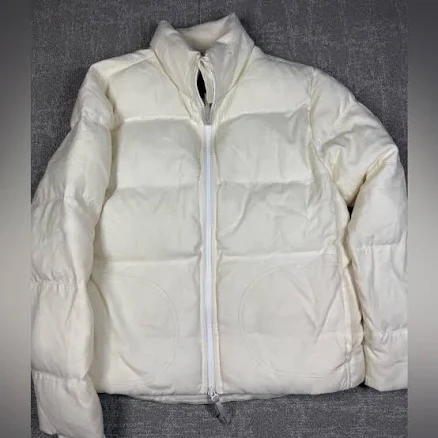
- Wool blend with synthetic fill (likely polyester)
- We found no PFAS statement from the brand
- water-repellent coating (water-repellent coating) coating composition
3 hazards checked on this product, all on its full breakdown.
Find an alternative on Amazon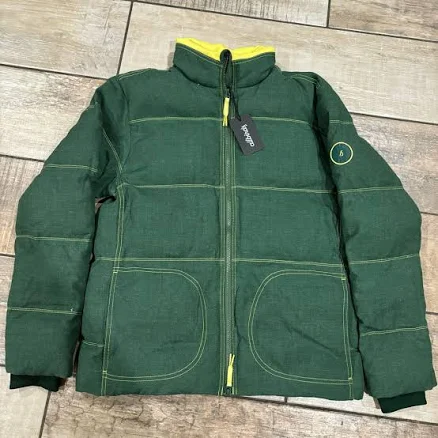
Allbirds
Jackets & Coats Allbirds Men's Trino Puffer Jacket Full Zip Wool Blend Forest Green Coat Size Sm
- wool blend (natural fiber dominant)
- We found no PFAS statement from the brand
- water-repellent coating (water-repellent coating) treatment - undisclosed chemistry
2 hazards checked on this product, all on its full breakdown.
Find an alternative on Amazon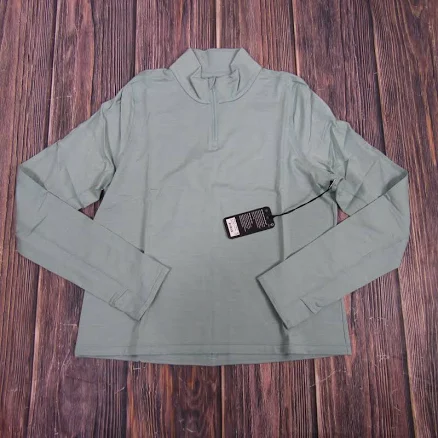
- Merino wool blend (natural fiber)
- We found no PFAS statement from the brand
- Azo dyes and synthetic dye residue
3 hazards checked on this product, all on its full breakdown.
Find an alternative on AmazonMore ski & snowboard jackets grades
How we score, every product runs through the same public 0-100 rubric based on materials, coatings, brand disclosure, lab findings, and recalls. See the full methodology → Spotted a mistake? Report an error.