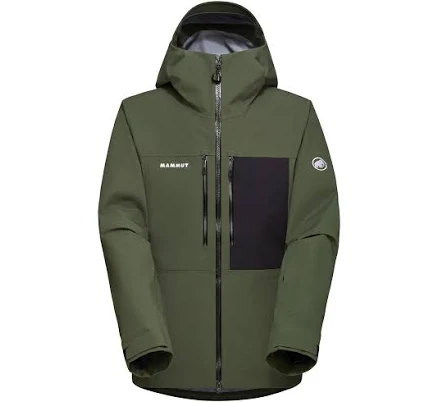
Mammut · Ski & Snowboard Jackets
Mammut Stoney HS Jacket Men's
Skip or contact brand for PFAS stance. Gore-Tex traditionally uses Teflon-type coating.
Stoney HS uses Gore-Tex laminate (Teflon-type coating-based) with polyester shell. Mammut makes no PFAS disclosure for this jacket.
Still want this one anyway? Check the price on Amazon. We’d swap it.
Material
Gore-Tex laminate (Teflon-type coating-based), polyester shell
Brand disclosure
Brand is silent on PFAS
Lab data
No public lab test
What Mammut Stoney HS Jacket Men's is made of, ingredients and materials
The Stoney HS uses a Gore-Tex laminate bonded to a polyester shell. Gore-Tex is a Teflon-type coating (polytetrafluoroethylene) film that creates waterproofing; the laminate construction means Teflon-type coating is sandwiched between fabric layers, reducing direct skin contact but not eliminating vapor inhalation risk during high-heat activities. The polyester shell itself is a synthetic polymer that may contain antimony (a catalyst used in polyester production) and is dyed with azo dyes, which can degrade under UV and sweat exposure over years of use.
What’s concerning
Category baseline
The starting point for this type of product, before anything specific to this product is counted.
No PFAS disclosure
No public statement from the brand about PFAS in this product.
Waterproof / stain-resistant treatment
Water-repellent coating treatments have historically used PFAS.
Teflon-type coating thermal degradation and fume inhalation
Gore-Tex laminate contains Teflon-type coating film. While normal skiing does not generate the high heat (260C+) needed for acute fume release, prolonged exposure to reflected solar heat on snow or hot tents could approach degradation thresholds. Risk is low in typical use but present if jacket is worn near heat sources or in extreme conditions.
Antimony in polyester shell
Polyester fabric typically contains residual antimony from manufacturing catalysts. Levels are generally within safety limits, but dermally sensitive individuals may react to direct prolonged contact. Antimony leaching increases slightly with sweat and UV degradation over the product lifetime.
Azo dye degradation and skin contact
Polyester shells are commonly dyed with azo dyes, which can break down under UV, sweat, and friction. Degradation products (amines) may irritate sensitive skin or cause allergic contact dermatitis, though reactions are rare. Risk is lowest in first 1-2 years and increases with age and sun exposure.
Laminate delamination and microplastic release
Gore-Tex laminates can degrade, peel, or separate from the shell over 5-10 years of heavy use, especially if washed in hot water or exposed to abrasion. Delamination does not inherently create microplastics but accelerates wear and may expose interior Teflon-type coating film, increasing fume inhalation risk if heated.
Unconfirmed water-repellent coating chemistry and fluorine persistence
Mammut has not disclosed whether the jacket's water-repellent coating treatment uses PFOA, PFOS, or other legacy PFAS, or if they have switched to fluorine-free alternatives. Industry data shows many Gore-Tex products still use fluorinated water-repellent coating; without brand confirmation, fluorine persistence in the environment and potential bioaccumulation cannot be ruled out.
The full breakdown
The brand's record and disclosure
Mammut has not made public commitments regarding PFAS phase-out or confirmation of their water-repellent coating (water-repellent coating) chemistry. The brand does not disclose whether they use PFOA-free or fluorine-free water-repellent coating systems on Gore-Tex products. No major recalls or safety controversies specific to Mammut outerwear are on public record, but the absence of transparency on PFAS and water-repellent coating formulation is a gap that should prompt direct contact with the company before purchase if PFAS exposure is a concern.
How it compares in its category
Most ski jackets in this price tier use Gore-Tex or similar Teflon-type coating-laminate technology, so this product is not an outlier in material chemistry. However, brands like Patagonia and Arc'teryx have begun publishing PFAS commitments and phasing to fluorine-free water-repellent coating; Mammut's silence puts it behind these peers in transparency. Non-laminate, woven-polyester jackets with mechanical water-repellent coating (no fluorine) exist but sacrifice some breathability; Gore-Tex remains the market standard for performance.
If you buy it
Avoid prolonged high-heat wear (saunas, steam rooms, intense sun reflection off snow) as Teflon-type coating can off-gas fumes above 260C, though normal ski use does not typically reach that threshold. Wash in cold water with mild detergent every 20-30 wears; avoid machine drying, which can stress the laminate. Do not iron or apply heat directly to the fabric. Check seam tape and laminate integrity annually; delamination or peeling signals end-of-life and should trigger replacement to prevent Teflon-type coating exposure from exposed laminate.
What we don’t know
- Basis
- Model estimate, 45% confidence, not a lab result
- Lab test
- None on record for this exact product
- Brand statement
- Mammut has made none
Formulations change between production runs, so check the current label. How we grade.
Better-graded alternatives in Ski & Snowboard Jackets
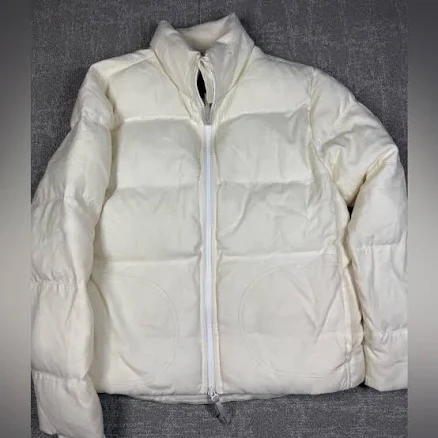
Allbirds
Jackets & Coats Allbirds Full Zip Wool Blend Puffer Jacket Women Size Small
- Wool blend with synthetic fill (likely polyester)
- We found no PFAS statement from the brand
- water-repellent coating (water-repellent coating) coating composition
3 hazards checked on this product. See all of them.
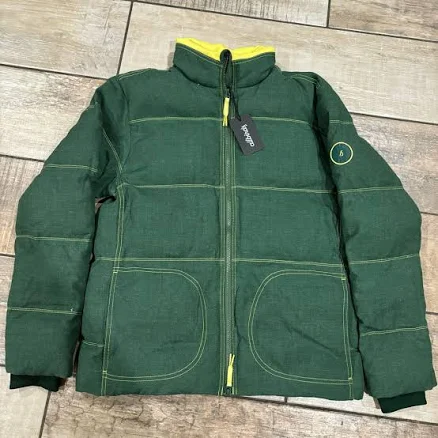
Allbirds
Jackets & Coats Allbirds Men's Trino Puffer Jacket Full Zip Wool Blend Forest Green Coat Size Sm
- wool blend (natural fiber dominant)
- We found no PFAS statement from the brand
- water-repellent coating (water-repellent coating) treatment - undisclosed chemistry
2 hazards checked on this product. See all of them.
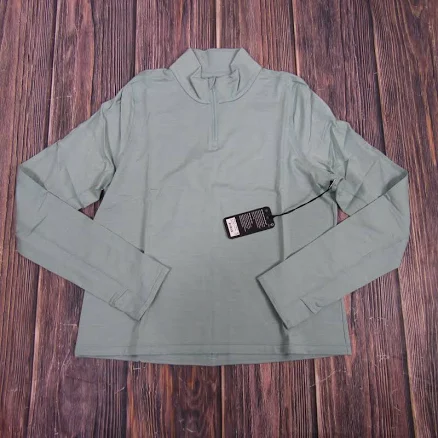
Allbirds
NWT Womens Medium Green Natural Run Mid Layer 1/4 Zip Jacket
- Merino wool blend (natural fiber)
- We found no PFAS statement from the brand
- Azo dyes and synthetic dye residue
3 hazards checked on this product. See all of them.
More ski & snowboard jackets grades
How we score, every product runs through the same public 0-100 rubric based on materials, coatings, brand disclosure, lab findings, and recalls. See the full methodology → Spotted a mistake? Report an error.