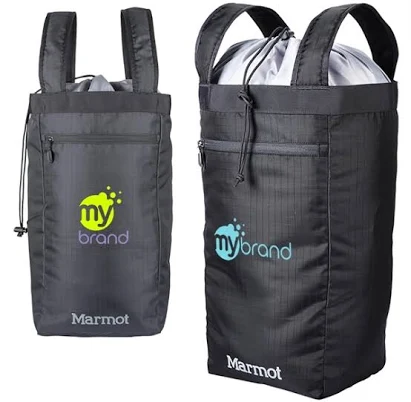
Marmot · Waterproof Outdoor Gear Storage Bags
Marmot Urban Hauler Backpack
Urban backpack with waterproof coating, water-repellent coating treatment source unknown.
Marmot won't disclose PFAS-related treatment details for this backpack. Water-repellent coatings on outdoor gear often contain PFAS, but the brand offers no confirmation either way.
Still want this one anyway? Check the price on Amazon. We’d swap it.
Material
Nylon/polyester with water-repellent coating water-resistant treatment
Lab data
No public lab test
You may also be interested in
Top-graded picks in the categories readers replace first, every one scored on the same rubric.

- polypropylene filter housing, carbon/sediment cartridge
- We found no PFAS statement from the brand
- Bacterial growth in spent cartridges
3 hazards checked on this product, all on its full breakdown.

Aquasure
Premier Series 75 GPD Under Sink Reverse Osmosis Water Filtration System
- RO membrane, carbon filters, stainless steel housing
- We found no PFAS statement from the brand
- Bacterial and microbial growth in housing and filters
4 hazards checked on this product, all on its full breakdown.

Avocado
Vegan Mattress
- organic cotton, natural latex, coconut coir, recycled steel coils
- The brand calls it PFAS-free, which we have not verified
- Heavy metals
2 hazards checked on this product, all on its full breakdown.
What Marmot Urban Hauler Backpack is made of, ingredients and materials
The Urban Hauler uses nylon and polyester fabrics treated with a water-repellent coating (water-repellent coating) finish to shed rain. water-repellent coating coatings are typically applied as surface treatments and do not leach significantly during normal use, but the specific chemistry (whether PFAS-based or fluorine-free) is not disclosed by Marmot. Nylon and polyester themselves are stable synthetics with low leaching risk under typical backpack conditions (no heat exposure, no prolonged food contact).
What’s concerning
No PFAS disclosure
No public statement from the brand about PFAS in this product.
Category baseline
The starting point for this type of product, before anything specific to this product is counted.
Waterproof / stain-resistant treatment
Water-repellent coating treatments have historically used PFAS.
PFAS
Water-repellent treatment source not disclosed; fluorinated water-repellent coating typically implies PFAS presence, but formulation unconfirmed for this product. Risk is primarily environmental (manufacturing/disposal) rather than direct skin contact during use.
Source, ATSDR ↗Microplastics
Synthetic nylon/polyester fabrics can shed microfibers during washing, particularly in abrasion zones (straps, seams). This is a general category risk, not specific to Marmot, but washing frequency and water temperature affect magnitude.
Source, EPA ↗What’s reassuring
Azo dyes in polyester
No specific azo dye contamination reported for Marmot backpacks. Standard polyester in outdoor gear is typically tested to OEKO-TEX or similar standards; no public recalls for this model.
Formaldehyde / VOCs
No documented formaldehyde-related issues or recalls for Marmot apparel or backpacks. Most outdoor brands comply with apparel safety limits, though Marmot does not publicly certify testing.
Source, ATSDR ↗Heavy metals
Metal buckles, zippers, and D-rings are not flagged in public safety records for Marmot products. Standard outdoor gear hardware is typically cadmium and lead-free, though not always independently verified.
Source, FDA ↗How is this PFAS grade calculated?
The brand's record and disclosure
Marmot does not publicly disclose water-repellent coating chemistry or PFAS sourcing for its gear on product labels or website statements reviewed in public records. The brand has not signed major textile sustainability pledges (such as the ROADMAP for Responsible Outdoor Apparel Durability or similar PFAS-phaseout commitments) as of available information. No recalls or documented safety incidents for this specific model are on public record.
How it compares in its category
Most outdoor backpacks in the mid-range segment use either fluorinated water-repellent coating (often PFAS-based) or fluorine-free alternatives, but transparency varies widely. Marmot's silence on water-repellent coating sourcing places it behind brands that explicitly certify PFAS-free treatments (e.g., some offerings from Patagonia or Arc'teryx). The nylon/polyester construction itself is standard and carries no elevated hazard versus competitors in the category.
If you buy it
Store in a cool, dry place away from direct heat and sunlight, which can degrade the water-repellent coating over time. Wash by hand or gentle machine cycle in cool water with mild detergent when needed; avoid fabric softeners and heat drying, which strip water repellency. Reapply water-repellent coating (fluorine-free versions are available) every 1-2 years if water beading diminishes. Do not dry clean or expose to high heat.
What is not known about PFAS in this product?
- Basis
- Model estimate, 45% confidence, not a lab result
- Lab test
- None on record for this exact product
- Brand statement
- Marmot has made a specific claim
Formulations change between production runs, so check the current label. How we grade.
What are the PFAS-free alternatives to Marmot Urban Hauler Backpack?
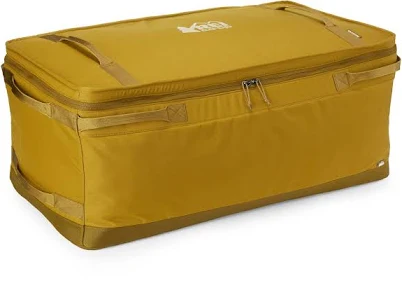
- Polypropylene storage bin, no water-resistant coating mentioned
- UV degradation and additive leaching
3 hazards checked on this product, all on its full breakdown.
Find an alternative on Amazon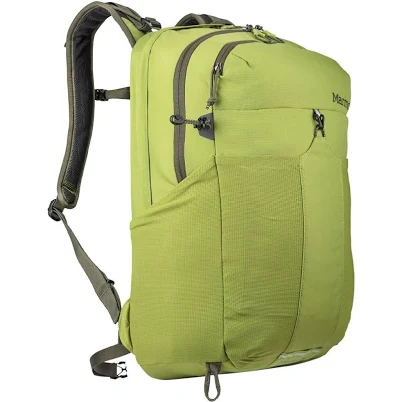
- Nylon, polyester, cotton blend; details unspecified
- Volatile organic compounds (VOCs) from polyester and nylon manufacturing
5 hazards checked on this product, all on its full breakdown.
Find an alternative on Amazon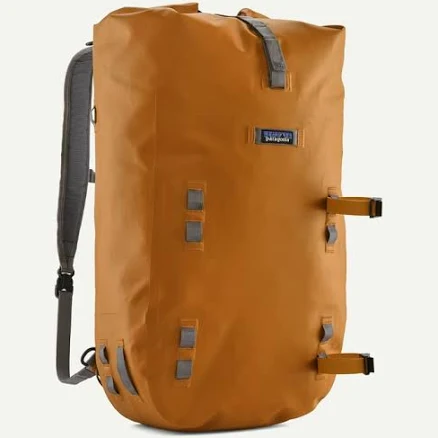
- Recycled polyester with water-repellent coating (water-repellent coating) finish
- The brand calls it PFAS-free, which we have not verified
- PFAS
4 hazards checked on this product, all on its full breakdown.
Find an alternative on AmazonMore waterproof outdoor gear storage bags grades
How we score, every product runs through the same public 0-100 rubric based on materials, coatings, brand disclosure, lab findings, and recalls. See the full methodology → Spotted a mistake? Report an error.