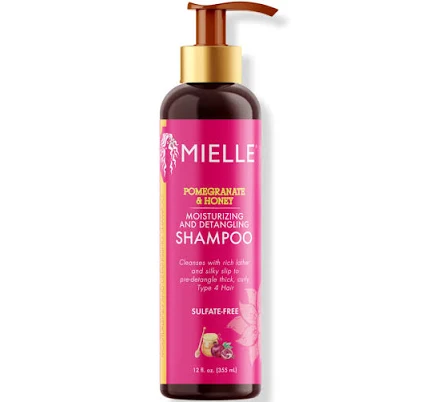
Mielle Pomegranate & Honey Moisturizing Detangling Shampoo
Lower PFAS risk, liquid shampoos lack typical PFAS applications, brand silent.
Mielle Organics doesn't disclose PFAS policies for this shampoo. Liquid rinse-off cosmetics like shampoos are lower-risk than waterproof or stain-resistant products.
We flunk more products than we pass. This one earned its grade. How we grade
Material
water-based shampoo formulation, organic plant extracts
Brand disclosure
Brand is silent on PFAS
Lab data
No public lab test
You may also be interested in
Top-graded picks in the categories readers replace first, every one scored on the same rubric.

- polypropylene filter housing, carbon/sediment cartridge
- We found no PFAS statement from the brand
- Bacterial growth in spent cartridges
3 hazards checked on this product, all on its full breakdown.

Aquasure
Premier Series 75 GPD Under Sink Reverse Osmosis Water Filtration System
- RO membrane, carbon filters, stainless steel housing
- We found no PFAS statement from the brand
- Bacterial and microbial growth in housing and filters
4 hazards checked on this product, all on its full breakdown.

Avocado
Vegan Mattress
- organic cotton, natural latex, coconut coir, recycled steel coils
- The brand calls it PFAS-free, which we have not verified
- Heavy metals
2 hazards checked on this product, all on its full breakdown.
What Mielle Pomegranate & Honey Shampoo is made of, ingredients and materials
Mielle Pomegranate & Honey is a water-based liquid shampoo formulated with plant extracts (pomegranate, honey) and surfactants. Liquid shampoos lack the ceramic-glaze and mineral-coating hazards of solid products, and plant-extract inclusion does not inherently create safety risks if preservatives and surfactants meet cosmetic regulations. The water-soluble matrix means no microplastic shedding or leaching from polymer coatings during use.
What’s concerning
Category baseline
The starting point for this type of product, before anything specific to this product is counted.
No PFAS disclosure
No public statement from the brand about PFAS in this product.
1,4-dioxane (solvent contaminant)
Liquid shampoos may contain trace 1,4-dioxane as a byproduct of ethoxylated surfactant manufacture. No recall or specific testing for this product is on record, but the hazard class applies to water-based personal care formulations generally.
Fragrance allergens and undisclosed components
The product lists 'fragrance' and plant extracts; fragrance compounds are not required to be individually named on cosmetic labels in the US. Pomegranate and honey extracts are low-risk, but fragrance blends can contain contact allergens or sensitizers in some consumer populations.
What’s reassuring
Base material not linked to PFAS
The main material recorded for this product is not one associated with PFAS.
Formaldehyde / VOCs
No specific test results or regulatory findings document formaldehyde-releasers in Mielle Pomegranate & Honey. Organic positioning suggests avoidance, but ingredient transparency is not publicly available to confirm.
Source, ATSDR ↗Heavy metals
Plant-based shampoos may accumulate trace metals from agricultural or processing sources. No recalls or contamination reports for Mielle products are established; botanical ingredients in this formulation are cosmetically safe-listed.
Source, FDA ↗Microplastic shedding
Liquid shampoo formulations do not shed microplastics during use. Solid bar shampoos or exfoliating products pose this risk; Mielle's liquid form avoids the hazard.
How is this PFAS grade calculated?
The brand's record and disclosure
Mielle Organics emphasizes organic and natural positioning but maintains silence on detailed ingredient safety or third-party testing disclosures. No major recalls or formulation controversies are on record for this product line. The brand does not voluntarily publish PFAS test results or heavy-metal screening data, which is typical of mid-tier personal care brands but limits transparency.
How it compares in its category
Liquid shampoos generally carry lower inherent hazard burden than bar soaps with colorants or solid care products with mineral fillers. Mielle's organic marketing aligns with consumer expectations for reduced synthetic fragrance allergens and formaldehyde-releasing preservatives, though 'organic' certification alone does not guarantee absence of irritants or sensitizers. Comparable brands (SheaMoisture, Carol's Daughter) operate under similar disclosure opacity.
If you buy it
Use as directed; no special storage or heat precautions apply to liquid shampoo. Discontinue if scalp irritation, rash, or eye irritation occurs, as plant extracts and fragrances can trigger sensitivities in susceptible individuals. Standard shelf life is 12-24 months unopened; discard if product separates, odor changes, or mold appears in the bottle. No maintenance or replacement triggers beyond normal depletion.
What is not known about PFAS in this product?
- Basis
- Model estimate, 75% confidence, not a lab result
- Lab test
- None on record for this exact product
- Brand statement
- Mielle Organics has made none
Formulations change between production runs, so check the current label. How we grade.
More shampoo grades
How we score, every product runs through the same public 0-100 rubric based on materials, coatings, brand disclosure, lab findings, and recalls. See the full methodology → Spotted a mistake? Report an error.