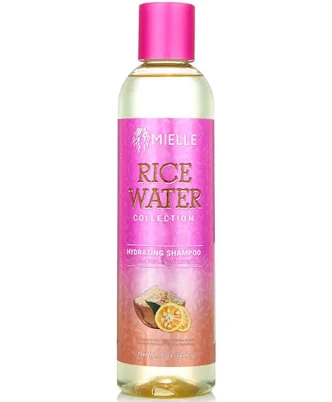
MIELLE Rice Water Hydrating Shampoo
Lower risk, no known PFAS triggers in a rinse-off liquid cosmetic.
This aqueous rinse-off product has no known PFAS-prone processing or ingredients such as waterproofing or Teflon-family coating coatings. Liquid cosmetics rarely contain intentional PFAS, though undisclosed raw material contaminants pose low residual risk.
We flunk more products than we pass. This one earned its grade. How we grade
Material
aqueous shampoo (water, botanical extracts, surfactants)
Brand disclosure
Brand is silent on PFAS
Lab data
No public lab test
You may also be interested in
Top-graded picks in the categories readers replace first, every one scored on the same rubric.

- polypropylene filter housing, carbon/sediment cartridge
- We found no PFAS statement from the brand
- Bacterial growth in spent cartridges
3 hazards checked on this product, all on its full breakdown.

Aquasure
Premier Series 75 GPD Under Sink Reverse Osmosis Water Filtration System
- RO membrane, carbon filters, stainless steel housing
- We found no PFAS statement from the brand
- Bacterial and microbial growth in housing and filters
4 hazards checked on this product, all on its full breakdown.

Avocado
Vegan Mattress
- organic cotton, natural latex, coconut coir, recycled steel coils
- The brand calls it PFAS-free, which we have not verified
- Heavy metals
2 hazards checked on this product, all on its full breakdown.
What MIELLE Rice Water Hydrating Shampoo is made of, ingredients and materials
Mielle Rice Water Hydrating Shampoo is an aqueous liquid formulation based on water, botanical extracts (rice water, honey, coconut oil derivatives), and anionic surfactants (cleansing agents). Because it is a rinse-off product applied briefly to hair and scalp before thorough water removal, dermal absorption and systemic exposure are minimal compared to leave-on products. The botanical components are not known to bioaccumulate or pose acute toxicity at use concentrations.
What’s concerning
Category baseline
The starting point for this type of product, before anything specific to this product is counted.
No PFAS disclosure
No public statement from the brand about PFAS in this product.
Fragrance allergens and sensitizers
Shampoos often contain fragrance blends (declared as 'fragrance' or 'parfum'); Mielle does not disclose specific fragrance components, so individual allergenic compounds (e.g., limonene, linalool) cannot be verified. Risk is low for most users but higher for those with scalp sensitivity or fragrance allergies.
Heavy metals
Botanical sourcing and heavy-metal testing protocols are not disclosed by Mielle. Rice, honey, and coconut are known to accumulate trace cadmium and lead from soil; without third-party verification of raw materials, residual levels cannot be assessed. Rinse-off exposure minimizes risk, but continued use warrants scrutiny if contaminants are present.
Source, FDA ↗Microbial contamination (growth during storage or after opening)
Liquid shampoos are aqueous formulations that can support bacterial or fungal growth if the seal is compromised or if contamination enters during use. Proper cap closure and dry storage reduce this risk; however, extended shelf life after opening (beyond 6-12 months) increases potential for undetected spoilage.
Surfactant-related scalp or eye irritation
Anionic surfactants in shampoos are inherently irritant to eyes and can cause mild scalp irritation in sensitive individuals, especially at high concentrations or prolonged contact. This is a standard category risk, not specific to Mielle, but users with sensitive skin should test on a small area first.
What’s reassuring
Base material not linked to PFAS
The main material recorded for this product is not one associated with PFAS.
Formaldehyde / VOCs
No formaldehyde-releasing preservatives (e.g., DMDM hydantoin, imidazolidinyl urea) are listed in available ingredient disclosures for this product. Standard preservatives in rinse-off shampoos (e.g., sodium benzoate, potassium sorbate) are generally recognized as safe at typical use levels.
Source, ATSDR ↗How is this PFAS grade calculated?
The brand's record and disclosure
Mielle Organics markets products as organic and natural but does not publish detailed ingredient sourcing, manufacturing transparency reports, or third-party certifications (e.g., USDA Organic, EWG Verified). No major safety recalls or regulatory actions against this product are documented in public records. The brand's stance on PFAS and synthetic dyes is not publicly disclosed, limiting independent verification of formulation claims.
How it compares in its category
Most mainstream shampoos carry similar or higher risk profiles due to synthetic fragrance blends, preservative systems, and opaque ingredient sourcing. Mielle positions itself in the 'natural' and 'clean beauty' segment, which typically means fewer synthetic azo dyes and lower likelihood of heavy-metal pigments, though this is a marketing claim rather than verified standard. Rinse-off shampoos in general pose lower systemic hazard than leave-on conditioners or styling products.
If you buy it
Use as directed, apply to damp hair, lather, rinse thoroughly with water within 1-2 minutes to minimize contact time. Store in a cool, dry place away from direct heat or sunlight to prevent premature degradation of botanical extracts and surfactant efficacy. If irritation (scalp rash, itching, or eye discomfort) occurs, rinse immediately and discontinue; seek dermatologist input if symptoms persist. Replace every 6-12 months depending on use frequency, as liquid formulations can support microbial growth if contaminated.
What is not known about PFAS in this product?
- Basis
- Model estimate, 78% confidence, not a lab result
- Lab test
- None on record for this exact product
- Brand statement
- Mielle Organics has made none
Formulations change between production runs, so check the current label. How we grade.
More shampoo grades
How we score, every product runs through the same public 0-100 rubric based on materials, coatings, brand disclosure, lab findings, and recalls. See the full methodology → Spotted a mistake? Report an error.