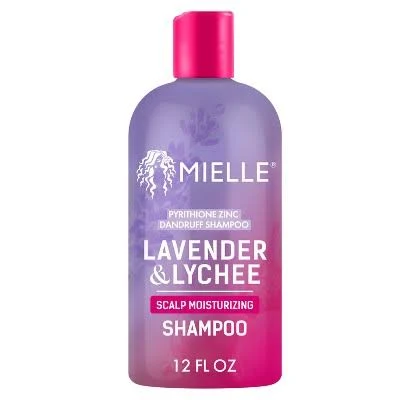
Mielle Scalp Moisturizing Shampoo Lavender & Lychee 12 fl oz
Lower risk, typical shampoo with no known PFAS application, brand uncommitted.
This liquid surfactant product needs no water-repellent coatings, stain resistance, or nonstick treatment where PFAS typically appears. The brand stays silent on PFAS but the formulation category poses minimal conventional risk.
We flunk more products than we pass. This one earned its grade. How we grade
Material
aqueous shampoo formulation (surfactants, water, botanical extracts)
Brand disclosure
Brand is silent on PFAS
Lab data
No public lab test
You may also be interested in
Top-graded picks in the categories readers replace first, every one scored on the same rubric.

- polypropylene filter housing, carbon/sediment cartridge
- We found no PFAS statement from the brand
- Bacterial growth in spent cartridges
3 hazards checked on this product, all on its full breakdown.

Aquasure
Premier Series 75 GPD Under Sink Reverse Osmosis Water Filtration System
- RO membrane, carbon filters, stainless steel housing
- We found no PFAS statement from the brand
- Bacterial and microbial growth in housing and filters
4 hazards checked on this product, all on its full breakdown.

Avocado
Vegan Mattress
- organic cotton, natural latex, coconut coir, recycled steel coils
- The brand calls it PFAS-free, which we have not verified
- Heavy metals
2 hazards checked on this product, all on its full breakdown.
What Mielle Scalp Moisturizing Shampoo fl is made of, ingredients and materials
Mielle Scalp Moisturizing Shampoo is a water-based surfactant formulation with botanical extracts (lavender, lychee) and humectants typical of modern shampoos. The aqueous base means no volatile organic compounds (VOCs) or formaldehyde off-gassing risk characteristic of leave-on treatments or sprays. Surfactants in shampoos are designed to rinse away completely, minimizing dermal absorption of individual ingredients during normal use.
What’s concerning
Category baseline
The starting point for this type of product, before anything specific to this product is counted.
No PFAS disclosure
No public statement from the brand about PFAS in this product.
Fragrance allergens and sensitizers
Lavender and lychee extracts plus undisclosed fragrance components may trigger contact dermatitis or scalp irritation in individuals with fragrance sensitivity, though incidence is not high in typical shampoo use.
1,4-dioxane (surfactant byproduct)
Ethoxylated surfactants used in shampoos can be contaminated with trace 1,4-dioxane during manufacturing. Mielle does not publicly disclose testing for this contaminant; rinse-off product design minimizes dermal exposure compared to leave-on products.
What’s reassuring
Base material not linked to PFAS
The main material recorded for this product is not one associated with PFAS.
Heavy metals
No recalls or test results on record for lead, cadmium, or arsenic in Mielle products. Botanical sources (lavender, lychee) are typically low-accumulation plants, but brand does not publish heavy metal testing data.
Source, FDA ↗Formaldehyde / VOCs
No evidence of methylisothiazolinone (MIT), DMDM hydantoin, or other formaldehyde-releasing preservatives in Mielle shampoos based on available ingredient lists; rinse-off format also reduces preservative burden.
Source, ATSDR ↗Microplastic beads or synthetic polymers
No microbeads or polyethylene microplastics reported in Mielle shampoo formulations; this brand does not use physical exfoliants in this product line.
How is this PFAS grade calculated?
The brand's record and disclosure
Mielle Organics markets products with organic and natural positioning but does not publish comprehensive ingredient safety testing or third-party certifications (e.g., EWG verification, NSF organic). The brand has no documented safety recalls or regulatory warnings on public record. Transparency on PFAS avoidance is absent, though no evidence suggests intentional PFAS use in rinse-off shampoos by this or peer brands.
How it compares in its category
This product sits in the mid-market natural/organic shampoo segment, comparable in safety profile to brands like SheaMoisture and Carol's Daughter. Rinse-off shampoos carry lower systemic exposure risk than leave-on conditioners or styling products because contact time is brief and washout is near-complete. Price and botanical marketing are its differentiators, not measurably higher or lower hazard than conventional sulfate-free alternatives.
If you buy it
Use as directed on damp hair and rinse thoroughly with water; no special precautions needed for typical scalp or hair application. For sensitive scalp, patch test on a small area first, as fragrances and botanical extracts occasionally trigger irritation in susceptible individuals. Store below 25°C (77°F) away from direct sunlight to preserve botanical stability. Replace when empty; opened shampoo typically maintains integrity for 12-18 months if kept sealed.
What is not known about PFAS in this product?
- Basis
- Model estimate, 78% confidence, not a lab result
- Lab test
- None on record for this exact product
- Brand statement
- Mielle Organics has made none
Formulations change between production runs, so check the current label. How we grade.
More shampoo grades
How we score, every product runs through the same public 0-100 rubric based on materials, coatings, brand disclosure, lab findings, and recalls. See the full methodology → Spotted a mistake? Report an error.