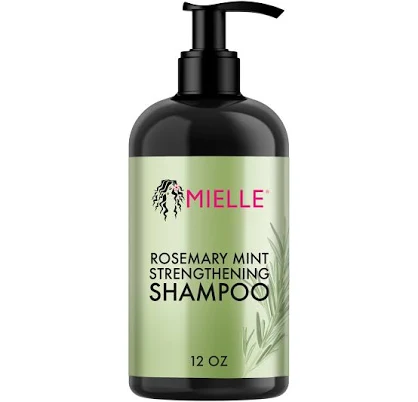
Rosemary Mint Strengthening Shampoo
Lower risk, typical cosmetic with no known risk factors.
Mielle Organics makes no PFAS disclosures for this shampoo. Liquid cosmetics without waterproofing or grease-resistance are not typical PFAS-application products and show no lab detection or regulatory concerns.
We flunk more products than we pass. This one earned its grade. How we grade
Material
aqueous shampoo solution (surfactants, water, plant extracts)
Brand disclosure
Brand is silent on PFAS
Lab data
No public lab test
You may also be interested in
Top-graded picks in the categories readers replace first, every one scored on the same rubric.

- polypropylene filter housing, carbon/sediment cartridge
- We found no PFAS statement from the brand
- Bacterial growth in spent cartridges
3 hazards checked on this product, all on its full breakdown.

Aquasure
Premier Series 75 GPD Under Sink Reverse Osmosis Water Filtration System
- RO membrane, carbon filters, stainless steel housing
- We found no PFAS statement from the brand
- Bacterial and microbial growth in housing and filters
4 hazards checked on this product, all on its full breakdown.

Avocado
Vegan Mattress
- organic cotton, natural latex, coconut coir, recycled steel coils
- The brand calls it PFAS-free, which we have not verified
- Heavy metals
2 hazards checked on this product, all on its full breakdown.
What Rosemary Mint Strengthening Shampoo is made of, ingredients and materials
Mielle Organics Rosemary Mint Strengthening Shampoo is an aqueous surfactant-based cleanser with plant extracts (rosemary, mint) and water as primary components. Aqueous shampoos present lower inherent chemical risk than solid or oil-based products because surfactants rinse away completely after use and don't accumulate on skin. The plant extracts are added for fragrance and purported strengthening benefits, not as preservative systems, so formaldehyde-releaser risk is low in this type of product.
What’s concerning
Category baseline
The starting point for this type of product, before anything specific to this product is counted.
No PFAS disclosure
No public statement from the brand about PFAS in this product.
Fragrance allergens (from rosemary, mint, and any added fragrance compounds)
Plant extracts and essential oils are common allergens; individuals with sensitive scalp or fragrance sensitivity may experience contact dermatitis. This product does not disclose whether fragrance components are single-source botanicals or synthetic equivalents, limiting allergen predictability.
1,4-dioxane (from ethoxylated surfactants)
If the shampoo uses polyethylene glycol (PEG) or polyethoxylated surfactants as foaming agents, trace 1,4-dioxane can form during manufacture or degradation. The ingredient list does not confirm or exclude these surfactant types; publicly available records do not indicate whether Mielle sources 1,4-dioxane-free surfactants.
What’s reassuring
Base material not linked to PFAS
The main material recorded for this product is not one associated with PFAS.
Heavy metals
No published test results for lead, cadmium, or arsenic in this product. Aqueous cosmetics sourced from uncontaminated water and agricultural inputs present low risk, but Mielle does not disclose supply-chain testing, so this cannot be ruled out entirely.
Source, FDA ↗Formaldehyde / VOCs
Aqueous shampoos require preservatives to prevent bacterial and fungal growth. If Mielle uses imidazolidinyl urea or DMDM hydantoin (common in cosmetics), trace formaldehyde release is possible, but full ingredient disclosure is not available to confirm or rule this out.
Source, ATSDR ↗Microplastics
No visible use of polypropylene or polyethylene beads reported in this product line. Shampoos are primarily liquid; risk is low unless exfoliating beads are present, which this formulation does not appear to contain based on product description.
Source, EPA ↗How is this PFAS grade calculated?
The brand's record and disclosure
Mielle Organics markets itself as a natural and organic brand targeting textured hair care; the company does not publicly disclose full third-party testing or heavy-metal screening results for individual products. The brand holds no visible certifications from USDA Organic, EWG Verified, or similar bodies. No product recalls, contamination incidents, or regulatory actions on record for this line. The brand's PFAS stance is absent from public statements, typical of cosmetic companies that do not voluntarily communicate on PFAS management.
How it compares in its category
This shampoo sits in the mid-market premium segment; it is positioned above mass-market drugstore brands (which often use cheaper surfactants and synthetic dyes) but below ultra-luxury salon brands that may disclose heavy-metal testing. Comparable natural shampoo brands vary widely in transparency; some (e.g., Acure, SheaMoisture) publish ingredient sourcing, while others (including most indie brands) do not. Aqueous shampoos as a category pose lower hazard than concentrated conditioners or styling sprays that may contain higher residue levels.
If you buy it
Use as directed on damp hair; rinse thoroughly to remove all residue, as incomplete rinsing can leave surfactants on the scalp and potentially trigger irritation in sensitive individuals. Store in a cool, dry place away from direct sunlight to preserve plant extract integrity and prevent microbial growth in the bottle. Replace when product separates, smells off, or shows visible mold or discoloration. No heat exposure hazard exists because shampoo is rinsed before any heat styling.
What is not known about PFAS in this product?
- Basis
- Model estimate, 78% confidence, not a lab result
- Lab test
- None on record for this exact product
- Brand statement
- Mielle Organics has made none
Formulations change between production runs, so check the current label. How we grade.
More shampoo grades
How we score, every product runs through the same public 0-100 rubric based on materials, coatings, brand disclosure, lab findings, and recalls. See the full methodology → Spotted a mistake? Report an error.