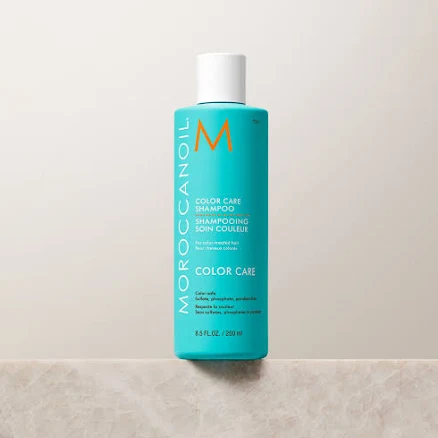
Moroccanoil Color Care Shampoo
Low-medium concern; liquid shampoo poses no known PFAS risk but brand remains silent.
This liquid shampoo contains no disclosed PFAS-prone ingredients and needs no water repellency or nonstick treatments. Moroccanoil makes no public PFAS commitment, limiting transparency on this topic.
We flunk more products than we pass. This one earned its grade. How we grade
Material
aqueous shampoo base with argan oil
Brand disclosure
Brand is silent on PFAS
Lab data
No public lab test
You may also be interested in
Top-graded picks in the categories readers replace first, every one scored on the same rubric.

- polypropylene filter housing, carbon/sediment cartridge
- We found no PFAS statement from the brand
- Bacterial growth in spent cartridges
3 hazards checked on this product, all on its full breakdown.

Aquasure
Premier Series 75 GPD Under Sink Reverse Osmosis Water Filtration System
- RO membrane, carbon filters, stainless steel housing
- We found no PFAS statement from the brand
- Bacterial and microbial growth in housing and filters
4 hazards checked on this product, all on its full breakdown.

Avocado
Vegan Mattress
- organic cotton, natural latex, coconut coir, recycled steel coils
- The brand calls it PFAS-free, which we have not verified
- Heavy metals
2 hazards checked on this product, all on its full breakdown.
What Moroccanoil Color Care Shampoo is made of, ingredients and materials
Moroccanoil Color Care Shampoo is a water-based formulation designed to cleanse while protecting color-treated hair, with argan oil as a conditioning agent. The product contains typical shampoo surfactants, preservatives, and fragrance compounds in an aqueous matrix. Unlike leave-on products or high-heat appliances, shampoos are rinsed immediately after brief contact with skin and scalp, minimizing dermal absorption of any potentially harmful ingredients. The argan oil component itself is a natural botanical extract with no established safety concerns in cosmetic formulations.
What’s concerning
Category baseline
The starting point for this type of product, before anything specific to this product is counted.
No PFAS disclosure
No public statement from the brand about PFAS in this product.
Fragrance allergens and sensitizers
Moroccanoil Color Care lists 'fragrance' as an ingredient without full disclosure of specific aroma chemicals. Some individuals with sensitive scalps may react to undisclosed fragrance components; reactions are typically mild (localized itching or redness) and reversible upon discontinuation.
Preservative contact dermatitis
Aqueous shampoo formulations require preservatives to prevent microbial growth. While no specific preservative has been flagged as problematic in this product, any shampoo can occasionally trigger scalp sensitivity in susceptible individuals. Risk is low because the product is rinsed immediately.
What’s reassuring
Base material not linked to PFAS
The main material recorded for this product is not one associated with PFAS.
1,4-dioxane (secondary contaminant)
Some surfactants used in shampoos can carry trace 1,4-dioxane as a manufacturing byproduct. Moroccanoil has not disclosed testing for this contaminant, and no recalls or alerts have been issued for this product line. Exposure from rinsed shampoo is minimal compared to leave-on cosmetics.
Heavy metals
Color-care shampoos may contain iron oxides, mica, or other mineral pigments for visual appeal or marketing. No testing data or regulatory action on this product indicates the presence of lead, cadmium, or arsenic. The aqueous formulation and brief skin contact further reduce absorption risk.
Source, FDA ↗Microplastic microbeads
Moroccanoil Color Care Shampoo does not advertise the presence of physical scrubbing beads. Most modern shampoos have phased out microplastics; no evidence suggests this product contains them.
How is this PFAS grade calculated?
The brand's record and disclosure
Moroccanoil has not published a formal PFAS or « forever chemicals » disclosure policy, which is typical for most mainstream personal care brands outside the premium/clean-beauty segment. The brand has no major product recalls or regulatory actions on record for this shampoo line. Moroccanoil does list ingredients on product packaging and online, allowing consumers to cross-reference against known irritants or allergens. The company is not certified by third-party bodies like EWG or NSF, but certification is not universal in mass-market hair care.
How it compares in its category
This shampoo sits in the mainstream premium segment, positioned between drugstore brands (lower price, simpler formulas) and salon-exclusive or clean-beauty lines (higher transparency, fewer synthetic ingredients). Color-care shampoos across brands typically use similar surfactant and preservative chemistry; Moroccanoil's inclusion of argan oil is common in this category and does not meaningfully differentiate safety. The product does not use silicones or heavy film-formers that require harsh stripping shampoos downstream, which reduces cumulative chemical exposure over time.
If you buy it
Use as directed, wet hair, apply a small amount, lather briefly (15-30 seconds), and rinse thoroughly with water. No special storage or maintenance is required beyond keeping the bottle sealed and out of direct sunlight. For color-treated hair, alternate with a gentle sulfate-free conditioner if your hair becomes dry. Discontinue use only if scalp irritation or allergic reaction occurs (redness, itching, flaking); this would indicate sensitivity to fragrance or preservatives rather than a systemic safety failure.
What is not known about PFAS in this product?
- Basis
- Model estimate, 72% confidence, not a lab result
- Lab test
- None on record for this exact product
- Brand statement
- Moroccanoil has made none
Formulations change between production runs, so check the current label. How we grade.
More shampoo grades
How we score, every product runs through the same public 0-100 rubric based on materials, coatings, brand disclosure, lab findings, and recalls. See the full methodology → Spotted a mistake? Report an error.